
Commercial Roof Warranty Management
Capability
20-year NDL commercial roof warranties are worth what the documentation behind them is worth. We manage the inspection cadence, maintenance records, and manufacturer communication that keeps Orlando commercial roof warranties enforceable through the full term.
A 20-year no-dollar-limit manufacturer warranty is one of the most significant asset protections available to a commercial building owner in Central Florida. In a market where hurricane damage, persistent UV degradation, and drainage failures produce roof failures that can cost $500,000 or more on a mid-size building, an active and enforceable warranty is real financial protection — not a marketing line.
The problem is that most commercial roof warranties in the Orlando metro lapse quietly. The original contractor installs the roof, closes out the warranty, and moves to the next project. The owner has a warranty certificate in a filing cabinet. Two years later, no one has done the manufacturer-required annual maintenance inspection. Four years later, someone repaired a flashing with incompatible sealant. Six years later, the building gets a new facilities manager who does not know a warranty exists. At year eight, when there is real damage, the manufacturer's field rep finds enough technical violations to deny the claim.
What Active Warranty Management Covers
Repair documentation is the second critical element. When repairs are needed — a flashing separation, a seam that lifted at a corner, a drain that is running slow and backing up water onto the membrane — the repair has to be made with materials and methods the manufacturer has approved, performed by a warranted contractor, and documented in a format the manufacturer accepts. An owner who calls whoever is cheapest when a leak appears and uses a generic sealant on a TPO flashing has just voided the warranty on that penetration. Over time, enough of these informal repairs accumulate and the manufacturer has technical grounds to disclaim coverage on the system.
Ponding water is a specific warranty risk in the Orlando climate. With 54 inches of annual rainfall and a concentrated rainy season, any drain that is running slow will accumulate standing water after the afternoon convective storms that hit the I-4 corridor from June through October. Most manufacturer warranties void coverage on membrane in contact with water held more than 48 hours. I inspect drain performance on every annual walk and recommend cleaning or repair before the rainy season begins — this is the single highest-value maintenance action for Orlando commercial roofs.
Warranty Transfer and Property Sale
Commercial building sales in the Orlando market — particularly the hotel transactions on International Drive and the Lake Nona Medical City-adjacent office and medical buildings that have traded heavily in the past five years — frequently involve transferring a manufacturer warranty from the selling owner to the buyer. Most manufacturers allow warranty transfer with notice and a transfer fee, but require that the warranty is in compliance at the time of transfer. A warranty that has missed annual inspections or has undocumented repairs may require a manufacturer inspection and remediation before the transfer is approved.
I coordinate warranty transfers for buildings I manage and for buildings where a new owner inherits a warranty they want to verify and activate. The process involves pulling the original warranty documentation, confirming current compliance status with the manufacturer, arranging a transfer inspection if required, and delivering the updated warranty documentation to the new owner's asset management team.
For buyers doing due diligence on Orlando commercial buildings with existing roofing systems, I provide warranty status assessments — whether the warranty is active, whether it has been maintained, whether any conditions on the roof are likely to generate a compliance finding at transfer inspection, and what remediation would be needed to bring the warranty to transferable status.
Multi-Property Warranty Portfolios
Owners with multiple Central Florida commercial properties — the hotel groups that operate chains of properties across Orange and Osceola counties, the healthcare systems that manage dozens of medical office and clinical buildings, the REIT portfolios that own blocks of retail and office in the South Orange and Maitland corridors — need warranty tracking at portfolio scale, not building by building.
I maintain a warranty register for multi-property clients that tracks each building's warranty term, manufacturer, required inspection cadence, last inspection date, documented deficiencies, and upcoming action items. The register is reviewed quarterly and every inspection and repair is posted against the relevant property record. At any point, the asset manager can see which properties are in active warranty compliance, which are approaching inspection due dates, and which have outstanding items that need resolution before the next manufacturer contact.
What happens if a warranty claim is denied?
If a claim is denied, I request the denial in writing and review the technical grounds. Most denials cite maintenance non-compliance or use of non-approved repair materials — which is why the documentation discipline matters. If the denial is based on an incorrect factual finding, I prepare a documented response to the manufacturer's warranty desk with the inspection records and repair documentation that rebuts the finding. If the denial is valid, I document the scope of damage and what it would cost to restore warranty compliance, so the owner can make a capital decision with accurate information.
How do you handle warranties on roofs you did not install?
Frequently. Many buildings I manage have warranties from installations I did not perform. I request the original warranty documentation and close-out package from the owner or previous contractor, review the terms with the manufacturer's warranty desk to confirm active status, perform a condition assessment to identify any compliance gaps, and then bring the maintenance program current from that point forward. The gap between the original installation and when I came on is documented in the warranty file with a note about when active management began.
Do you manage warranties for roofs still under the original installation contractor's maintenance program?
If the original installer is maintaining the warranty, I generally recommend keeping that program in place unless there is a documented performance problem. Changing warranty managers mid-term creates a documentation gap the manufacturer may scrutinize at claim time. Where there is a good reason to change — the original contractor has gone out of business, there is documented neglect, or the owner wants consolidated management across a portfolio — I coordinate the transition with the manufacturer to ensure continuity of coverage.
What documentation do you deliver at the end of each warranty year?
Annual warranty file: inspection report with photos keyed to the zone diagram, drain performance notes, identified deficiencies with priority classification, repair records for any work performed during the year, manufacturer communication log, and an upcoming action summary for the next 12 months. This file is the asset manager's reference for budget planning and the evidence base if a warranty claim arises.
Want to know if your Orlando commercial roof warranty is actually active?
We will pull the warranty documentation, confirm compliance status with the manufacturer, and tell you exactly what inspection and maintenance work is needed to keep it enforceable.
Keep comparing the scope.

Commercial Roof Bid Coordination in
Structured competitive bid coordination for Orlando commercial roof projects — bid-package preparation, contractor qualification, scope leveling, and...
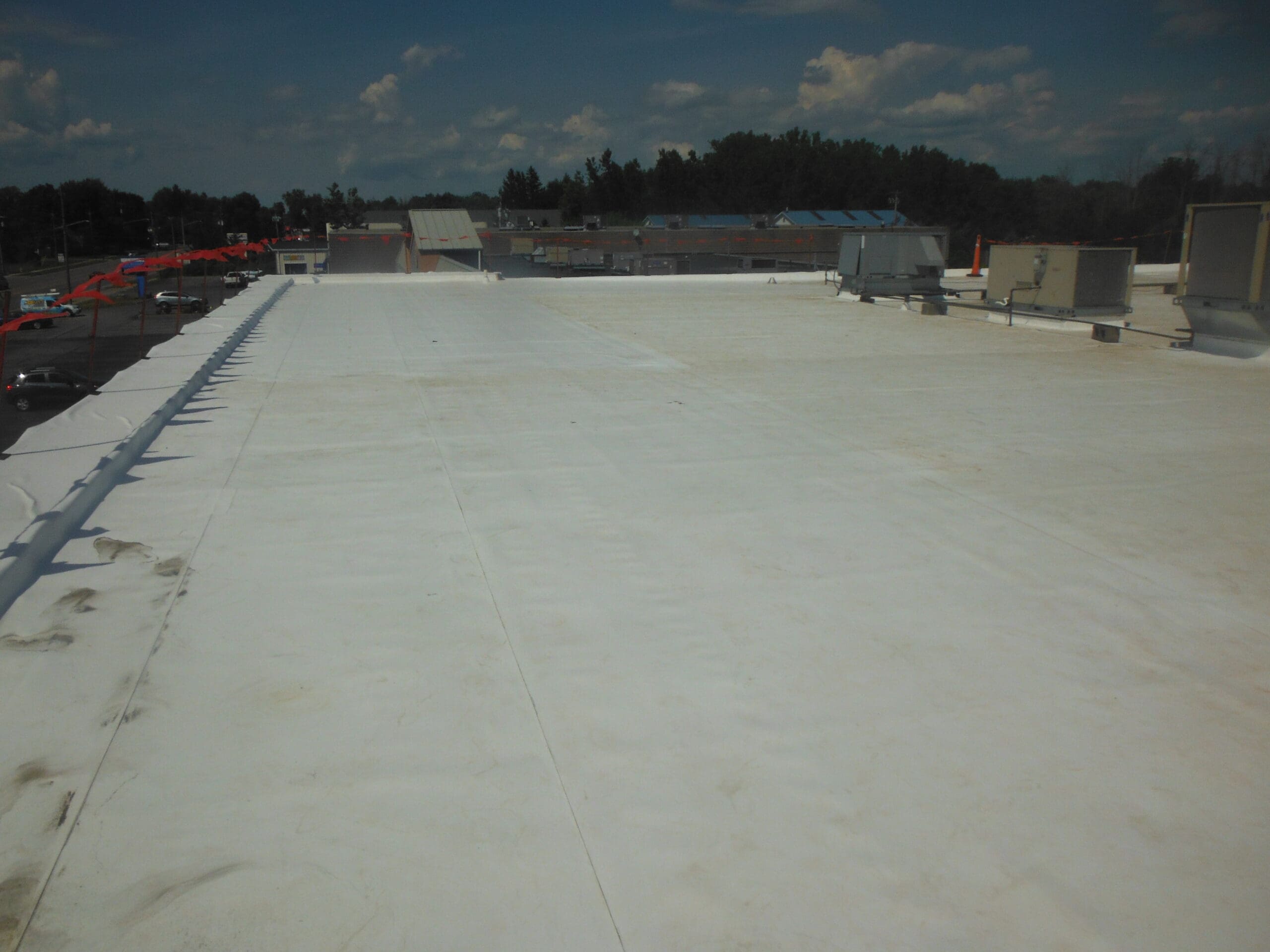
Commercial Roof Inspections
Documented commercial roof inspections for Orlando-area buildings — condition reports, drain assessment, FBC compliance status, and photo logs keyed...
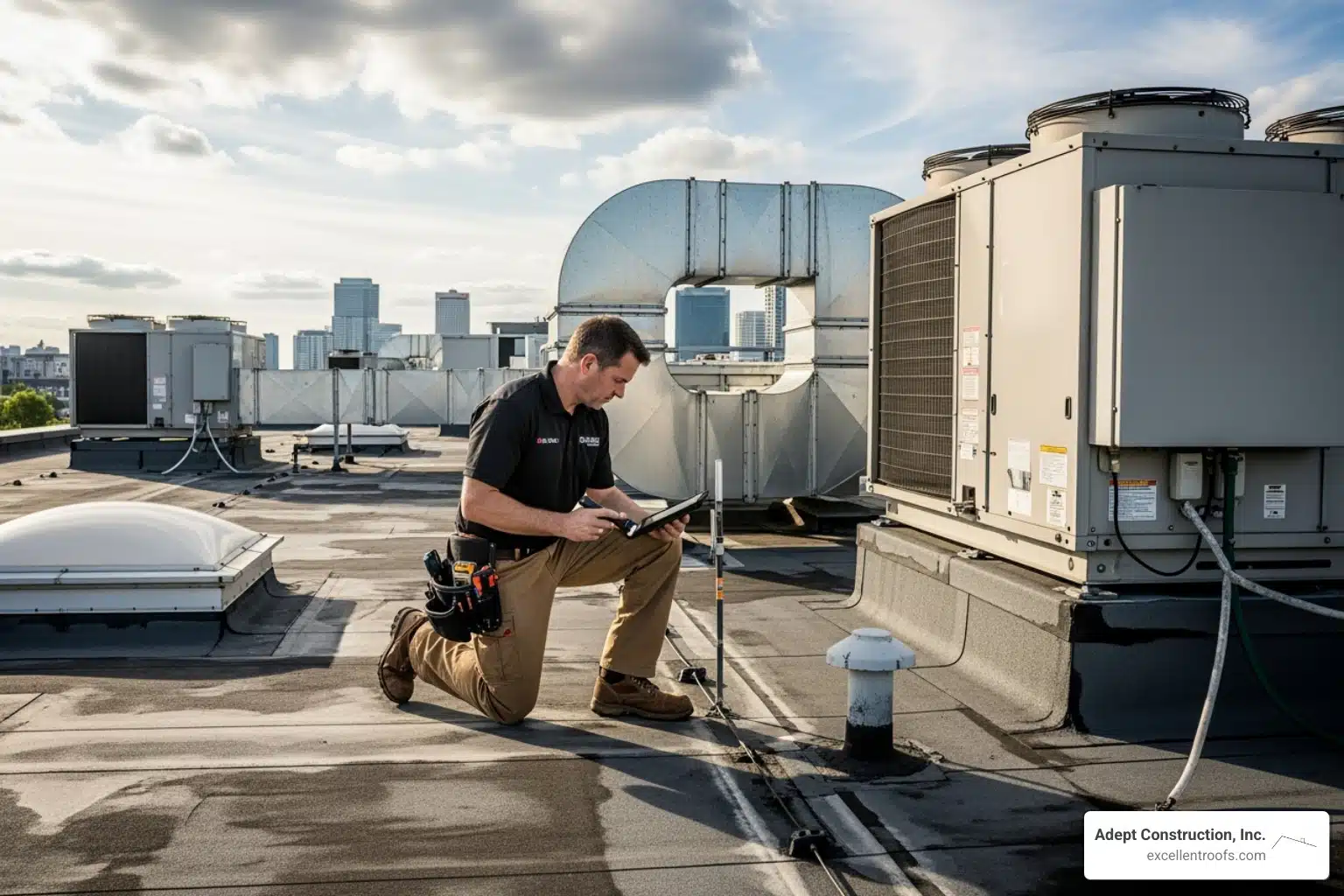
Commercial Roof Life-Cycle Cost Analysis
Life-cycle cost analysis for Orlando commercial roof decisions — total cost of ownership modeling for replacement, recover, and coating options...