
Church and Religious Building Roofing Orlando, FL
Property Type
Orlando's religious building stock ranges from historic downtown congregations built in the early 1900s to modern megachurch campuses like Northland Church in Longwood. Each presents a different structural system, a different roof type, and a different ownership and capital decision process.
Religious buildings present roof challenges that are architecturally distinctive and organizationally unique. On the architectural side, historic downtown churches — First Baptist of Orlando, First United Methodist, St. James Cathedral on North Orange Avenue — were built with traditional pitched roofing, parapet walls, and steeple elements that require different trades and different materials than the flat-roof commercial buildings that make up most of our work. On the organizational side, religious building roof decisions run through boards of trustees or deacon boards rather than a single owner, with budget approval cycles and capital stewardship obligations that differ from commercial ownership.
The megachurch campuses that have developed in the outer Orlando metro represent the other end of the spectrum. Northland Church in Longwood — one of the largest congregations in Florida — occupies a purpose-built campus with significant flat-roof area on its main auditorium, education wings, and support buildings. These buildings are commercial-class construction with TPO and EPDM systems that present the same inspection and replacement questions as a large office or retail building — but with a board approval process and a seasonal programming calendar that affects project scheduling.
Roof scope notes
Orlando's hurricane exposure affects every religious building in the metro regardless of size or age. Historic churches with parapet walls and ornamental roofline elements are particularly vulnerable to hurricane-force wind uplift at the parapet-to-roof transition. Megachurch flat roofs with large perimeter zones require FBC-compliant perimeter fastening that many older installations do not have. We document these conditions in every inspection.
Historic Downtown Churches
The historic churches on and around North Orange Avenue, Church Street, and the blocks between Lake Eola and the CBD — First Baptist of Orlando, First United Methodist, St. James Cathedral, First Presbyterian — were built between the 1880s and the 1940s. Their roofing systems include slate, clay tile, standing seam metal, and built-up roofing on flat sections, all of it installed over wood framing systems that are now 80 to 120 years old. The flat-roof sections on fellowship halls and education additions to these buildings are the segments most likely to be in active reroof cycles.
Historic building roof work in Orlando requires sensitivity to the building's historical character and, for buildings on the National Register of Historic Places or within designated historic districts, compliance with the Secretary of the Interior's Standards for the Treatment of Historic Properties. We do not represent historic preservation review — but we understand when a scope requires it and we coordinate with the congregation's facilities team and the applicable preservation authority before specifying any material that changes the historic roofline character.
Water intrusion on historic church buildings carries a higher consequence than on modern commercial construction because the interior finishes — plaster ceilings, wood pews, pipe organ components, historical artifacts — are irreplaceable. An active leak on a historic church building is a document-and-act-fast situation, not a wait-for-the-budget situation. We treat emergency inspection requests from historic church buildings as priority calls.
Northland Church and Megachurch Campus Roofing
Northland Church in Longwood — at its peak one of the largest churches in America with a congregation exceeding 15,000 — occupies a purpose-built campus on SR 434. The main auditorium, education wings, and support buildings represent a combined flat-roof footprint that rivals a large commercial building in square footage. The campus has gone through ownership transition in recent years, and the new leadership has been working through a deferred maintenance backlog that includes roof systems on multiple campus buildings.
Megachurch campuses of this scale have roof systems that are managed like commercial institutional real estate — TPO and EPDM systems with manufacturer warranty terms that require documented maintenance to stay in force. The programming calendar drives project scheduling: Sunday services and midweek programming windows define the days and hours when construction noise and crane traffic are unacceptable. We build production schedules around the worship calendar, not around construction-crew convenience.
Growing megachurches that have expanded their campuses through multiple construction phases often have roof systems of different ages and types across the campus — original 1990s modified bitumen on the main building, TPO added in 2005 on the education wing, a newer EPDM system on the most recent addition. Campus-wide roof assessment is the right starting point to understand the capital picture across all buildings and sequence the replacement decisions in an order that makes sense for the congregation's stewardship priorities.
Mid-Size and Smaller Congregation Roofing
The thousands of mid-size and smaller churches across Orange, Seminole, Osceola, and Lake counties occupy a wide range of building types — purpose-built sanctuaries, converted commercial and retail space, converted industrial buildings, and modified residential structures adapted for worship use. The roofing systems on these buildings are as varied as the buildings themselves.
The capital planning conversation with a smaller congregation's trustees is often the most consequential part of a roof engagement. Congregations with limited capital reserves need to understand not just the cost of immediate repair but the cost of doing nothing — how quickly the deferred condition will advance, what the interior damage exposure is, and what a planned replacement in two years costs versus an emergency replacement next spring. I document this in writing because the trustees who authorize the scope often are not the same people who attended the inspection.
We work with smaller congregations on scope prioritization — identifying the sections of a roof that need immediate attention versus the sections that can be deferred safely for another season — so that limited capital can be directed to the highest-consequence conditions first. A full replacement that a congregation cannot afford now does not have to mean ignoring the roof entirely. Targeted repair of the highest-risk sections, documented and phased, is a legitimate capital strategy for congregations in a budget constraint.
Can you work around Sunday services and midweek programming at a church campus?
Yes. Every religious building project schedule is tailored to the congregation's worship and programming calendar. We confirm the weekly programming schedule with the facilities manager before building the production calendar. Crane operations, mechanical fastening, and other high-noise activities are scheduled for days and windows the congregation clears.
Do you work on historic church buildings in Downtown Orlando?
Yes. Flat-roof sections on historic church fellowship halls and education additions are standard commercial roofing scope. For buildings with historic designation, we identify early whether the proposed scope requires review by the State Historic Preservation Office or a local historic preservation board, and we coordinate with the congregation's team before specifying any material that affects the historic roofline character.
How do you help a smaller congregation prioritize roof repairs with a limited budget?
We inspect and document the full roof condition, then produce a prioritized deficiency report that ranks conditions by consequence — active leaks and high-risk perimeter failures first, surface wear and minor conditions last. The report includes a cost band for each condition so the board can allocate limited capital to the highest-consequence items and build a multi-year plan for the rest.
What is the maintenance requirement to keep a megachurch campus roof warranty in force?
Manufacturer warranty-compliance maintenance requirements vary by manufacturer but typically require an inspection and documented repair of identified deficiencies on a semi-annual or annual cycle. We provide the inspection report in a format that satisfies the manufacturer's documentation requirement and track the warranty compliance dates for every building on a campus maintenance contract.
Keep comparing the scope.
Airport Terminal & Aviation Facility Roofing
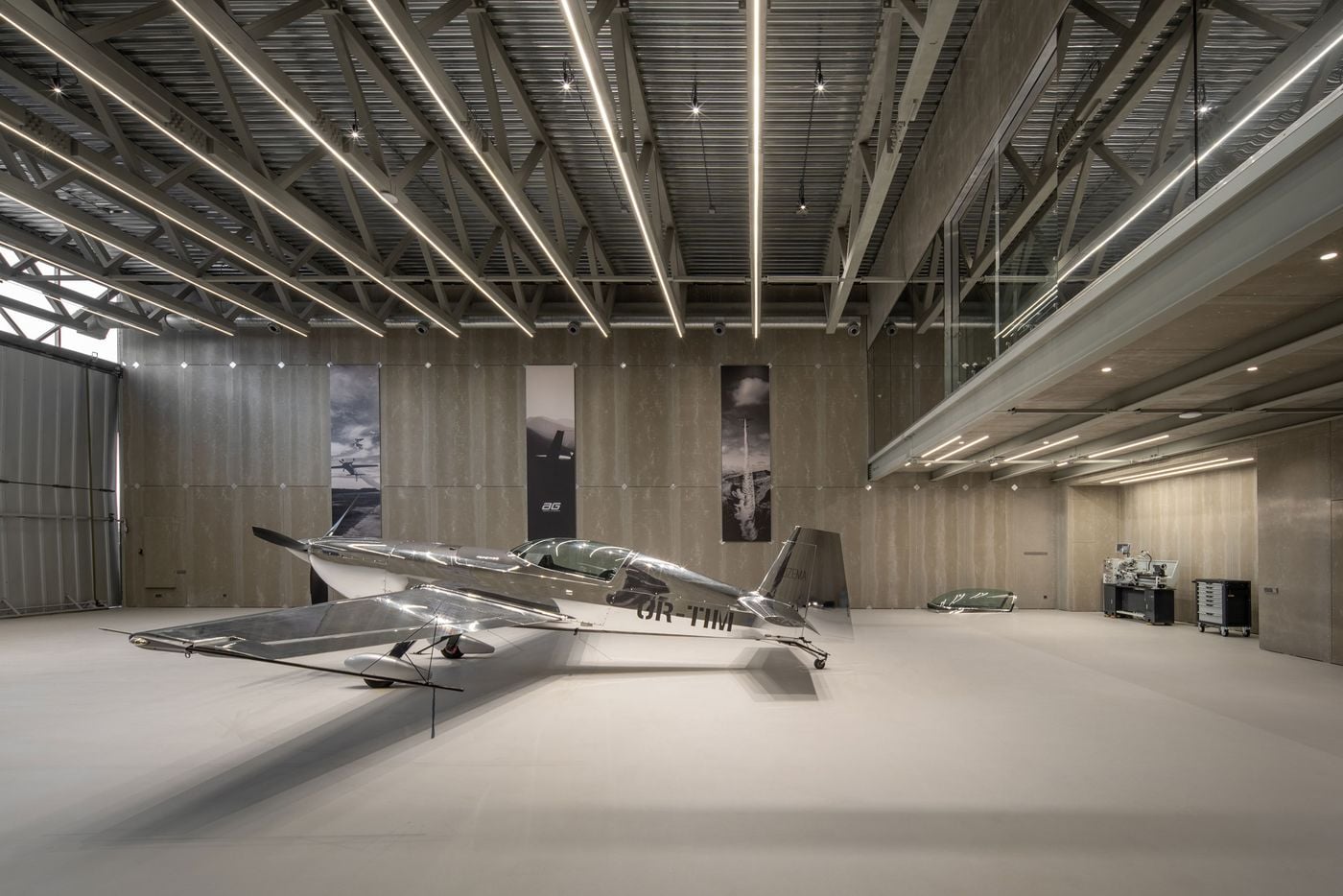
Airport terminal and aviation facility roofing in Orlando, FL — Orlando International Airport and surrounding general aviation and cargo facilities.
Automotive Manufacturing Facility Roofing
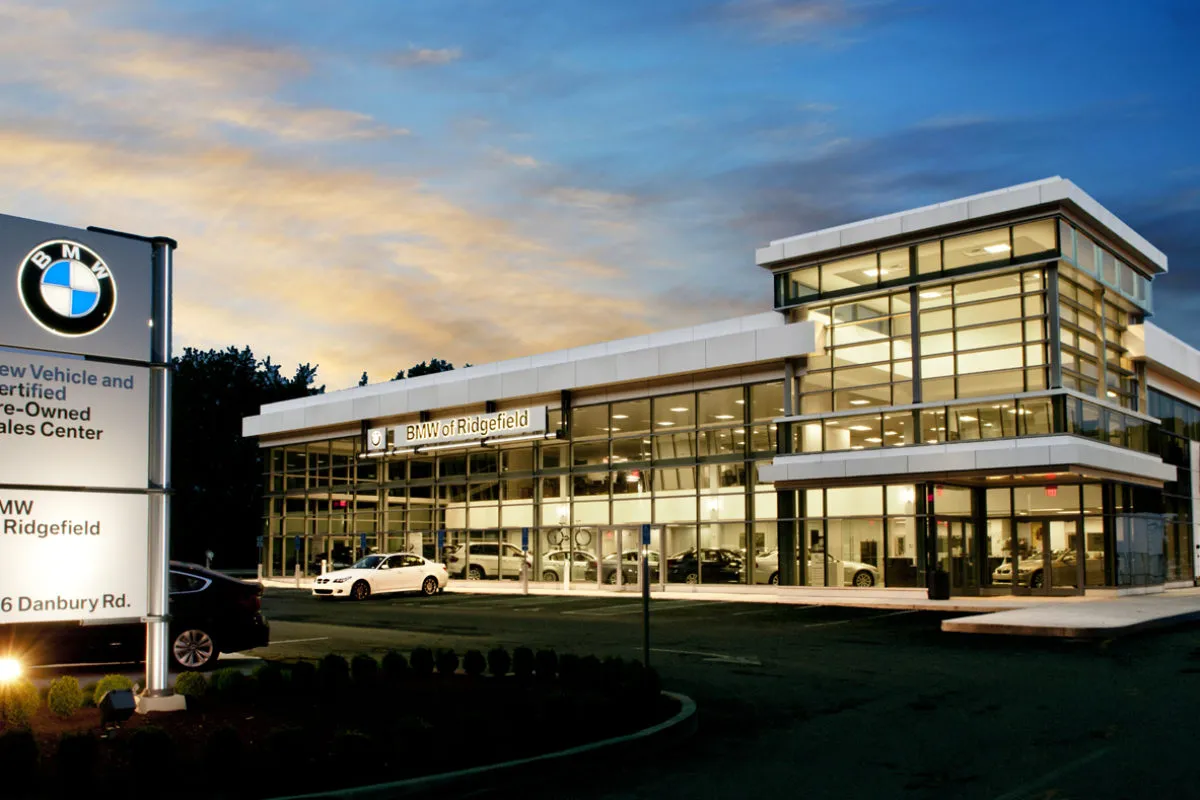
Automotive Manufacturing Facility Roofing in Orlando, FL — commercial roofing for automotive manufacturing facility roofing properties.
Bank & Financial Building Roofing
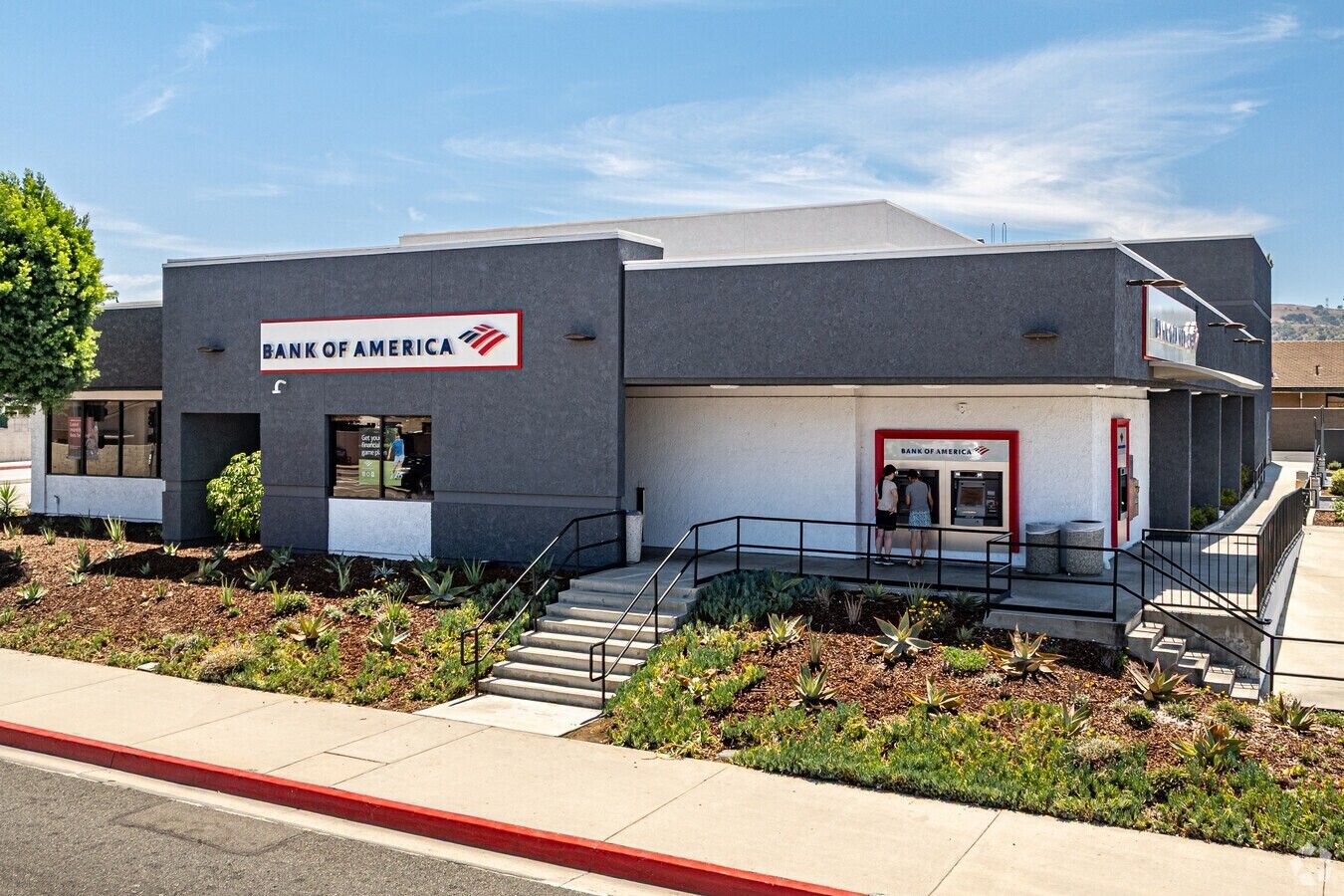
Bank and financial building roofing in Orlando, FL. Small high-visibility flat roofs, drive-through canopy detailing, and security-coordinated...