
Built-Up Roof Systems (BUR)
Roof System
Orlando's downtown office towers and mid-century commercial buildings carry original built-up roofing from the 1970s through the 1990s. Most of this stock is in active repair or replacement cycles — we assess, repair, and replace BUR systems across the Central Florida commercial market.
Built-up roofing (BUR) — multiple layers of reinforced bitumen felts mopped together in alternating layers of hot asphalt with a flood coat and gravel surface finish — was the dominant commercial flat-roof system in Central Florida from the post-war era through the early 1990s. The mid-rise office buildings around Lake Eola, the government buildings along Orange Avenue, the original retail centers in Winter Park and Maitland, and the light industrial buildings along the Florida Turnpike and I-4 corridors from the 1970s and 1980s were largely built with BUR.
That generation of BUR is now 30-50 years old. Some of it has been recovered with modified bitumen or single-ply membranes; some of it has received episodic repairs that kept it functional through the 1990s and 2000s; some of it — particularly on government-owned buildings and mid-century owner-occupied commercial — is still the original installation sitting on decades of repair patches. We work on all of it.
Roof scope notes
Orlando's sandy subsoil and karst geology have stressed the original BUR flashing details on many of these buildings over five decades. Parapet walls that have settled even a quarter-inch put tension on the counterflashing that an original BUR flashing system was not designed to absorb. We document flashing conditions during every BUR assessment and include flashing repair or upgrade in the scope regardless of whether the membrane decision is repair or replace.
Assessing Orlando's Aging BUR Stock
A BUR assessment starts with a roof walk to document visible conditions: blisters, ridging, open seams, failed flashings, drain conditions, and evidence of prior repairs. Then moisture cores — five to ten at representative locations, and more near any wet-evidence area. In Orlando's 54-inch annual rainfall environment, BUR systems on buildings without properly maintained drainage accumulate interply moisture for years before interior leaks develop. Core results determine whether the insulation is dry enough to recover or wet enough to tear off.
Gravel-surfaced BUR adds complexity to condition assessment because the gravel obscures membrane condition until you pull it back. We push gravel aside at sample points to assess the flood coat and underlying felts. Gravel ballast that has migrated to drains — common on older BUR buildings that have never had the drains cleaned — indicates a deferred maintenance history that often correlates with insulation saturation.
Downtown Orlando's mid-rise office buildings in the Lake Eola and Government District neighborhoods typically have roof access through mechanical penthouses. We document mechanical equipment conditions, curb flashing conditions, and penetration conditions on every BUR walk — because equipment curb flashings on 30-year-old BUR installations are among the most frequent active leak sources on this building type.
Transition from BUR to Single-Ply on Orlando Commercial Buildings
The most common scope on buildings with original BUR in the Orlando market is a transition to TPO or EPDM — full tear-off of the BUR system including insulation, new insulation stack designed to FBC Energy R-value requirements, and installation of the new single-ply system with FBC-compliant wind-uplift attachment.
The capital cost of the transition from BUR to single-ply is higher than a recover — demo and disposal of the old BUR system is a significant line item, and the insulation replacement adds material cost. The case for it versus recover is simple: a 20-year NDL warranty requires a new insulation stack on a sound deck. A recover over 40-year-old BUR with questionable insulation moisture history does not produce a warranted system. For buildings with active capital planning horizons of 15+ years, the transition is the right investment.
We sequence BUR-to-single-ply transitions to maintain continuous building dry-in during production — tear off in sections, install temporary dry-in at end of each day, move to the next section. In Orlando's June-October rainy season, this means daily afternoon storm monitoring and production planning. We do not leave a Downtown Orlando office building's interior exposed overnight during active rainy season.
Is it worth repairing a 40-year-old BUR system in Orlando?
For isolated failure points on an otherwise sound system, repair extends life meaningfully. For a system with widespread interply moisture, multiple failed areas, and degraded felts throughout, repair is spending money to delay a replacement that is coming regardless. Moisture cores give us the data to make an honest recommendation — we pull them before advising on repair vs. replace.
Can you coat a BUR system to extend its life?
Yes, on a BUR system with dry insulation, sound felts, and intact flood coat. An elastomeric coating adds UV protection and can add 5-10 years of service life to a BUR system that is not yet at the end of its structural life. The coating does not work over wet insulation or failed felts — it seals moisture in rather than keeping it out. We assess the system before recommending any coating application.
Do you do BUR repairs on government buildings in Orlando?
Yes. Government-owned buildings in the City of Orlando and Orange County have the same FBC requirements as private commercial buildings. We are familiar with the procurement and documentation requirements for government building maintenance, including the scope-of-work documentation, insurance certificate requirements, and inspection coordination with government facilities staff.
Orlando building on original BUR — what does it actually need?
Our project managers will pull moisture cores, document visible conditions, and produce a written assessment — repair scope, recover scope, or replacement scope — with capital cost band and FBC compliance documentation.
Keep comparing the scope.
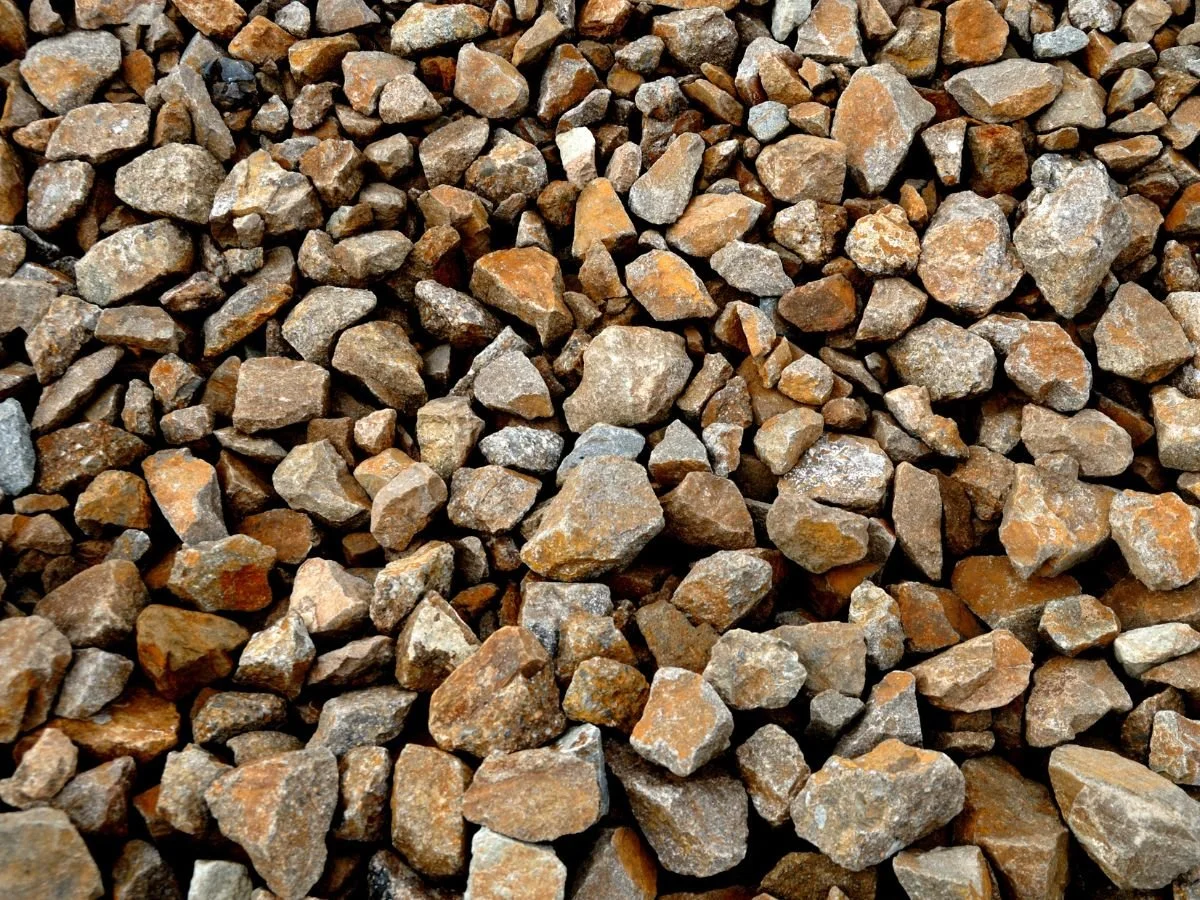
Ballasted Roof Systems
Ballasted roof systems for Orlando commercial buildings — loose-laid membrane with river-rock ballast, structural load assessment, FBC...
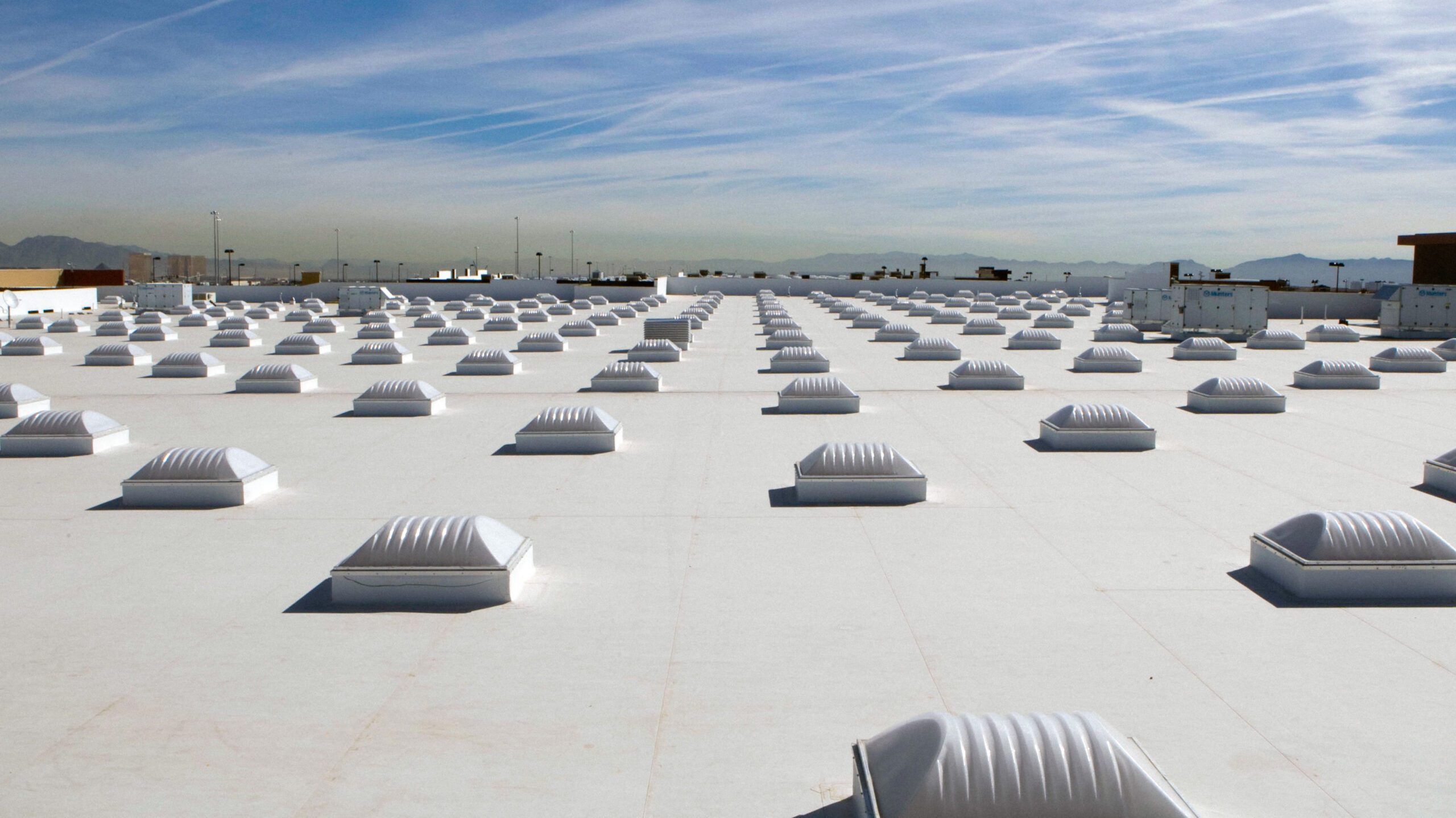
Cool Roof Systems in Orlando, FL | Florida Energy Code Compliance
Cool roof systems for Orlando commercial buildings — reflective membranes and coatings that meet Florida Building Code Energy requirements, reduce...
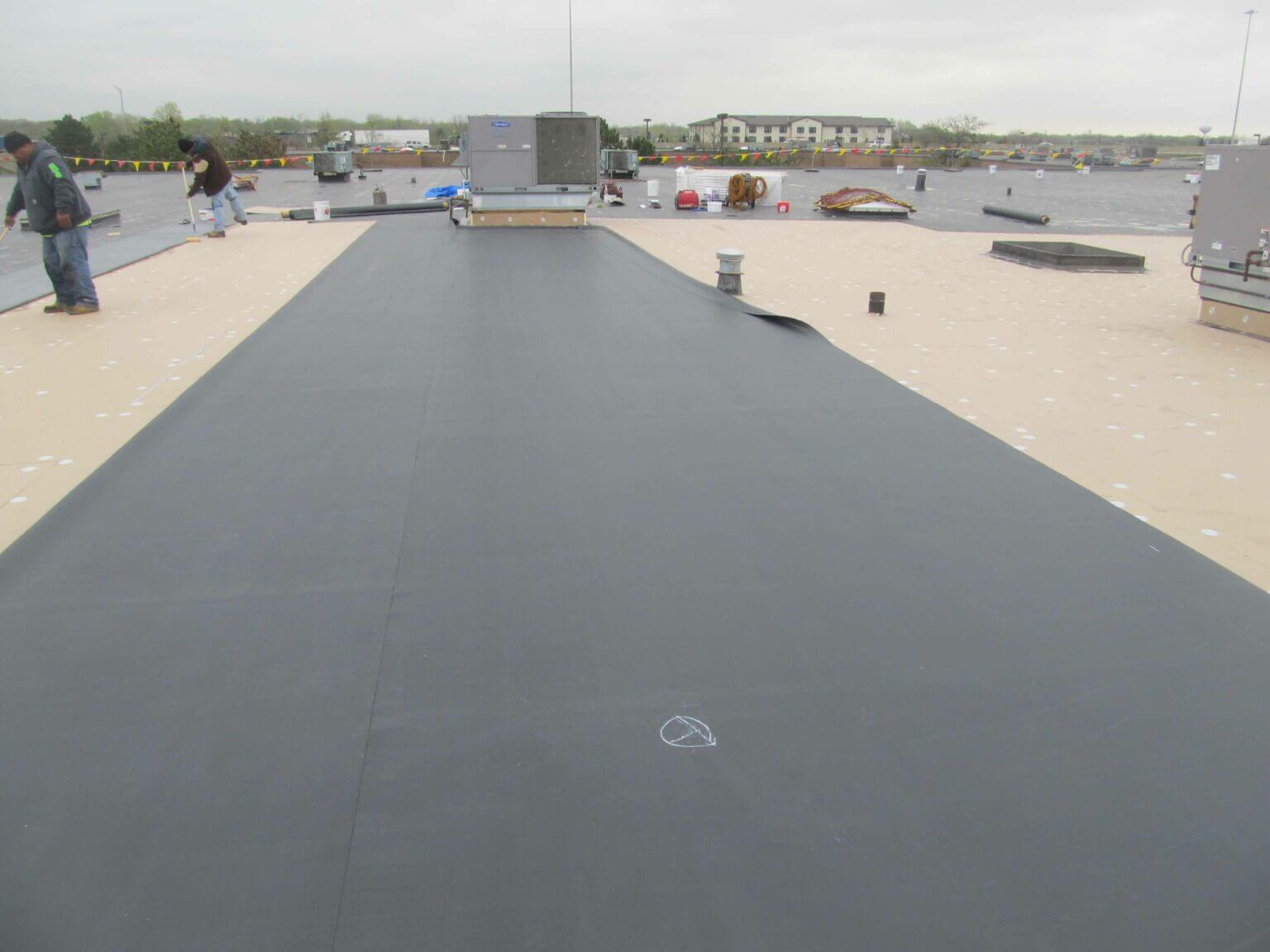
EPDM Roof Systems
EPDM rubber roofing systems for Orlando commercial and industrial buildings — 60-mil and 90-mil fully adhered and mechanically attached installation...