
Cool Roof Systems in Orlando, FL | Florida Energy Code Compliance
Roof System
Florida Building Code Energy requires reflective roofing on many commercial building types. In Orlando's climate, a cool roof is not optional compliance box-checking — it is a meaningful cooling-load reduction in a market where rooftop surface temperatures hit 170°F in July.
A cool roof is defined by its solar reflectance and thermal emittance performance — how much solar radiation the surface reflects and how efficiently it re-emits absorbed heat. Florida Building Code Energy (based on IECC with Florida-specific amendments) requires minimum cool-roof performance metrics for many commercial building types and roof configurations in the Central Florida climate zone. For new construction and for replacement work that triggers FBC Energy compliance, specifying to these minimums is required, not optional.
But the value of a cool roof in Orlando goes beyond code compliance. A commercial flat roof in Central Florida with a dark or degraded surface can reach 170-180°F on a July afternoon. That surface temperature drives heat into the building's top-floor conditioned space and increases cooling system load — in a market where commercial electricity rates run $0.08-0.12 per kWh and cooling is the dominant energy cost for most commercial buildings, the energy cost penalty of a non-reflective roof is real and persistent across the membrane's service life.
Roof scope notes
Orlando's theme-park-adjacent commercial market has an additional cool-roof incentive: many of the large resort-area hospitality properties in the Universal and Disney corridors are on utility demand-reduction programs with Duke Energy and OUC that offer incentive payments for qualifying cool-roof installations. We document the solar reflectance and thermal emittance values at closeout in the format those utility programs require.
Florida Building Code Energy Requirements for Cool Roofs
Florida Building Code Energy, Chapter 5 (Commercial), sets minimum solar reflectance and thermal emittance for low-slope roofs in Climate Zone 2 (all of Central Florida). The current code requires a minimum aged solar reflectance of 0.55 and aged thermal emittance of 0.75, or a minimum Solar Reflectance Index (SRI) of 64 for low-slope roofs where the requirement applies. White TPO typically achieves initial SRI values of 100-107 and aged SRI values well above the 64 minimum.
Not every commercial building type or roof replacement triggers the cool-roof energy code requirement — the FBC Energy provisions set thresholds for roof area percentage replaced and building occupancy type. We determine the applicability of cool-roof requirements to each project during the pre-design phase and document the determination in the permit package. Buildings where cool-roof requirements do not technically apply still benefit from reflective membranes in Florida's solar environment, and we recommend reflective surfaces on all replacement work.
Insulation R-value requirements under Florida Building Code Energy are separate from the cool-roof surface requirements and must be satisfied independently. The minimum R-value for low-slope commercial roofs in Climate Zone 2 is R-25 continuous insulation or R-20 continuous plus thermal bridging corrections. We design insulation stacks to
Cool Roof Performance and Energy Savings in Orlando
The energy savings from a cool roof in Orlando are concentrated in the cooling season — May through October — when solar radiation on the roof is at its peak and cooling system demand is highest. Studies of cool-roof performance in Florida climate zones consistently show 10-20% reductions in rooftop heat gain and 5-15% reductions in top-floor cooling energy use compared to dark surfaces in the same building. For a large single-story commercial building in Orange County with high internal heat loads, the annual energy cost savings can offset a meaningful portion of the membrane premium over a dark-surface alternative.
OUC (Orlando Utilities Commission) and Duke Energy Florida both have commercial energy efficiency programs that have historically included incentives for cool-roof installations meeting specific reflectance thresholds. We document Solar Reflectance Index values at closeout using the manufacturer's certified test data, which is the documentation format these programs typically require. We do not administer utility incentive programs — the building owner or their energy consultant applies — but we provide the closeout documentation that makes the application possible.
Does every commercial roof replacement in Orlando require a cool roof?
Not automatically. Florida Building Code Energy cool-roof requirements apply to new construction and to replacement work that exceeds the code's defined threshold for what triggers the energy compliance requirement. We assess the applicability of cool-roof requirements to each project during pre-design and document the determination. In practice, we recommend reflective surfaces on all Orlando commercial work regardless of technical requirement — the energy cost and roof surface temperature benefits are real.
What is the Solar Reflectance Index and how is it measured?
Solar Reflectance Index (SRI) is a metric that combines solar reflectance and thermal emittance into a single number. An SRI of 100 represents a perfectly reflective and emissive surface; 0 represents a perfectly absorptive surface. White TPO typically achieves initial SRI of 100-107. SRI is measured by manufacturers using ASTM test methods and certified by third-party testing organizations. We document the manufacturer's certified SRI values for the specified membrane at project closeout.
Do cool roofs reduce hurricane wind damage risk?
Cool-roof membrane type (white vs. dark) does not affect wind-uplift performance — that is determined by attachment method and fastener pattern. However, the reflective surface of a cool roof does reduce the thermal cycling stress on the membrane and its adhesive bonds, which improves long-term performance of seams and flashings. The primary hurricane protection is FBC-compliant attachment design, which we provide on all installations regardless of membrane color.
Can a cool-roof coating be applied to an existing dark membrane?
Yes. White elastomeric coatings, including silicone, can be applied over existing dark TPO, modified bitumen, or EPDM membranes to convert them to cool-roof performance. The coating must be applied over a structurally sound, dry substrate. We assess the existing membrane before recommending a coating application — a membrane with active leaks or saturated insulation needs those issues resolved before coating.
Cool-roof compliance for an Orlando commercial building?
Our project managers will assess the building's FBC Energy compliance requirements, specify the correct membrane or coating system, and provide SRI documentation and permit package at closeout.
Keep comparing the scope.
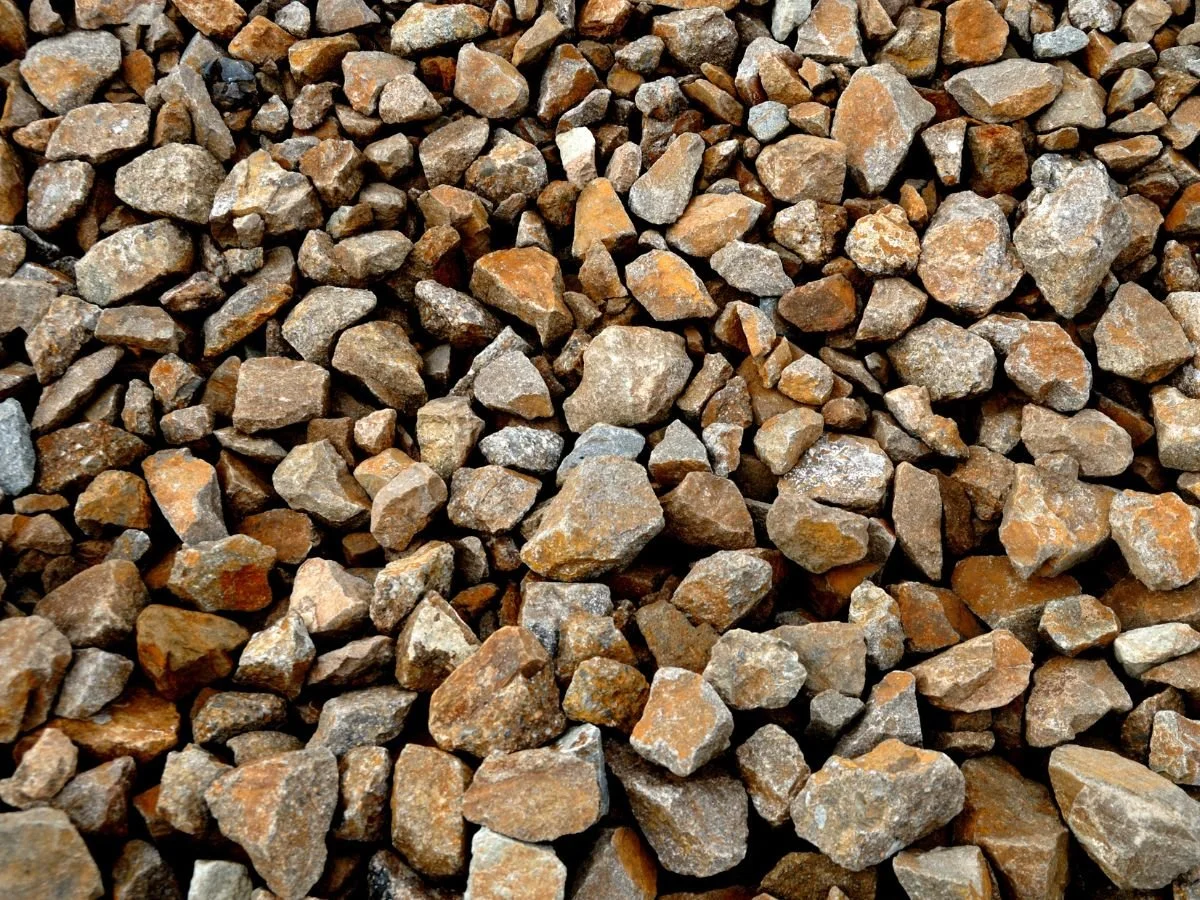
Ballasted Roof Systems
Ballasted roof systems for Orlando commercial buildings — loose-laid membrane with river-rock ballast, structural load assessment, FBC...
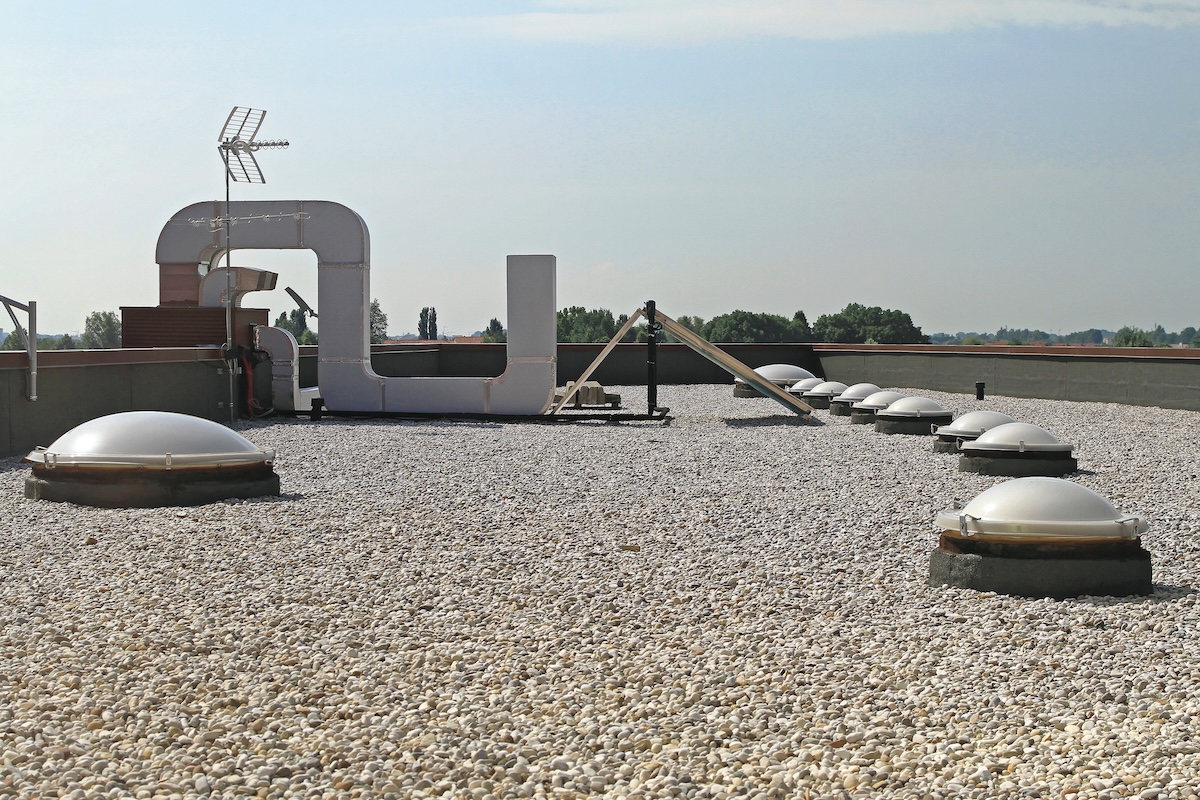
Built-Up Roof Systems (BUR)
Built-up roofing assessment, repair, and replacement for Orlando commercial buildings with original BUR systems — gravel-surfaced and smooth BUR on...
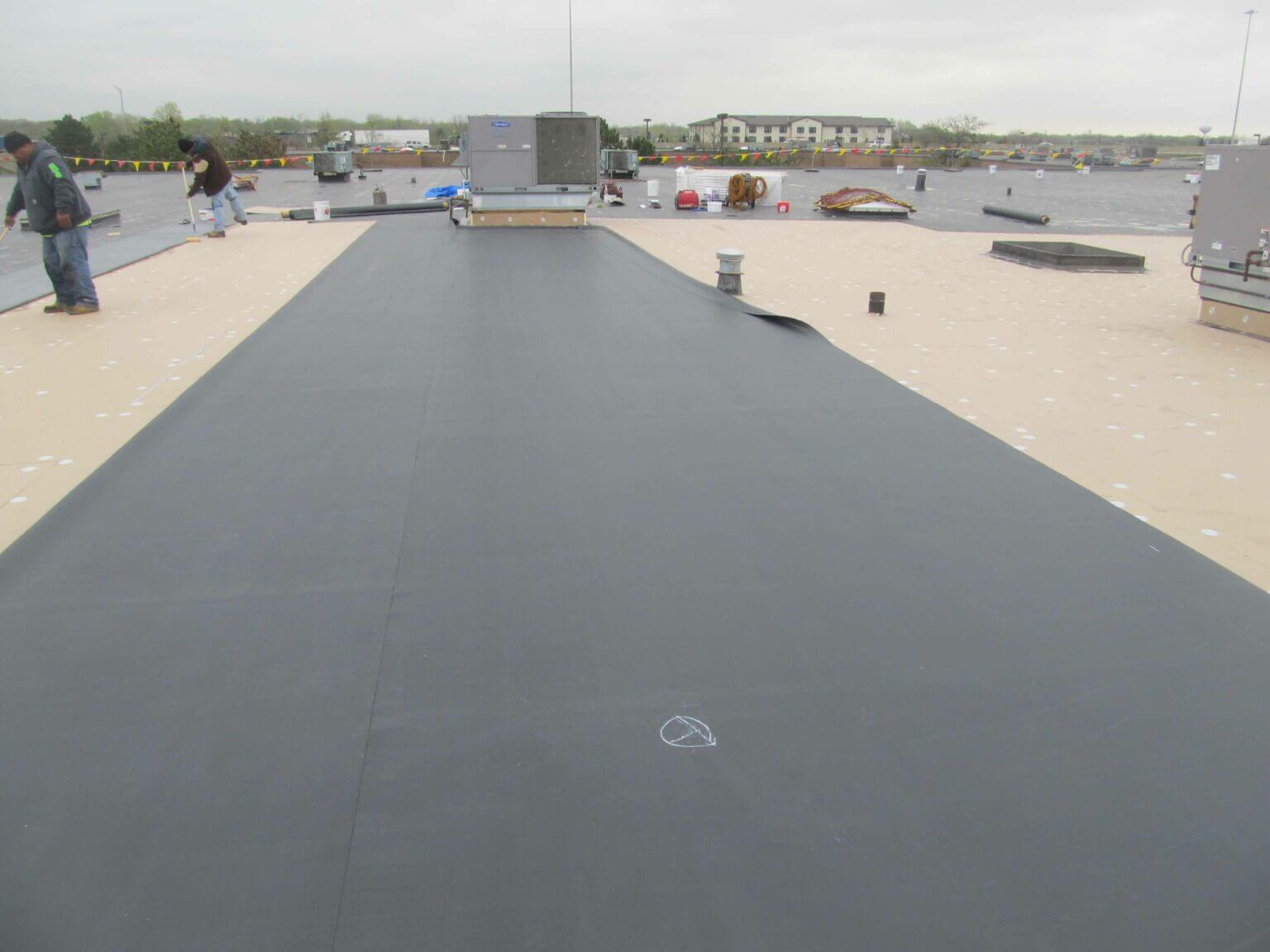
EPDM Roof Systems
EPDM rubber roofing systems for Orlando commercial and industrial buildings — 60-mil and 90-mil fully adhered and mechanically attached installation...