
Silicone Roof Coating Systems
Roof System
Silicone coatings are the only elastomeric coating system that retains waterproofing integrity under ponded water — which makes them the correct coating choice for Orlando's flat commercial roofs that pond after every afternoon convective storm.
Silicone roof coatings have a specific and important advantage over acrylic and polyurethane elastomeric coatings in Orlando's climate: silicone does not re-emulsify or degrade when submerged in standing water. Every other common elastomeric coating system loses adhesion and waterproofing performance when ponded water sits on it for extended periods. In a market that averages 54 inches of annual rainfall, much of it delivered in concentrated afternoon storms that can overflow undersized drains, the ponding-resistance of silicone is not a minor technical advantage — it is the difference between a coating that holds and one that peels.
Silicone coatings are a restoration system, not a repair system. The distinction matters: a silicone coating applied over a roof with active leaks, open seams, failed flashings, or saturated insulation does not fix any of those conditions — it covers them until they become worse. Every silicone coating project we run starts with a full roof assessment, moisture cores where insulation saturation is suspected, and repair of every deficiency before the coating is applied. The warranty on a silicone coating is only as good as the substrate condition beneath it.
Roof scope notes
Orlando's high UV environment is where silicone coatings prove their other strength: UV stability. Acrylic coatings oxidize and chalk in Florida's solar environment within 5-7 years. Silicone retains its properties under UV exposure at rates that justify the 10-year-plus warranty terms manufacturers offer for properly applied silicone systems.
When Silicone Coating Is the Right Scope
Silicone coating is the right scope when the existing membrane is structurally sound, the insulation is dry, the flashings are in serviceable condition, and the roof has at least 5-10 years of remaining membrane life without coating. It is not the right scope for membranes with widespread seam failure, saturated insulation, or FBC wind-uplift deficiencies in the attachment — coating over those conditions defers a replacement while the underlying problems worsen.
TPO roofs in Orlando that are 8-15 years old with UV degradation at seams and surface oxidation are the most common silicone coating candidate. The existing TPO membrane is often structurally intact at the seams but showing signs of surface aging — reduced reflectance, surface chalking, minor granule loss on granule-surfaced systems. A silicone coating restores reflectance, seals surface micro-cracking, and adds a layer of UV protection that extends membrane life to the edge of the warranty term.
For buildings where the capital decision is whether to coat or replace, we lay out the honest comparison: coating cost vs. replacement cost, extended life estimate from coating vs. replacement membrane life, and the risk profile of each path. If the membrane's remaining life with coating is less than 8 years, replacement is typically the better capital investment. If the membrane can deliver 12-15 years with a silicone coat, the coating math usually works.
Application and Quality Control in Florida Conditions
Silicone coating application requires dry conditions and a minimum surface temperature — Florida's rainy season creates scheduling challenges that require daily weather monitoring. Coatings applied on a surface that is not fully dry lose adhesion and fail prematurely. We schedule silicone coating application during the drier fall-through-spring window when possible, and during rainy season we work in the morning window before afternoon convective development.
Application thickness is the critical quality variable. Most manufacturer warranties require a minimum dry-film thickness — typically 20-30 mils depending on the product and warranty term. We measure wet film thickness during application and dry film thickness after cure. Thin application in any area voids the warranty for that area — we do not allow application crews to rush coverage at the expense of film thickness.
Primer selection for adhesion to existing TPO, EPDM, or modified bitumen substrates is the technical variable that most distinguishes proper silicone coating work from a commodity spray-and-go application. The primer must be compatible with the existing membrane chemistry. We confirm the manufacturer-approved primer for the specific substrate before any product is ordered.
How long does a silicone coating extend roof life?
A properly applied silicone coating on a sound TPO or modified bitumen membrane in Orlando conditions adds 10-15 years of service life in most cases, subject to the membrane's baseline condition at application. Manufacturer warranties typically run 10-year terms with documented application thickness. Re-coating at the end of the warranty term is possible and often cost-effective compared to membrane replacement.
Can silicone coating be applied over gravel-surfaced BUR?
Not directly — the gravel surface is incompatible with coating adhesion and creates an uneven application thickness. Gravel-surfaced BUR requires removal of the gravel or application of an embed fabric with a base coat before topcoat can be applied. We assess gravel-surface BUR coating on a case-by-case basis and often find that the labor to prep the surface makes replacement more cost-effective.
Does silicone coating qualify as a cool roof under Florida Building Code?
Yes. Silicone coatings with Solar Reflectance Index (SRI) above the Florida Building Code Energy threshold qualify as cool roofs. White silicone coatings typically achieve SRI values in the 90-100+ range, well above the FBC Energy minimum. This can be relevant for buildings subject to the Florida Energy Code's cool-roof requirements and for buildings seeking energy efficiency documentation.
Is silicone coating permitted in Orlando and Orange County?
Silicone coating applications above the Florida Building Code maintenance exemption threshold require a building permit. We assess the project against the current exemption thresholds and advise on permit requirements before the project starts. Where a permit is required, we manage the application and provide the Florida Product Approval documentation for the coating product.
Is your Orlando commercial roof a coating candidate?
Our project managers will assess the membrane condition, pull moisture cores if needed, and produce a written coat-vs-replace recommendation with manufacturer warranty documentation for each path.
Keep comparing the scope.
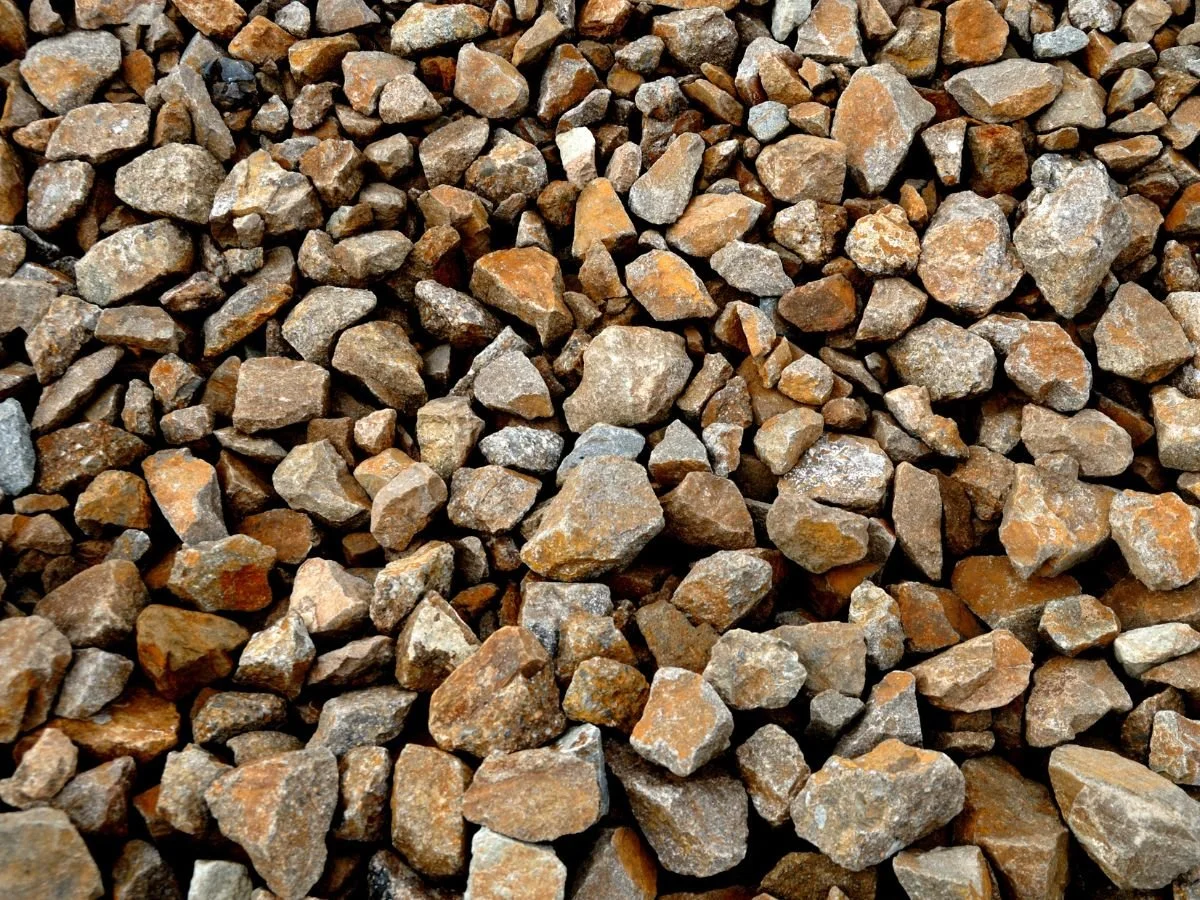
Ballasted Roof Systems
Ballasted roof systems for Orlando commercial buildings — loose-laid membrane with river-rock ballast, structural load assessment, FBC...
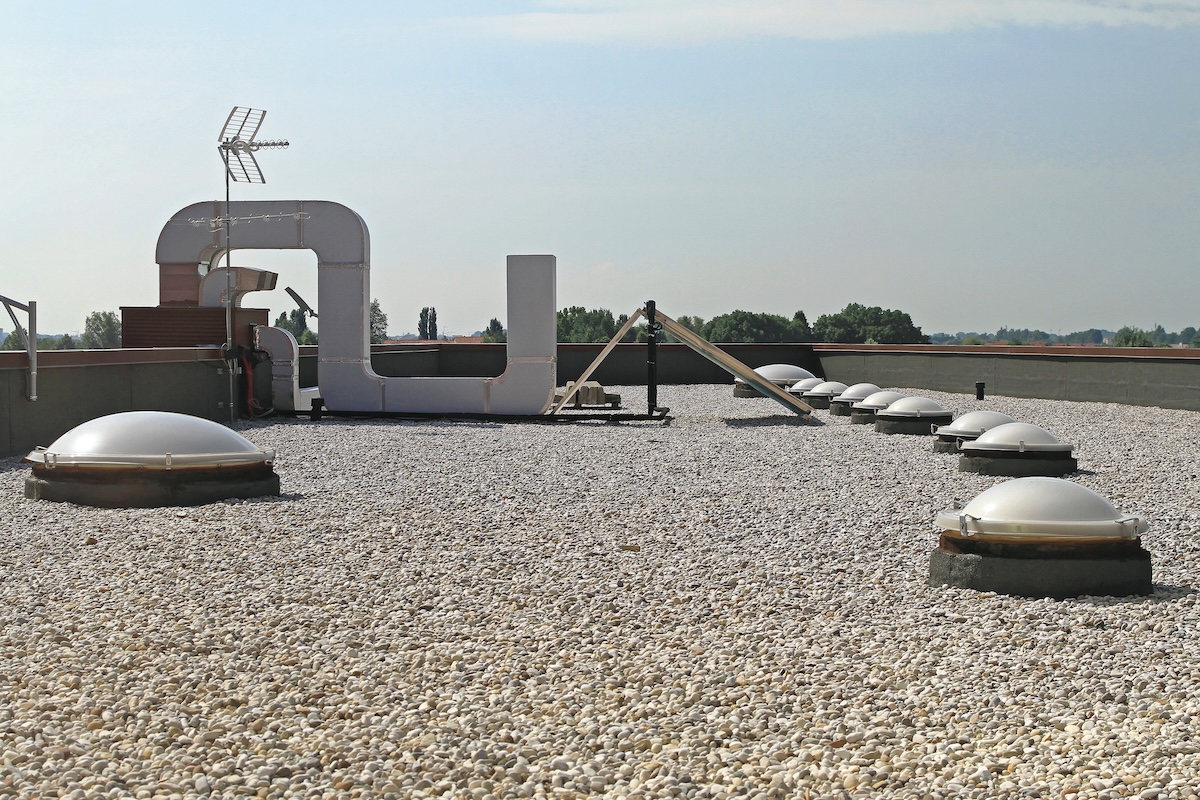
Built-Up Roof Systems (BUR)
Built-up roofing assessment, repair, and replacement for Orlando commercial buildings with original BUR systems — gravel-surfaced and smooth BUR on...
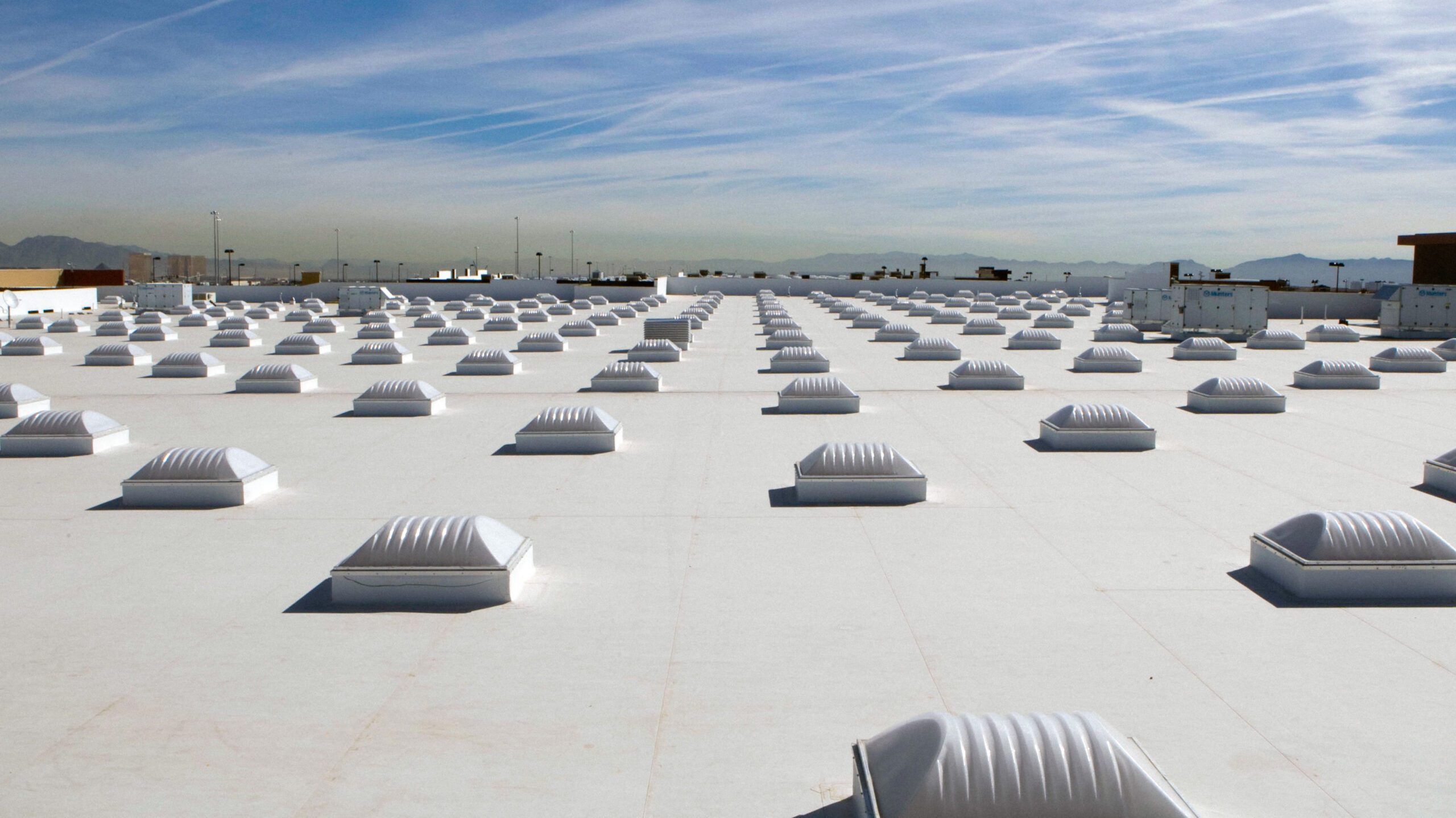
Cool Roof Systems in Orlando, FL | Florida Energy Code Compliance
Cool roof systems for Orlando commercial buildings — reflective membranes and coatings that meet Florida Building Code Energy requirements, reduce...