
Logistics & Distribution Roofing Orlando | Warehouse & Fulfillment
Industry
The intersection of I-4, the Florida Turnpike, SR-528, and Orlando International Airport's cargo operations makes Central Florida one of the Southeast's most active logistics and distribution hubs. Amazon, Publix, and dozens of third-party logistics operators run large-format distribution facilities across Orange, Osceola, and Seminole Counties. These buildings run continuous operations that cannot pause for roof work — sequencing is everything.
Central Florida's logistics geography is determined by the interstate network that converges on Orlando. I-4 is the east-west spine connecting Tampa and Daytona Beach through the metro. The Florida Turnpike runs north-south from the Treasure Coast through Kissimmee and Orange County to its northern extension toward Ocala. SR-528 (the Beachline Expressway) connects OIA to the Interstate network and the Space Coast. Where these roads intersect — the distribution parks along Turnpike-adjacent roads in south Orange County and Osceola County, the OIA cargo area along Tradeport Drive and Cargo Road, and the I-4 / SR-192 corridor near the Orange-Osceola county line — is where the regional logistics infrastructure is concentrated.
Amazon's Orlando-area fulfillment and delivery network includes large-format fulfillment center operations in the south Orange County / Osceola County corridor and last-mile delivery station facilities distributed across the metro. Publix Super Markets' distribution center operations for the Central Florida region — Publix is headquartered in Lakeland and operates distribution centers that serve its Orlando-area stores — represent another major logistics real estate footprint in the market. These are large buildings, often 500,000 to 1,000,000 square feet or more of flat roof area, with continuous operations that make roof work sequencing a primary project management challenge.
Large-Format Flat Roof Replacement — Scope and Sequencing
A 500,000 square foot distribution warehouse is not a complicated building, but it is a large one. The primary challenge in large-format flat roof replacement is production sequencing — managing the tear-off, insulation, and membrane installation across 500, that keeps the building weather-tight every night, maintains progress toward the completion date, and does not require the building to be unoccupied or shut down.
We tear off and dry in each section on the same day. For a 500,000 sq ft building, a production crew replacing roof at 15,000-20,000 sq ft per day takes approximately 25-35 production days plus weather contingency. The daily dry-in discipline is the core production commitment — we do not leave interior spaces exposed overnight, and in Orlando's June-October rainy season we do not start tear-off on sections we cannot dry-in by 2 PM. This discipline extends the calendar slightly compared to a contractor who leaves sections exposed, but it eliminates the water intrusion events that turn a roof replacement into a property damage claim.
Drainage design in large-format distribution buildings requires particular attention. A 500,000 sq ft building roof sheds enormous volumes of water in an Orlando afternoon thunderstorm — 2 inches of rainfall in an hour over 500,000 sq ft is approximately 500,000 gallons of runoff that has to move from the roof to the drains in under an hour without ponding. We verify drain count, drain sizing, and drain condition against the rainfall intensity for Orange County during the pre-replacement assessment, and we design the tapered insulation package to achieve positive drainage to every drain.
OIA Cargo Corridor and Tradeport Orlando
Orlando International Airport's cargo operations complex along Cargo Road and Tradeport Drive south of the main terminal represents one of the higher-activity logistics zones in the Central Florida market. Tradeport Orlando — a large-format logistics and manufacturing park adjacent to OIA — houses freight forwarders, cargo handling facilities, and distribution operations that depend on airport cargo access. Buildings in this corridor are operated under OIA / Greater Orlando Aviation Authority (GOAA) lease agreements in some cases and privately on adjacent land in others.
GOAA-leased buildings on airport property are subject to GOAA's facility standards and permitting process — which runs parallel to but differently from the standard Orange County Building Division process. We are familiar with the GOAA facility management process for airside and landside cargo buildings and have managed permitting for buildings in this jurisdiction. The FBC requirements are the same; the permit intake and inspection process is GOAA-managed.
Roofing work on buildings adjacent to active airport operations requires awareness of FAA height restrictions and crane limitations that apply within the OIA protected zone. We verify crane height requirements against the FAA's obstruction clearance standards before placing equipment on any building within the OIA approach corridor.
Turnpike Corridor Distribution Parks — I-4 / US-192 / SR-91
The distribution parks along the Florida Turnpike in south Orange County and north Osceola County — the Osceola Parkway / SR-91 corridor and the US-192 Turnpike interchange area — represent a wave of logistics real estate development driven by Orlando's position as a regional distribution hub for Central and South Florida. These parks include newer buildings (2015-2025 vintage) as well as older distribution facilities from the 1990s and 2000s.
Amazon's fulfillment center operations in the south Orlando / Osceola corridor are the highest-profile tenants in this distribution real estate market. Amazon's facility standards for contractor work on their buildings — including required safety training, access control protocols, and incident reporting requirements — apply to roofing work the same as to any other construction activity on their properties. Amazon facility managers require pre-construction safety plan submission and typically conduct a pre-mobilization safety orientation for contractor crews.
Publix Super Markets' Central Florida distribution operations serve the region's more than 300 Publix stores. Publix distribution centers are large-format cold-storage and ambient-temperature buildings with specific insulation and air barrier requirements that affect the roofing assembly design. Cold-storage distribution buildings require a vapor retarder or air barrier below the insulation assembly to prevent condensation within the roof system — a detail that is more consequential in Florida's hot-humid climate than in a drier market.
Can you replace a 500,000 sq ft distribution center roof without interrupting operations?
Yes. Large-format roof replacement on active distribution facilities is the standard scope in this industry — these buildings cannot shut down for a reroof. We sequence production in sections with same-day dry-in, maintain full dock and staging area functionality during production, and manage daily progress to the project schedule. The building continues operating throughout the replacement. We have done this on large-format distribution buildings in the Central Florida market.
Do you work on buildings in the OIA cargo corridor and Tradeport Orlando?
Yes. Buildings on airport property under GOAA lease are permitted through GOAA's facility management process rather than the standard Orange County Building Division. We are familiar with GOAA's permit intake and inspection process. For buildings adjacent to the airport on privately-held land, permits run through Orange County Building Division. We manage both.
How do you handle cold-storage distribution buildings with special insulation requirements?
Cold-storage building roofing assemblies require a vapor retarder or air barrier below the insulation to prevent condensation within the roof system. In Florida's hot-humid climate this is a critical design element — a roof assembly without a properly detailed vapor retarder on a cold-storage building will accumulate moisture in the insulation and fail the warranty. We design the vapor retarder detail as part of the replacement specification, not as an afterthought.
What are the FBC wind requirements for large distribution buildings in Orange County?
Large single-story distribution buildings in Orange County are typically Exposure Category C — open terrain with large surface parking lots and minimal wind shielding. The FBC design pressure for the perimeter and corner zones of a large-format distribution building in Exposure C runs higher than the field zone. We design the fastener pattern by zone — field, perimeter, corner — to
Logistics or distribution facility roofing scope in Central Florida?
Our project managers have scoped and managed large-format flat roof replacements on active distribution and warehouse facilities in the Orange County and Osceola County logistics corridors. We can assess the roof, produce a replacement scope with drainage analysis, and sequence the project around your operations.
Keep comparing the scope.
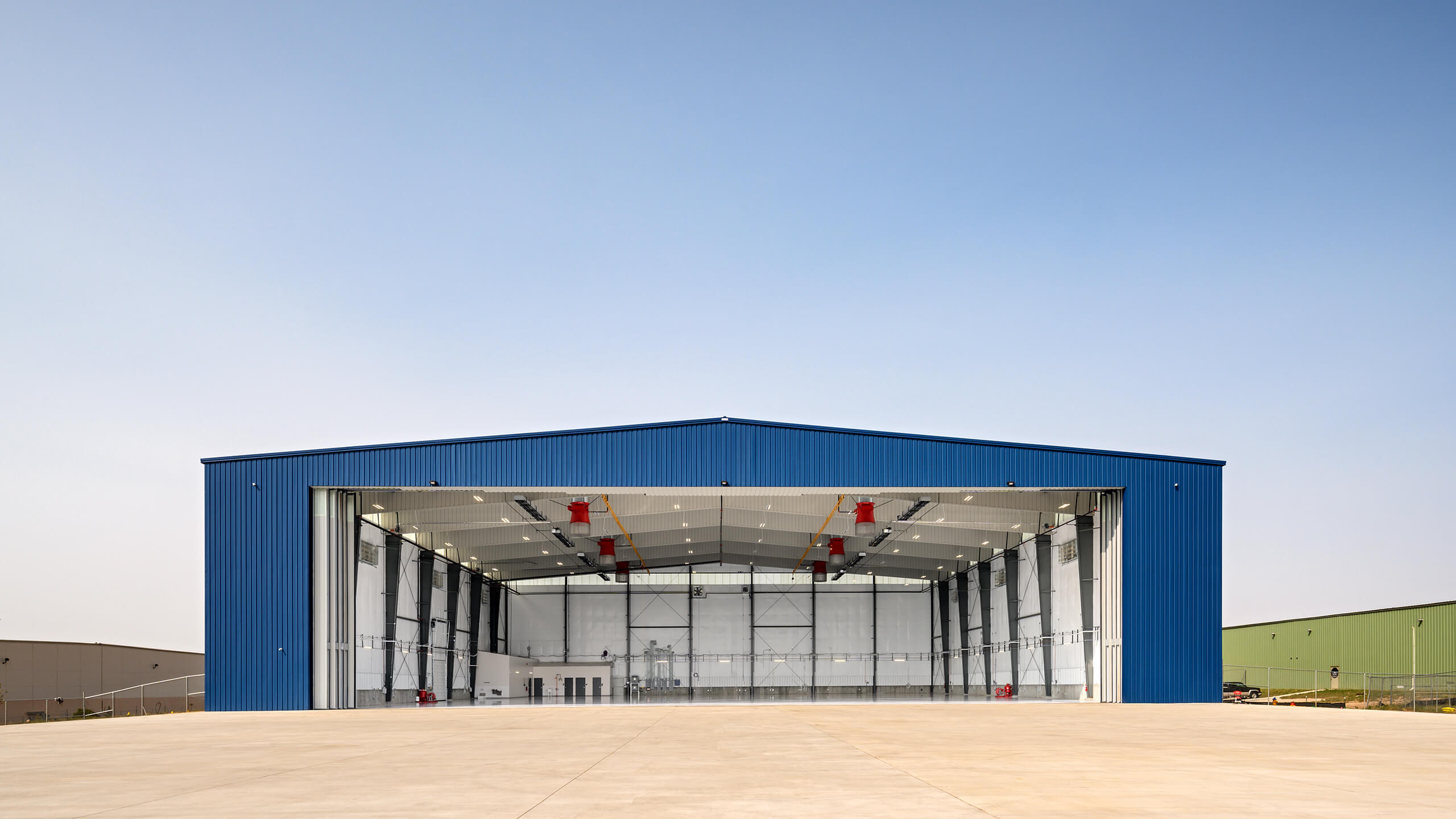
Aerospace & Defense Facility Roofing
Commercial roofing for aerospace and defense facilities in Orlando, FL — Lockheed Martin Missiles & Fire Control, L3Harris, and Northrop Grumman.
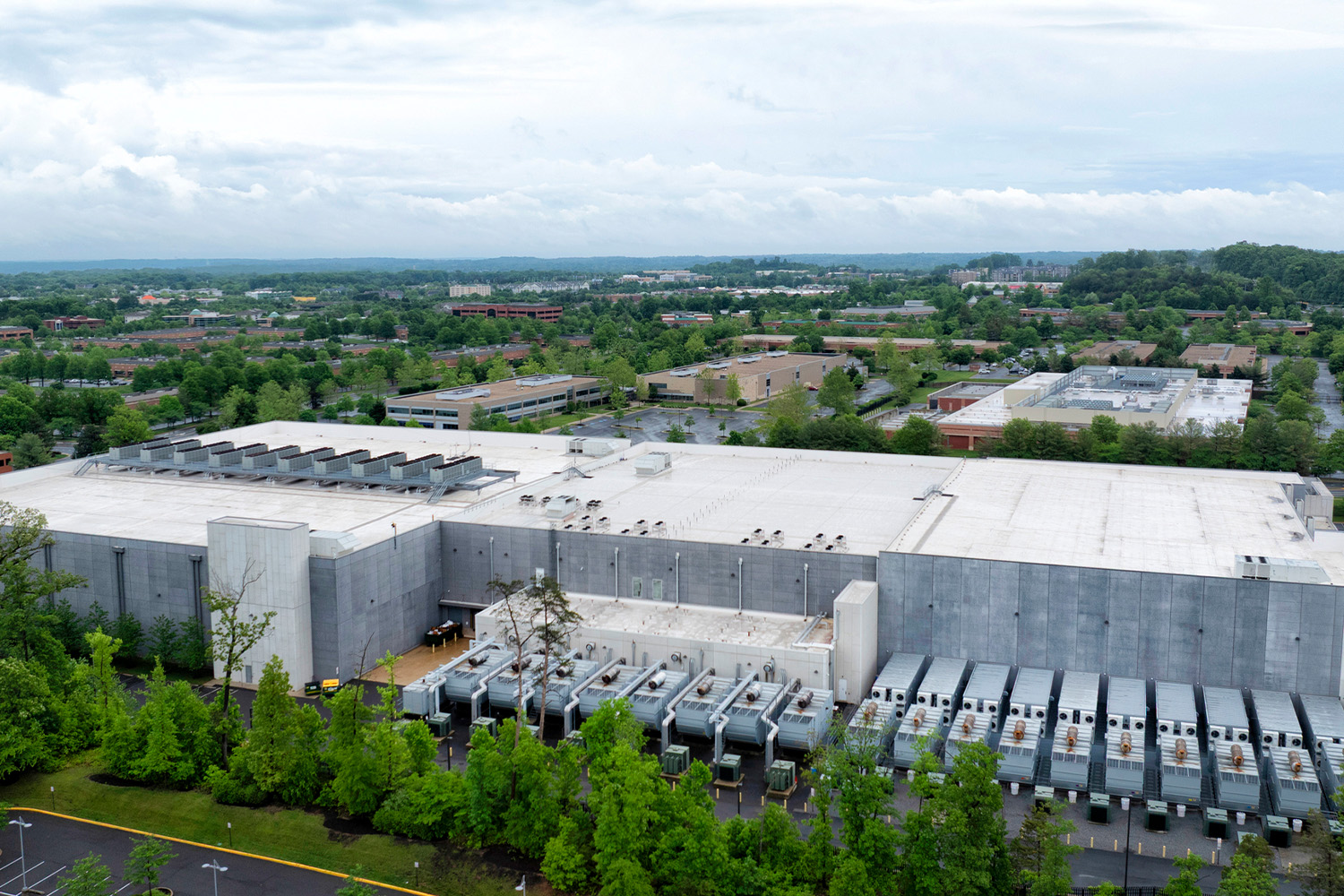
Data Center Roofing
Data center roofing for colocation facilities, server rooms, and mission-critical buildings throughout Orlando, FL.
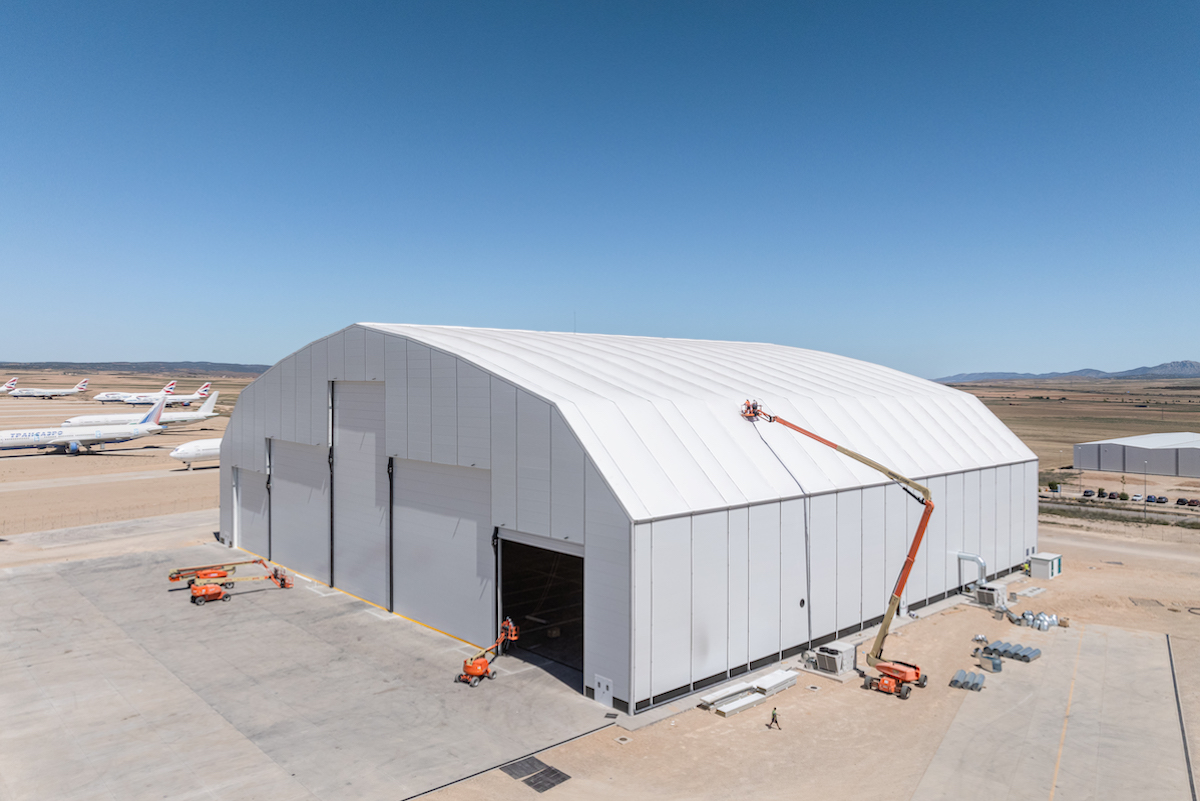
Defense & Simulation Industry Roofing
Commercial roofing for Orlando's defense and simulation industry — Lockheed Martin Missiles & Fire Control, the Modeling Simulation & Training...