
Hospitality Roofing Orlando | Hotels & Convention Properties
Industry
International Drive runs more hotel rooms per linear mile than almost any corridor in the United States. The Orange County Convention Center and its surrounding hotel cluster anchor the convention hospitality market. Disney Springs hotels and the Bonnet Creek corridor add another dense hospitality zone in the southwest metro. Roofing these properties means working around peak occupancy, franchise brand standards, and Florida Building Code hurricane wind-uplift requirements that every hotel in Orange County must meet.
Orlando's hospitality industry is not one market — it is several overlapping markets stacked on the same geography. There is the convention market centered on the Orange County Convention Center, one of the three largest convention venues in the United States. There is the theme park resort market powered by Disney World, Universal, and SeaWorld. There is the independent and extended-stay market along International Drive and US-192. And there is the luxury and residential resort market at Bonnet Creek, Reunion Resort, and the Four Seasons at Walt Disney World. Each of these segments has a different set of operational constraints for a roofing contractor.
The International Drive hotel strip — stretching from Sand Lake Road north to Universal Boulevard and south toward the OCCC — represents the highest density of hotel commercial roofing in the Southeast. Properties along I-Drive include everything from large convention-adjacent towers like the Rosen Shingle Creek (1,500 rooms, 450,000 square feet of convention space) to mid-size franchise hotels operating under Marriott, Hilton, and IHG flags. Most of this stock was built in the 1980s through early 2000s and is in active reroof or major repair cycles. Many properties are on second or third-generation roof systems.
Orange County Convention Center Hotel Cluster
The hotels in the immediate OCCC cluster — the Rosen Shingle Creek, the Hyatt Regency Orlando, the Wyndham Grand Orlando Bonnet Creek, and the properties along International Drive south of Sand Lake — are managed around the OCCC's event calendar. The convention center hosts major events every week from September through May, and the hotels adjacent to it run at 90-95% occupancy during event weeks. Roofing work on these properties is almost entirely limited to June through mid-September — the convention off-season window — or to overnight and early-morning access on non-event weeks.
The Hyatt Regency Orlando, with its signature Rotunda tower on International Drive, is one of the larger hotel roof environments in the Central Florida market. The tower roof at height and the ballroom and convention wing rooftop areas require different attachment strategies — the tower rooftop is at a height that moves it into a higher wind exposure zone under FBC design pressure calculations than a standard two-story hotel. We design fastener patterns and edge metal for the actual FBC design pressure at the roof's elevation, not the ground-floor equivalent.
The Rosen Shingle Creek's 1,500-room property includes both the main hotel tower and a separate convention wing with its own large rooftop area. Harris Rosen's independently-operated properties — Shingle Creek, Rosen Centre, Rosen Inn, and the other Rosen assets along I-Drive — are managed through Rosen Hotels and Resorts' own facilities team, not through a national brand franchise engineering department. Independent hotel operators like Rosen typically have faster decision cycles than franchise-brand operators, and their facility standards are set internally rather than by a national brand PIP process.
Disney Springs Hotel District and Bonnet Creek
The Disney Springs hotel district — a cluster of independently operated hotels along Hotel Plaza Boulevard on the eastern edge of Walt Disney World property — operates under Disney Springs landlord standards as an overlay on the standard FBC and brand-franchise requirements. The hotels here include the Hilton Orlando Buena Vista Palace, the B Resort and Spa, the DoubleTree Suites by Hilton, and several others. These properties have Disney Springs landlord standards governing exterior appearance, signage, and capital improvement scope — which means a roofing replacement on a Hotel Plaza Boulevard property has to satisfy the hotel brand's engineering team, the Disney Springs landlord's facility standards, and the FBC permit requirements simultaneously.
The Bonnet Creek corridor — accessed via Buena Vista Drive off I-4 — is home to the Waldorf Astoria Orlando, the Wyndham Grand Orlando Bonnet Creek, and several other high-specification resort properties. These properties are on the boundary of Walt Disney World's property and the CFTOD jurisdiction. Some are inside CFTOD jurisdiction and permit through CFTOD; others are in Orange County jurisdiction and permit through Orange County Building Division. Knowing which jurisdiction applies before the project starts matters — the permit intake, fee, and inspection process differs.
The Waldorf Astoria Orlando's 502-room property is a high-specification luxury hotel with roofing and rooftop terrace areas that require a more detailed pre-replacement assessment than a standard convention hotel. Luxury brand properties at this specification level require closeout documentation and installation quality standards that exceed what a standard FBC permit closeout requires — documented QC photos at every penetration and seam, manufacturer warranty inspection coordinated with the brand's own facilities inspection, and written maintenance protocol for the new system.
FBC Wind-Uplift on Orlando Hotel Buildings
Orange County hotel buildings are not exempt from Florida Building Code wind-uplift requirements. A convention hotel on International Drive at five stories is designed to higher perimeter and corner zone wind loads than a two-story warehouse in the same ZIP code — building height is a direct input to the FBC design pressure calculation, and taller buildings face higher design pressures at the roof edge.
International Drive corridor hotels also sit in Exposure Category C terrain — relatively open terrain with the I-4 interchange and large surface parking areas that increase the effective wind exposure compared to a densely built urban core. We pull the FBC design pressure for the building's height and exposure category before specifying any fastener pattern. A TPO specification that meets the national standard minimums may not We design to the actual requirement.
Hurricane Irma (2017) produced sustained 80 mph gusts across the I-Drive corridor with a multi-hour duration that lifted roofing components on several corridor hotels. The most common failures were perimeter flashing separation at parapet walls and drain scupper conditions that allowed water intrusion under membrane laps during sustained rain. The lessons from Irma are in how we specify perimeter attachment and drain details on every hotel replacement project we scope.
How do you schedule roofing work around hotel occupancy on International Drive?
I-Drive hotel properties in the convention hotel cluster are typically available for major roof work June through mid-September, outside the heavy convention season. We build the production schedule around the hotel's group booking calendar — most convention hotels share a 90-day forward booking outlook that lets us identify low-occupancy windows. Production start times are set to minimize early-morning noise on occupied sleeping floors. Night access is available when the hotel's facilities team approves it.
Do you coordinate with hotel brand PIP requirements for roof replacements?
Yes. Franchise-brand properties under Marriott, Hilton, IHG, or other flags have a Property Improvement Plan process that may require brand engineering pre-approval of the roofing scope before the project is contracted. We have run this coordination in parallel with the FBC permit process — the brand pre-approval and the permit application can be submitted concurrently. We provide the specification documentation that brand engineering departments require for their pre-approval review.
Can you handle the Disney Springs landlord standard documentation for Hotel Plaza Boulevard properties?
Yes. Disney Springs landlord standards for Hotel Plaza Boulevard properties add an overlay of facility standard requirements on top of the standard FBC permit process. We are familiar with the documentation requirements and coordinate the closeout package to satisfy both the landlord standard and the FBC permit closeout requirements.
What is your experience with large convention hotel roof replacements in Orlando?
We have assessed and scoped roofing projects on multiple large convention-adjacent properties in the I-Drive and OCCC corridor. Large-format convention hotels have multiple roof zones — tower rooftops, convention wing rooftops, ballroom barrel vaults, covered entrance canopies — each with different membrane systems, drainage design, and access requirements. We scope each zone separately and sequence production around the hotel's occupancy calendar.
Hospitality property roofing scope in Orlando?
Our project managers understand the occupancy-cycle scheduling, franchise-brand PIP coordination, and FBC wind-uplift compliance that Orlando hotel properties require. We can walk the roof, produce a condition assessment, and build the project schedule around your operational windows.
Keep comparing the scope.
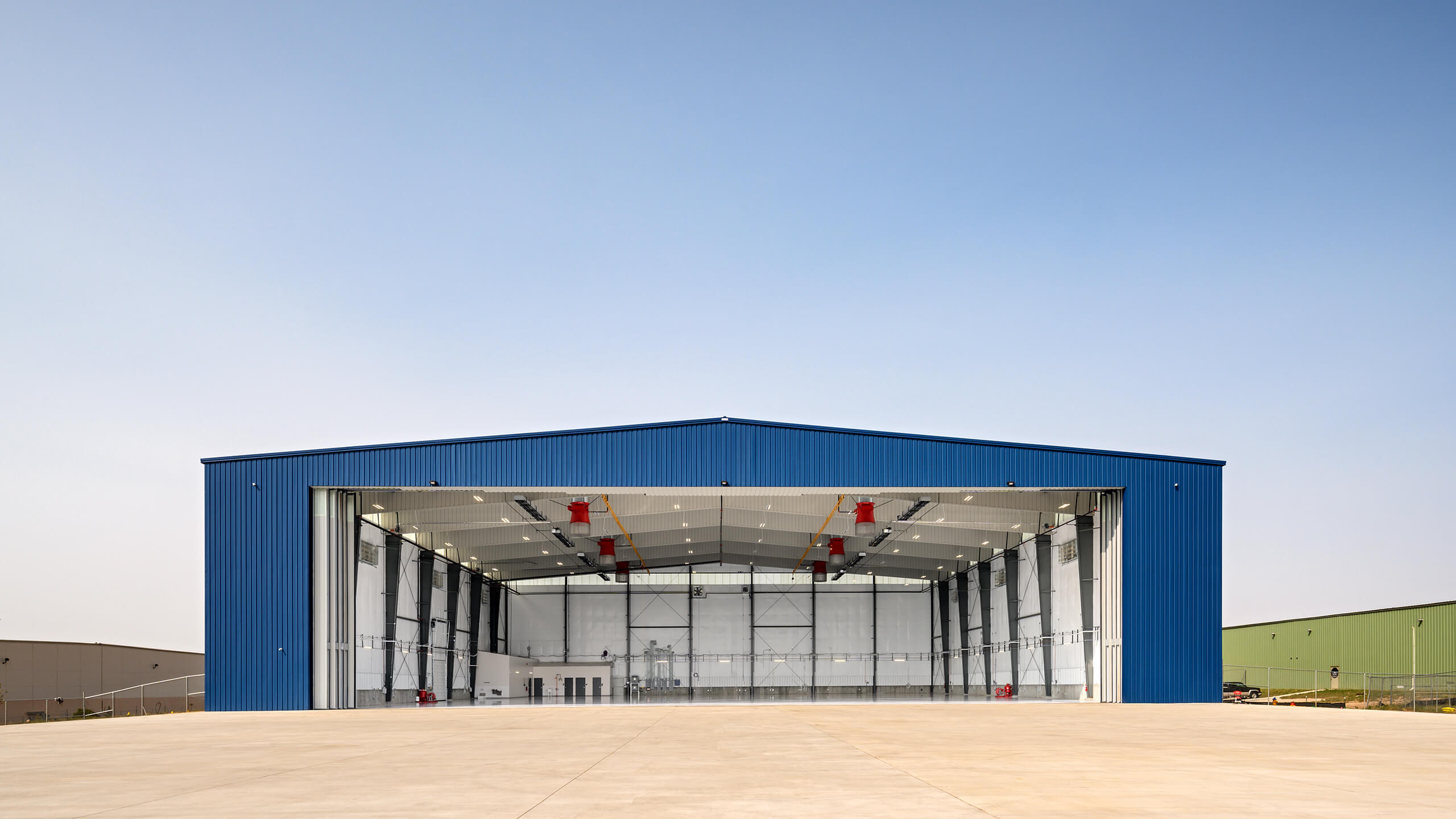
Aerospace & Defense Facility Roofing
Commercial roofing for aerospace and defense facilities in Orlando, FL — Lockheed Martin Missiles & Fire Control, L3Harris, and Northrop Grumman.
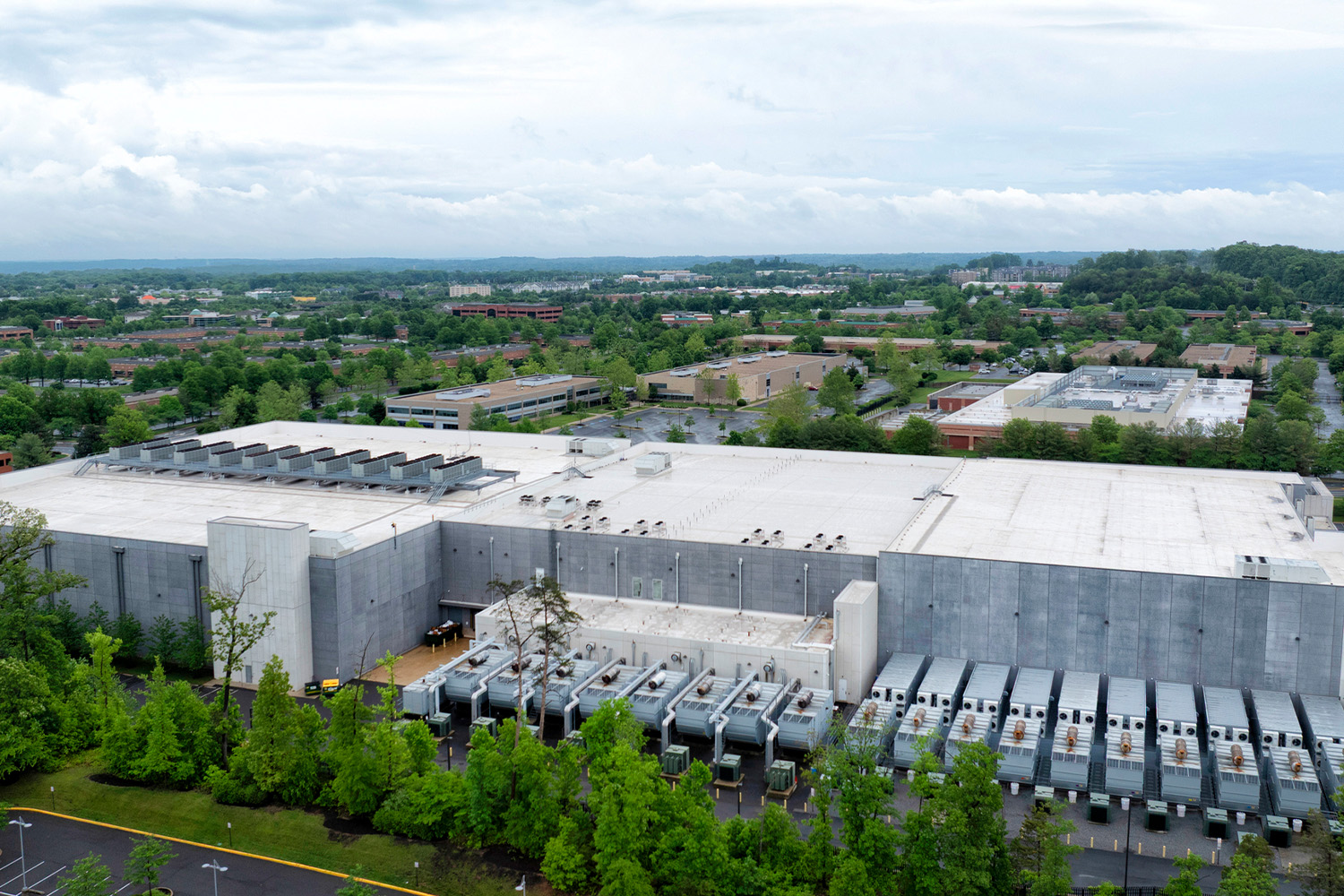
Data Center Roofing
Data center roofing for colocation facilities, server rooms, and mission-critical buildings throughout Orlando, FL.
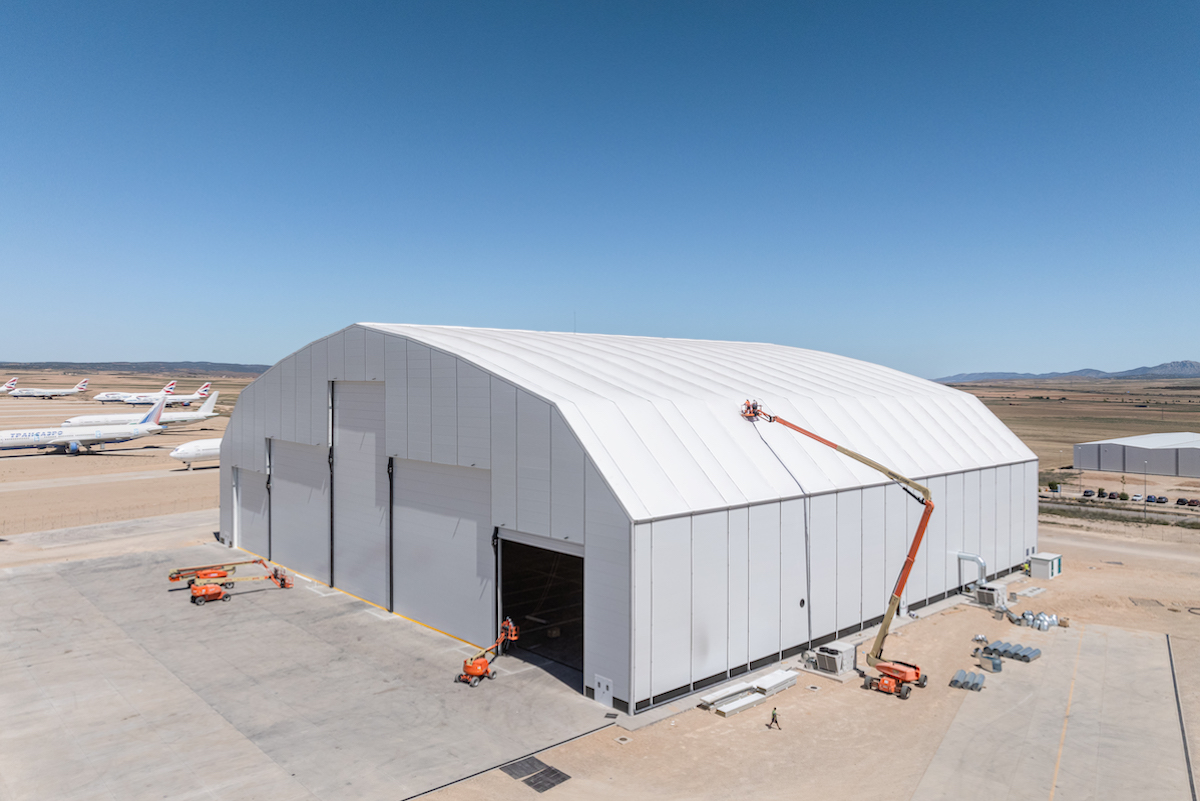
Defense & Simulation Industry Roofing
Commercial roofing for Orlando's defense and simulation industry — Lockheed Martin Missiles & Fire Control, the Modeling Simulation & Training...