
Defense & Simulation Industry Roofing
Industry
Orlando is one of the largest Modeling, Simulation, and Training (MS&T) industry clusters in the world, defined by Lockheed Martin's Missiles and Fire Control division in the southwest Orlando industrial corridor. Defense manufacturing and simulation facilities impose access control, security credentialing, and documentation requirements on commercial roofing contractors that do not apply to general commercial work.
Orlando's defense industry is not widely advertised, but it is substantial. Lockheed Martin's Missiles and Fire Control division operates a major facility in the southwest Orlando industrial corridor — part of the company's broader Orlando campus that supports programs including the Joint Air-to-Surface Standoff Missile (JASSM), the Long Range Anti-Ship Missile (LRASM), and the Terminal High Altitude Area Defense (THAAD) fire control system. This is active defense manufacturing, not simulation or training — which means the facility carries controlled access requirements that are a real operational constraint for any contractor working on the building.
The broader MS&T cluster in the Orlando-area includes Northrop Grumman's simulation division, L3Harris Technologies (headquartered in Melbourne, with significant Orlando-area presence), CAE USA's defense simulation operations, and dozens of smaller defense technology and simulation companies concentrated in the Lake Mary corridor and the south Orange County industrial parks. Central Florida's MS&T industry is estimated to account for more than $10 billion in annual economic activity and is rooted in the military simulation programs at Simulation and Training Technology Center (STTC) at UCF Research Park.
Lockheed Martin and Defense Manufacturing Facilities
Lockheed Martin's Orlando-area Missiles and Fire Control campus occupies industrial space in the southwest Orange County corridor near the Turkey Lake Road and Westwood Boulevard industrial area. Buildings in active defense manufacturing carry ITAR (International Traffic in Arms Regulations) compliance requirements that affect how contractors document their work — specific information about the building's internal layout, roof penetration locations relative to manufacturing areas, and photographs of interior spaces from rooftop access points may be restricted. We manage this by establishing what documentation can be produced and shared before the project starts, and by designing our closeout documentation protocol around the facility's ITAR and security requirements.
Rooftop penetration density on defense manufacturing buildings is typically high — manufacturing facilities run large HVAC systems for precision climate control in manufacturing areas, exhaust ventilation for manufacturing processes, and communications antenna arrays that are common on defense facilities. Re-flashing existing penetrations during a roof replacement requires coordination with the facility's engineering team to confirm that no penetration-adjacent systems require shutdown or special access during the reflashing work.
The roof systems on older Lockheed Martin and defense manufacturing buildings in the southwest Orange County corridor frequently include modified bitumen or built-up roofing from the 1980s and 1990s — the era when much of the Orlando defense industrial campus was constructed. Buildings in this vintage are approaching or past their second roof replacement cycle. Full replacement with a modern TPO or EPDM system is typically the right scope, and the FBC permit process requires the same documentation for a defense facility as for any other commercial building — FBC compliance is not waived for defense properties.
MS&T Industry Cluster — UCF Research Park and Lake Mary Corridor
The UCF Research Park on the east side of the UCF main campus in the University Research Park area — adjacent to the university's engineering complex — houses a cluster of defense simulation and training technology companies. STTC (Simulation and Training Technology Center), a U.S. Army research laboratory, operates on the University Research Park campus adjacent to UCF. Commercial buildings in this corridor include research office buildings, light manufacturing buildings for simulation hardware, and specialized training facility buildings that have unique structural and environmental requirements.
The Lake Mary / Heathrow corridor along I-4 in southern Seminole County is the other major concentration of defense-adjacent technology companies in the Central Florida market. L3Harris Technologies, which is headquartered in Melbourne but has significant Lake Mary operations, and several Northrop Grumman and Raytheon supplier companies are located in this corridor. Commercial buildings in Lake Mary's office and flex-industrial parks are generally 1990s through 2010s vintage and represent a mix of original roofing systems at replacement age and more recent systems in active warranty cycles.
Defense and simulation companies in the UCF Research Park and Lake Mary corridor have a different access profile than the active manufacturing facilities at Lockheed Martin's main campus — most of these are office and research buildings without the hard security perimeter of a manufacturing plant. Roofing access protocols are more similar to a standard corporate campus, but security awareness for the type of work being done inside these buildings is still appropriate. We train our crews to conduct themselves professionally in these environments regardless of the specific access protocol.
Security Credentialing and Documentation Management
We manage the credentialing process as a project management task — not as an afterthought. Background check clearance time varies by facility security requirement, and we build the expected credentialing lead time into the project schedule from the proposal stage. For facilities with strict ITAR requirements, we identify which documentation deliverables in our standard closeout package are restricted and provide alternative documentation formats that satisfy the facility's requirements without creating ITAR compliance issues.
Florida Building Code permit requirements apply to defense facilities the same as to any commercial building. The FBC permit is pulled with the local jurisdiction — typically Orange County Building Division for south Orange County facilities — and the building permit inspection process runs independently of the facility's internal security process. We coordinate the jurisdiction's building inspector access with the facility's security team so that permit inspections do not create a security protocol conflict.
Can your crew pass the background check requirements for Lockheed Martin or other defense facility access?
Our core project management and foreman team can complete defense facility background check processes. We build the credentialing lead time into the project schedule — it is not treated as a delay but as a pre-construction phase with a defined timeline. We communicate the expected credentialing timeline to the facility's procurement team before contract execution.
How do you handle ITAR documentation restrictions on defense facility roofing projects?
We establish the documentation protocol before the project starts — specifically, what can be photographed, what can be included in the closeout package, and how the closeout package is handled after delivery. For buildings with strict ITAR requirements, we design the closeout documentation to satisfy FBC permit requirements and manufacturer warranty requirements without creating ITAR compliance issues. The permit inspection is coordinated with the facility's security team in advance.
Do you work on buildings in the UCF Research Park and Lake Mary defense corridor?
Yes. The UCF Research Park, the Lake Mary / Heathrow corridor, and the south Orange County industrial parks where defense-adjacent companies are concentrated are all within our regular service area. Response time to the UCF Research Park area is approximately 25 minutes from our office. Lake Mary and Heathrow are approximately 30-35 minutes.
What roof systems are typical on Orlando defense manufacturing buildings?
The older defense manufacturing buildings in the southwest Orange County corridor — 1980s-1990s construction — typically carry modified bitumen or built-up roofing systems that are at or past replacement age. Replacement with a 60-mil TPO or EPDM system, permitted to FBC standards, is the typical scope. More recent buildings in the Research Park and Lake Mary corridor are more likely to have existing TPO systems in active maintenance or warranty cycles.
Defense or simulation facility roofing scope in the Orlando area?
Our project managers are familiar with the security credentialing process, documentation protocol, and FBC compliance requirements for defense and simulation industry commercial buildings in the Central Florida corridor. We can scope the project, manage credentialing lead time, and deliver the closeout documentation your facility requires.
Keep comparing the scope.
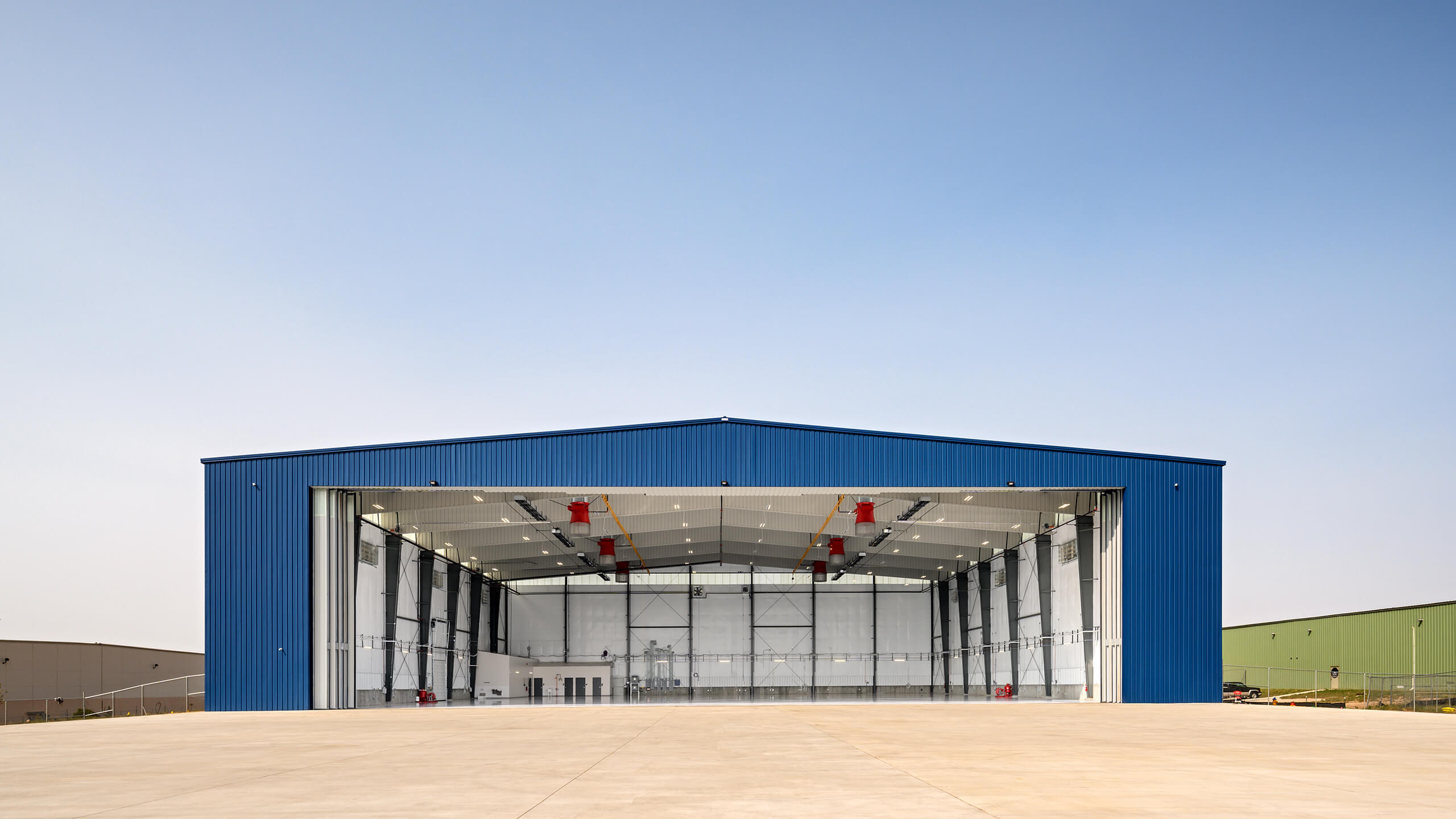
Aerospace & Defense Facility Roofing
Commercial roofing for aerospace and defense facilities in Orlando, FL — Lockheed Martin Missiles & Fire Control, L3Harris, and Northrop Grumman.
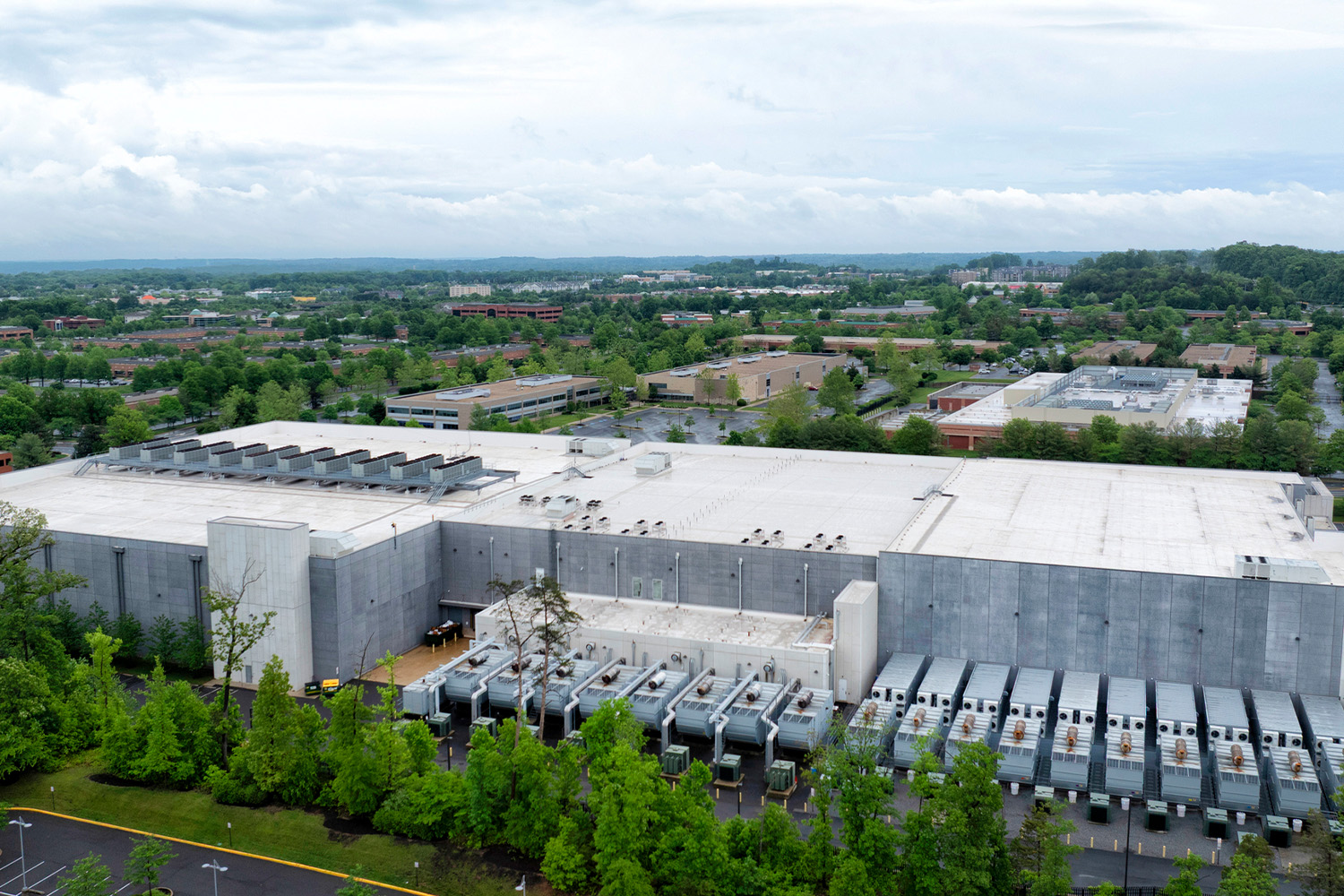
Data Center Roofing
Data center roofing for colocation facilities, server rooms, and mission-critical buildings throughout Orlando, FL.
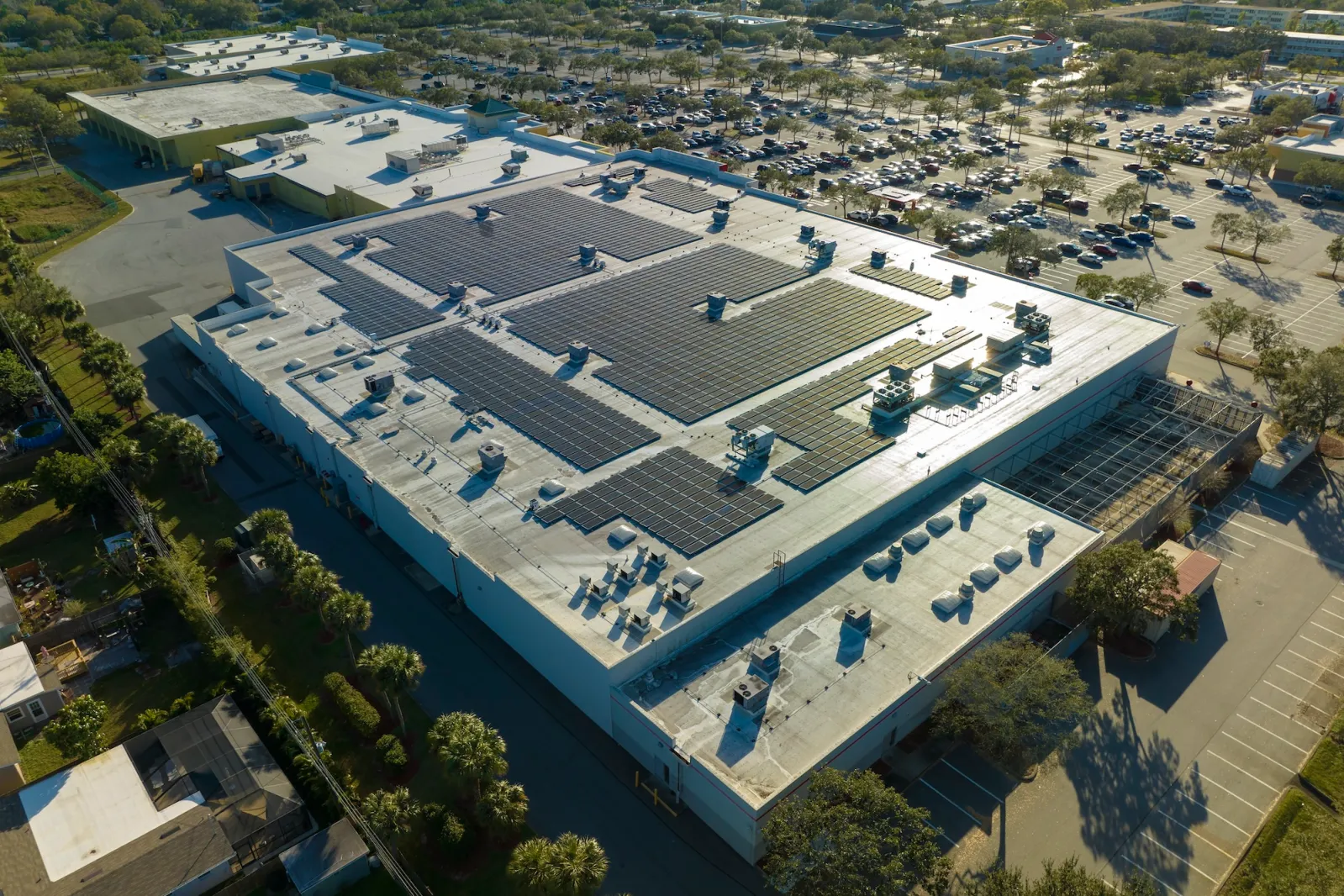
DST Roofing Services
Commercial roofing for Delaware Statutory Trust (DST) properties and 1031 exchange investors throughout Orlando, FL.