
Food Processing and Cold Storage Roofing
Industry
Roof scope notes
Roofing for food processing plants, cold storage facilities, and distribution centers throughout Orlando, FL.
Central Florida's food distribution and service infrastructure is centered on an extraordinary convergence of institutional demand. Darden Restaurants, headquartered in Orlando, operates the Olive Garden, LongHorn Steakhouse, and several other national chains, creating one of the largest food service procurement and distribution operations in the country managed from a single headquarters location. Sysco's Central Florida distribution center is one of the company's busiest regional operations, serving the hotels, theme parks, convention centers, and restaurants of a metropolitan area that hosts tens of millions of visitors annually. Disney's food service operation — feeding guests across dozens of theme park restaurants, resort hotels, and special events facilities — is a logistical enterprise of surprising scale that maintains its own cold chain infrastructure to support the quality standards that the brand demands.
The roofing requirements for Orlando's food distribution and food service infrastructure reflect both the scale of the operations and the Florida climate's specific challenges. Cold storage and refrigerated distribution facilities in Central Florida maintain interior temperatures that contrast with exterior conditions measured in the 90s during summer — a temperature differential that drives moisture toward cold interiors with the same relentless vapor pressure physics that applies in any warm-climate cold storage application. The year-round warmth and humidity of the Orlando area means that vapor management is a continuous year-round concern rather than a seasonal one, and the vapor retarder must intercept inbound moisture consistently regardless of the time of year.
How should cold storage roofing be specified to manage Florida's year-round vapor drive?
Florida's high year-round humidity creates consistent inward vapor drive in cold storage facilities throughout the year — there is no season when the exterior is cold enough to reverse the drive. The vapor retarder must be positioned on the exterior (warm) side of the insulation assembly and must have sufficiently low permeance to limit the inbound vapor flux to a rate that does not produce condensation accumulation in the insulation. A hygrothermal model using Orlando's actual climate data and the facility's interior conditions will confirm the appropriate retarder permeance. Field-verify vapor retarder continuity at all penetrations and transitions — these locations are the most common sources of vapor control failure.
What wind specification is appropriate for a Sysco-type distribution center in Orlando?
FM Global 1-90 is the minimum baseline; FM 1-120 is strongly advisable for large distribution facilities with significant inventory exposure. Orlando's location in Florida triggers the state's mandatory wind speed requirements for commercial construction, which are among the highest in the country for inland locations. Edge metal must be tested and labeled per ANSI/SPRI ES-1 for the applicable design wind speed, and parapet flashing details must be capable of managing the wind-driven rain entry that accompanies tropical storm and hurricane conditions.
How does Florida's FSMA regulatory framework affect roofing maintenance requirements?
FSMA's Preventive Controls for Human Food rule requires food facilities to maintain buildings in a condition that does not create contamination risk for food products. Roofing deficiencies that allow water infiltration in food storage or handling areas create documented FSMA non-conformances that can result in FDA enforcement action. Maintenance records demonstrating a systematic inspection and repair program are part of the documentation that FSMA compliance requires. Facilities that can show a documented roofing inspection history, timely repair of identified deficiencies, and a relationship with a qualified contractor for emergency response are better positioned to demonstrate FSMA compliance than those with reactive-only maintenance approaches.
Can cool roof membranes reduce refrigeration costs at Orlando cold storage facilities?
Yes. A reflective cool-roof membrane reduces solar heat gain through the roof by reflecting 70–80% of incident solar radiation compared to 3–10% for a dark membrane. In a cold storage building, this reduced solar heat gain translates directly to a lower refrigeration load — less heat entering the building means less heat the refrigeration system must remove. In Orlando's sunny climate, the reduction in refrigeration energy consumption from a properly specified cool roof can produce payback on the incremental cost of the cool roof specification within two to four years, depending on energy costs and roof area. This is a compelling return that supports cool roof investment even without the regulatory requirement.
How often should roof drains on Orlando food distribution facilities be inspected?
During the summer rainy season (June through September), monthly drain inspections are advisable. Debris accumulation from tropical vegetation, organic material from rooftop biological growth, and storm-deposited material can block drains quickly in Orlando's climate. A blocked drain on a large distribution center during a summer thunderstorm can create several feet of ponded water within hours. Annual or biannual inspection schedules that are appropriate for drier climates are inadequate in Central Florida. In addition to scheduled inspections, someone should verify drain function after every significant storm event.
Do you work within the Central Florida Tourism Oversight District (formerly Reedy Creek) for Disney property roofing?
Yes. Commercial roofing permits on Walt Disney World property are pulled through CFTOD, which enforces the Florida Building Code but operates its own permit intake and inspection scheduling process. Our project managers are familiar with CFTOD's permit requirements and inspection cadence. We do not treat a CFTOD permit like an Orange County permit — the forms, contacts, and inspection sequence are different.
How do you schedule roofing work around peak resort occupancy?
We plan production windows around the resort's annual occupancy calendar. Peak summer, Thanksgiving, Christmas-to-New Year's, and spring break are generally unavailable for guest-facing hotel roof work. We identify the workable windows — typically late January through mid-February and September through October — and build the project schedule around them. Backstage and operations buildings have more scheduling flexibility.
Keep comparing the scope.
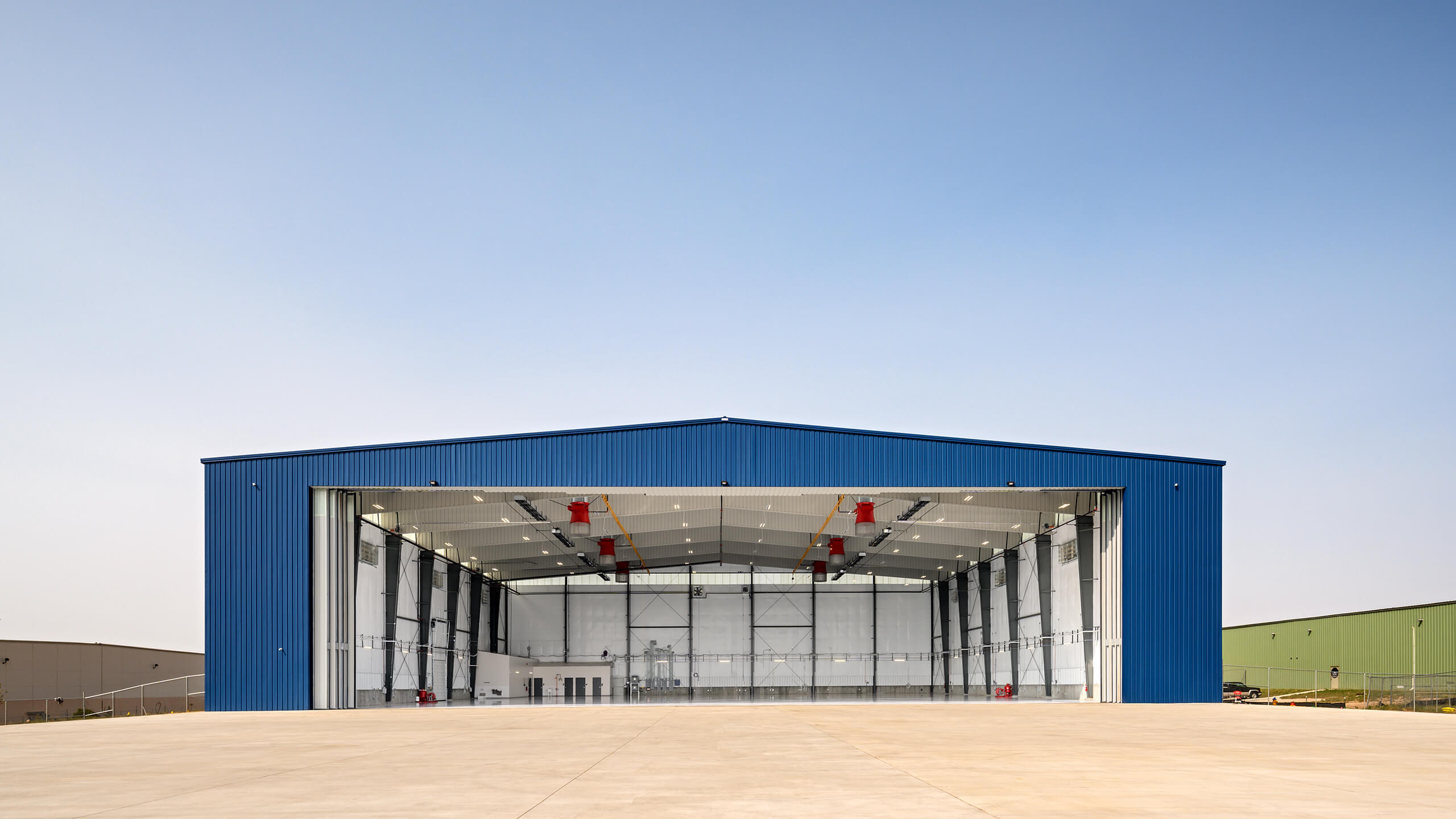
Aerospace & Defense Facility Roofing
Commercial roofing for aerospace and defense facilities in Orlando, FL — Lockheed Martin Missiles & Fire Control, L3Harris, and Northrop Grumman.
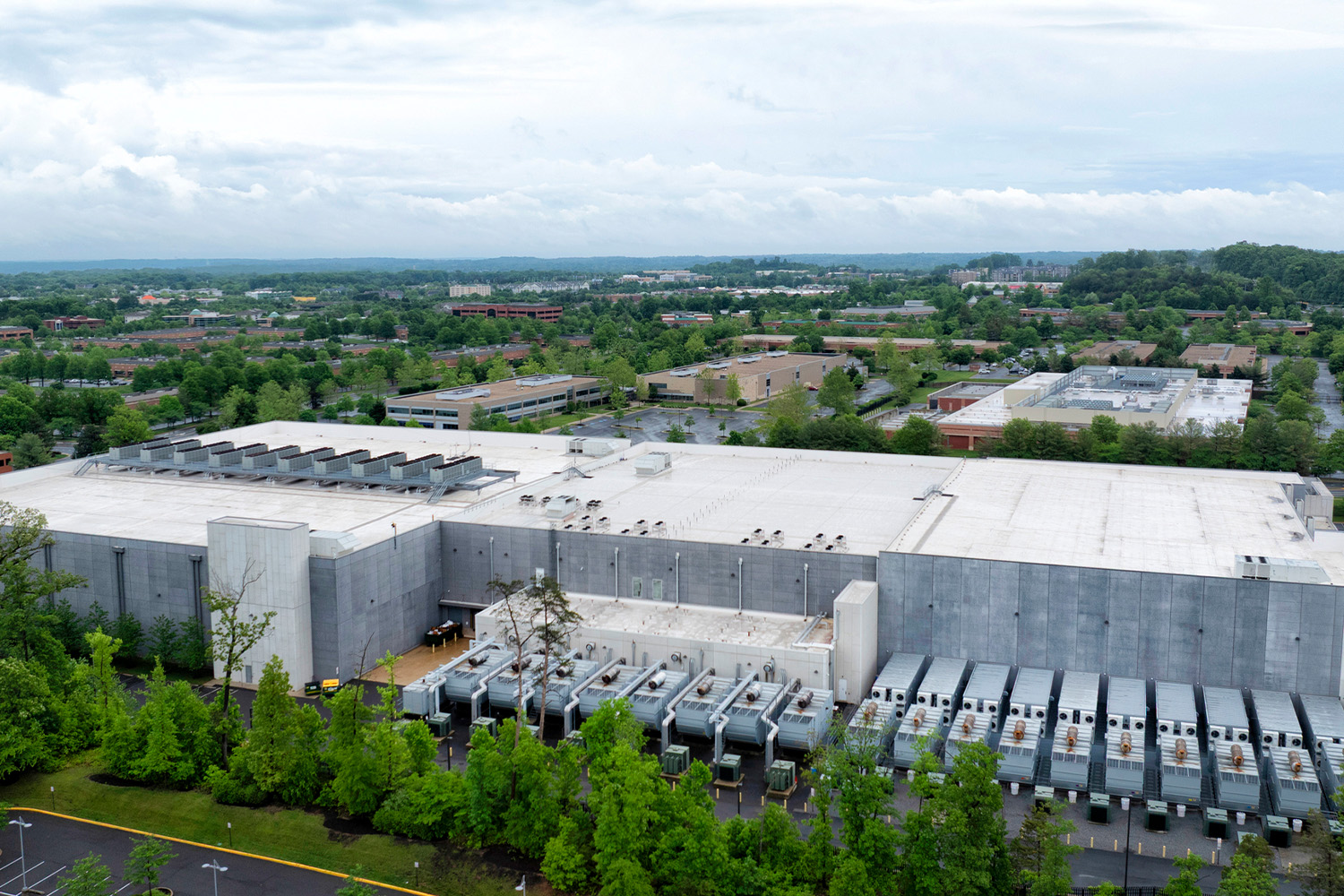
Data Center Roofing
Data center roofing for colocation facilities, server rooms, and mission-critical buildings throughout Orlando, FL.
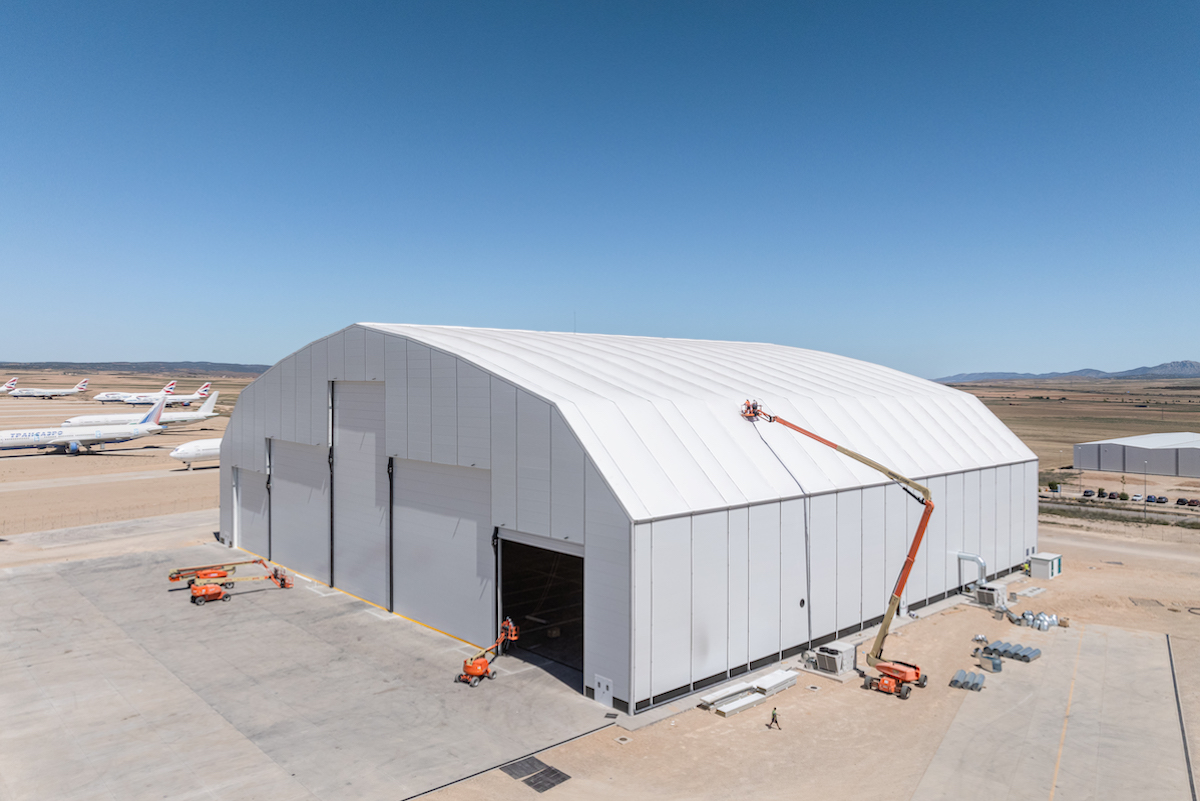
Defense & Simulation Industry Roofing
Commercial roofing for Orlando's defense and simulation industry — Lockheed Martin Missiles & Fire Control, the Modeling Simulation & Training...