
Distribution Center Roofing Orlando, FL | FL Turnpike, I-4, Amazon, Walmart
Property Type
The Florida Turnpike and I-4 interchange zone south and west of Orlando International Airport is one of the Southeast's most active distribution and fulfillment corridors. Amazon, Walmart, and third-party logistics operators in this market cannot afford roof failures during active fulfillment windows — especially the October-December holiday peak.
Distribution center roofing in the Orlando market has a specific operational urgency that other commercial property types do not. When a 600,000-square-foot Amazon fulfillment center or a Walmart regional distribution hub takes water through the roof during active operations, the damage is not just to the building — it is to the inventory, to the fulfillment throughput, and in the worst case, to product destined for customers on a delivery-date commitment. The roof failure consequence at a major fulfillment center during peak season is computable and it is significant.
The Florida Turnpike and I-4 corridor in the OIA airport area — particularly the Osceola County interchange parks at Champions Gate, the Kissimmee logistics corridor, and the Orange County industrial areas along Landstar Boulevard and the Beachline Expressway — has seen substantial speculative and build-to-suit distribution center development through the last decade. Amazon operates multiple fulfillment and sortation facilities in this corridor. Walmart's Southeast regional distribution hub is nearby. Third-party logistics operators serving Central Florida's hospitality supply chain, theme park food and beverage supply, and the metro's general merchandise distribution network have added significant new square footage.
Roof scope notes
Florida Building Code wind-uplift documentation is particularly important at distribution centers because many of the large-footprint buildings in the Turnpike and I-4 corridor sit in Exposure Category C terrain — open land near major interchanges — where the design pressures in the perimeter and corner zones are significant. We pull the FBC exposure category and design pressure before specifying any fastener pattern.
Amazon and National Retailer Distribution Facilities
Amazon operates fulfillment centers, sortation centers, and delivery station facilities across the Central Florida market. These buildings range from 100,000-square-foot delivery stations to 600,000-plus-square-foot fulfillment centers. Amazon's facility standards for third-party contractors working on site include insurance requirements at commercial warehouse coverage limits, safety training compliance, and pre-job alignment with Amazon's facility management team on access protocols and work-window restrictions.
The most consequential constraint on Amazon and similar national retailer distribution facilities is the holiday peak window — roughly October 1 through January 15. No major roof work is possible during this window without explicit facility management authorization, and most facilities prefer to avoid it entirely. Planning roof projects for these facilities means targeting the February-through-September window and building the production schedule with enough contingency to complete before October 1.
Walmart's Southeast regional distribution center — a large build-to-suit facility serving Central Florida retail stores — operates on a different rhythm from e-commerce fulfillment but with similar peak-season constraints around the holiday and back-to-school periods. Walmart's facilities management team for distribution centers operates through Walmart Realty and has specific contractor qualification and documentation requirements that differ from standard commercial building procurement.
FL Turnpike/I-4 Corridor Logistics Parks
The speculative industrial development that has filled the I-4 and Florida Turnpike interchange areas over the last decade has created a significant volume of distribution and logistics buildings in the 100,000-to-400,000-square-foot range, owned by institutional real estate developers — Prologis, Duke Realty (now Blackstone), CBRE Global Investors, and others. These buildings are leased to third-party logistics operators, regional distributors, and specialty fulfillment companies serving the Orlando metro.
Institutional ownership of the building combined with a third-party tenant creates a maintenance responsibility split that we see frequently: the landlord owns the roof and is responsible for replacement and major repair, but the tenant controls building access and operations. Getting a roof replacement done on an institutionally owned distribution center requires coordinating with the landlord's asset management team and the tenant's operations leadership — two separate conversations with different priorities.
The Champions Gate industrial park in Osceola County — a master-planned logistics development at the Florida Turnpike interchange south of I-4 — has added over a million square feet of distribution and light industrial space. Many of these buildings are approaching their first major maintenance window. We run inspection routes through Champions Gate and have documented the condition of multiple buildings in the park.
Large-Footprint Drainage Design and Hurricane Documentation
Distribution centers with footprints of 300,000 square feet or more concentrate drainage demands at a scale that small buildings do not. A 400,000-square-foot building draining through eight internal drains and a perimeter scupper system is moving enormous volumes of water during Orlando's afternoon convective storms. We verify drain count, drain size, drain condition, and hydraulic capacity against the roof area on every distribution center inspection — and we redesign the drainage configuration when the math shows that the current system cannot handle the design storm without ponding.
Ponded water on a large distribution center roof is particularly consequential because the load from water accumulation on a large-span metal deck can be significant. Progressive ponding — where a ponded area depresses the deck slightly, concentrating more water in the depression — can lead to catastrophic deck failure under extreme rainfall events. We document ponding patterns and include a drain redesign recommendation in every scope where ponding is observed.
Post-hurricane inspection at distribution centers in the Turnpike and I-4 corridor should be standard protocol after any named storm event affecting Central Florida. Hurricane Ian's (2022) impact on the Kissimmee Valley and the Osceola County industrial corridor was significant — the northeast quadrant of Ian's wind field produced sustained 60-70 mph gusts across the Champions Gate area, and the rainfall volumes in Osceola County exceeded 8 inches in many locations. Distribution center perimeter membrane and scupper systems took the brunt of both wind uplift and rain overflow events.
How do you sequence a distribution center roof replacement without disrupting fulfillment operations?
Section-by-section tear-off and same-day dry-in, with each section's timing confirmed with operations leadership before work starts. We hold a pre-job meeting with both the landlord's facilities team and the tenant's operations director to establish the daily communication protocol, the access zones, and the escalation contact if production timing needs to change. The operations director gets a written production schedule section by section before we mobilize.
Can a large distribution center roof be replaced before the holiday peak window in October?
Yes, if the project is scoped and contracted early enough. A 400,000 sq ft building requires approximately 8-12 weeks of production under normal conditions. To be complete before October 1, mobilization typically needs to start no later than July 1 — which means contract execution in May or June. We build weather contingency into distribution center schedules during rainy season and track it weekly against the October 1 deadline.
What insurance and documentation does Amazon or Walmart require for contractor access?
National retailer distribution facilities typically require general liability at $1M-$2M per occurrence, workers' compensation, and umbrella coverage at levels that exceed standard commercial requirements. They also require pre-job safety alignment and in some cases contractor management platform enrollment. We carry coverage at commercial warehouse limits and can provide certificates of insurance formatted to the specific retailer's requirements.
How do you handle large-footprint drainage design on a distribution center replacement?
We document drain count, size, and condition during inspection, then run a hydraulic capacity check against the roof area and the design storm for the location. Where the existing drain system cannot handle the design storm without ponding, we include a drain redesign in the replacement scope — new drain locations, overflow scuppers, or drain upsizing — and coordinate the relocation with the building's plumbing engineer.
Keep comparing the scope.
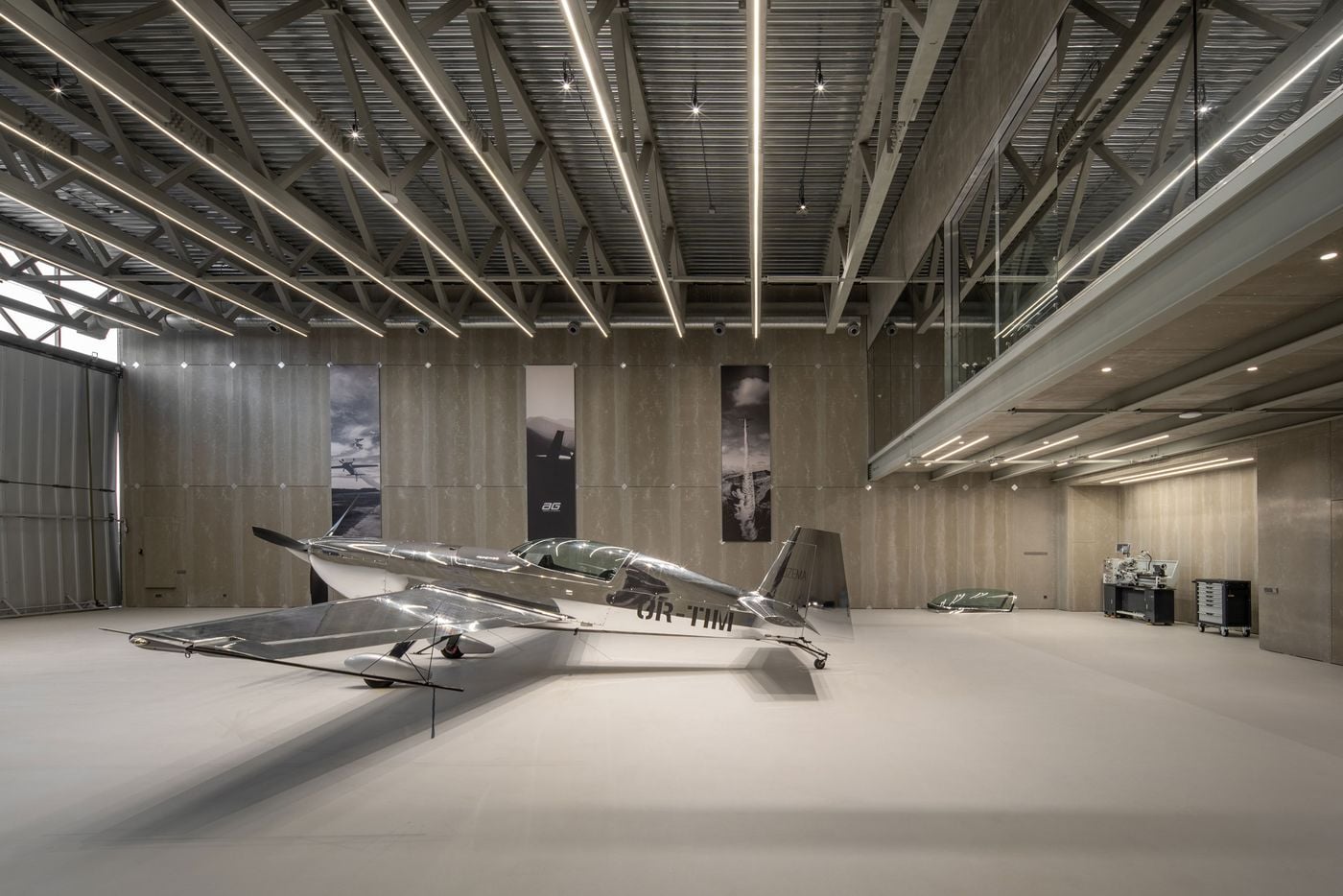
Airport Terminal & Aviation Facility Roofing
Airport terminal and aviation facility roofing in Orlando, FL — Orlando International Airport and surrounding general aviation and cargo facilities.
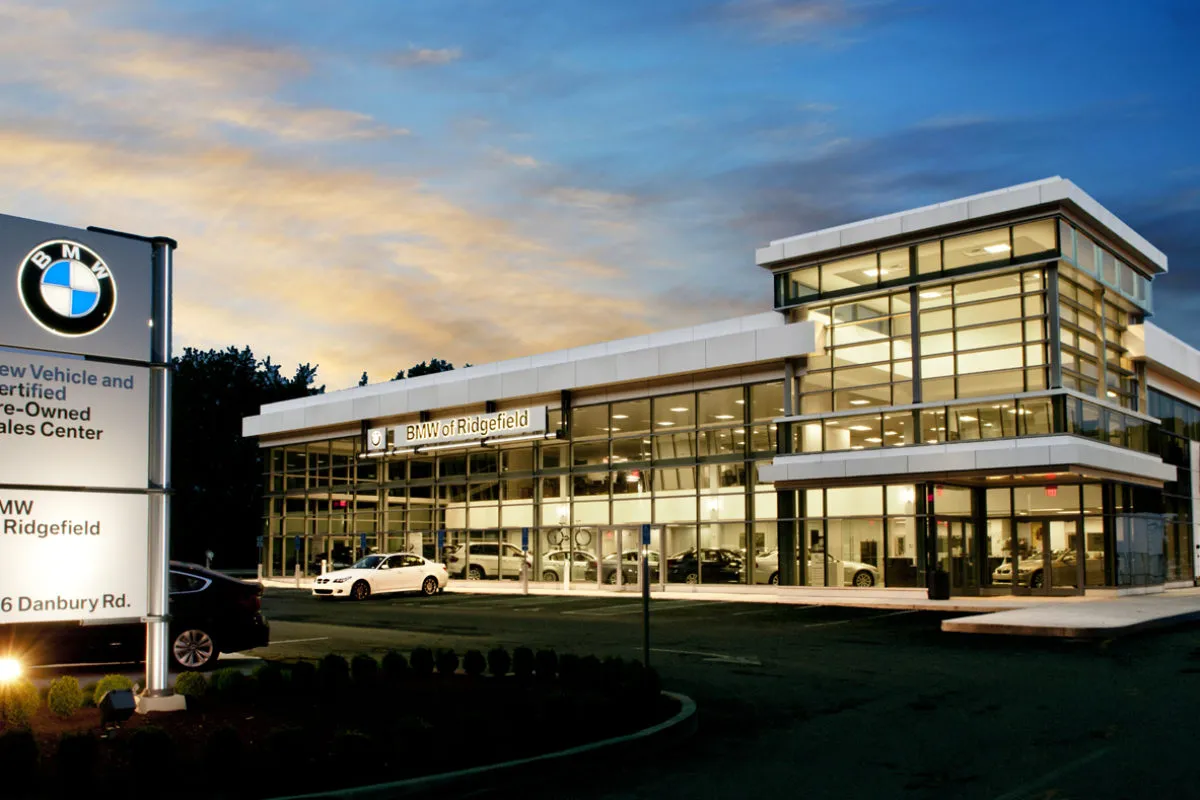
Automotive Manufacturing Facility Roofing
Automotive Manufacturing Facility Roofing in Orlando, FL — commercial roofing for automotive manufacturing facility roofing properties.
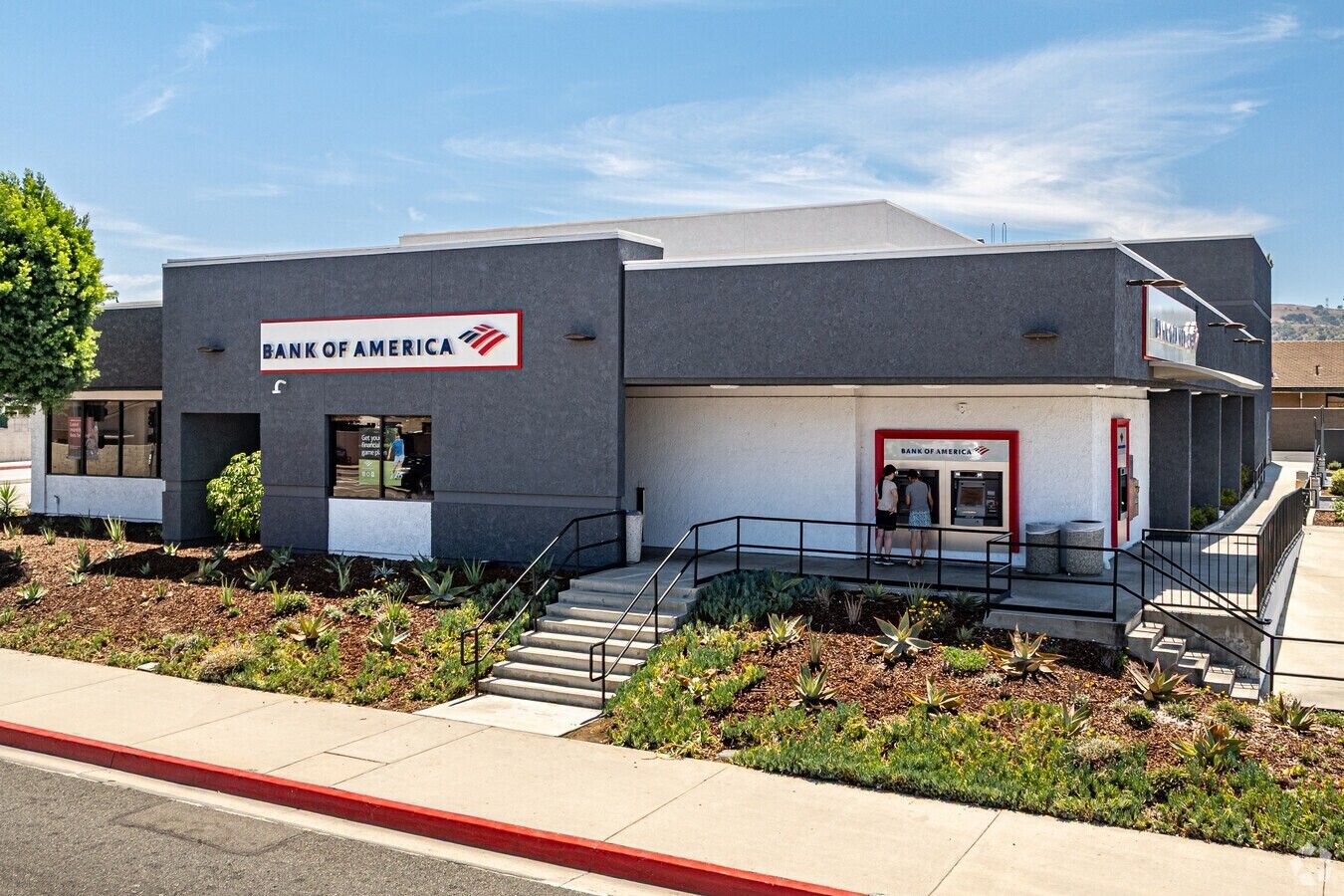
Bank & Financial Building Roofing
Bank and financial building roofing in Orlando, FL. Small high-visibility flat roofs, drive-through canopy detailing, and security-coordinated...