
Commercial Roof Inspections
Service
Every engagement we take on in the Orlando metro starts with a documented roof walk. We put findings in writing — conditions, drainage status, FBC compliance flags, warranty status, and a prioritized action list — before any repair or replacement scope is written.
A roof inspection that produces a verbal summary and a repair quote is not an inspection — it is a sales visit. Our commercial roof inspections produce a written report: photo log keyed to a zone diagram, drain condition and capacity notes, membrane condition by section, flashings documented at every penetration, and a capital action table that distinguishes immediate-need items from 1-year, 3-year, and 5-year horizon items.
We inspect commercial flat roofs across the Orlando metro — Downtown office towers, International Drive hotel properties, Lake Nona Medical City campuses, industrial buildings in the airport corridor, and warehouse stock along the I-4 and Florida Turnpike corridors. The inspection protocol does not change based on building type. The report format can be adapted to what the owner needs: a capital planning exhibit, a pre-purchase due-diligence deliverable, an insurance submission, or a manufacturer warranty-compliance record.
What the Inspection Covers
Membrane condition: We walk every accessible section of the roof surface, documenting blisters, splits, open laps, granule loss on modified bitumen systems, cracking at seams, and areas of ponding discoloration that indicate drain-flow problems. On TPO and EPDM roofs, we probe seams along a sample grid to identify weak-seam locations that are not yet leaking but will be within one or two rain seasons. On modified bitumen and BUR roofs, we note granule loss patterns, alligatoring, and any open flaps at lap edges.
Drainage: We confirm that every drain is clear and free-flowing and document drain bowl condition, clamping ring security, and whether the drain sits at the low point of the surrounding membrane. We look at scupper conditions on buildings with overflow scuppers and document any evidence of ponding — staining, debris deposition patterns, or membrane sag — that indicates the drainage design is undersized for the actual rainfall the roof receives. Orange County averages more than nine inches of rainfall in July alone; a drain that handles a one-inch-per-hour design storm may not handle a two-inch event without ponding.
Flashings: Every parapet wall cap flashing, every penetration flashing — HVAC curbs, pipe boots, conduit penetrations, exhaust fans — and every edge metal condition is documented. Flashing failures are the most common source of leaks in the Orlando commercial building stock, and they are consistently the least-documented item in competitor inspections. We photograph every penetration and rate the flashing condition on a three-tier scale: serviceable, monitor, and repair-now.
Report Formats We Produce
Capital planning report: The standard deliverable for ongoing maintenance clients and property managers. Includes the full photo log, the zone diagram with conditions keyed by location, the drain condition table, the flashing condition table, and the four-horizon action list with estimated cost bands. Suitable for building in the annual capital budget cycle and for conversations with lenders at refinancing.
Pre-purchase condition assessment: For buyers and their brokers and lenders evaluating an Orlando commercial building. We walk the roof before closing and produce a report that identifies conditions that should be in the purchase negotiation — deferred maintenance with an estimated repair cost, warranty status and remaining term, and a reroof timing estimate. This report format is also used by property managers taking on a new management contract who need to document inherited conditions.
Post-storm documentation: After a hurricane or named tropical storm affects the Orlando metro, we mobilize for post-event inspections on buildings with maintenance contracts and, where schedule allows, on new buildings that call in. The post-storm report follows an insurance-documentation format: event date, wind speed reference, observed damage keyed to the zone diagram, pre-existing condition distinctions, and a repair scope with line-item cost. This format is designed to support the building owner's insurance submission without overstating or understating the event-related damage.
Orlando-Specific Conditions We Look For
Post-hurricane perimeter uplift: After every Central Florida hurricane event, we see perimeter membrane separation at buildings that appear to have no damage from the ground. The FBC wind-uplift requirements for perimeter and corner zones require significantly denser fastening than field-zone requirements — when that fastening was marginal at installation, a 70-80 mph event will lift the perimeter without blowing off the whole section. We inspect perimeter attachment after every wind event on our maintenance-contract buildings.
Karst-related parapet cracking: Orange County's karst limestone geology produces minor foundation movement in many buildings — not dramatic sinkhole events, but gradual settlement that stresses rigid concrete parapet walls. We look for crack patterns in parapet walls that indicate differential movement, because those cracks propagate to the cap flashing and waterproofing at the parapet-to-roof joint. On older Downtown Orlando concrete buildings, this condition is more common than owners expect.
Rainy-season drain overload: Orlando's afternoon convective storms regularly exceed the design storm intensity that most drain systems were sized to. We calculate the drain capacity against the roof area and the local rainfall intensity to identify buildings where the drain system is structurally undersized for current Orlando NWS intensity data — not just blocked, but undersized. This condition requires drain addition or enlargement, not just cleaning.
How often should a commercial flat roof be inspected in Orlando?
We recommend annual inspection for most Orlando commercial buildings, with an additional post-storm inspection after any event that produces sustained winds above 50 mph across the metro. In Florida's climate, deferring to every-two-years inspection compresses the window between a developing condition and a claim-level failure. Buildings under manufacturer warranty should check the warranty document — most NDL warranties require annual documented inspection to stay in force.
What does a commercial roof inspection cost?
For a single building under 50,000 sq ft, a standard inspection and written report runs in the $400-$800 range depending on complexity, roof access conditions, and report format. Portfolio inspections on multiple buildings in the same ownership group are priced on a per-building basis with a volume discount. Pre-purchase inspections are priced to include the expedited turnaround typically required in a transaction timeline. We give a firm price before the site visit.
Do you inspect roofs you did not install?
Yes. Most of the buildings we inspect in the Orlando metro were originally roofed by other contractors — some of them no longer operating. We inspect any commercial flat roof regardless of who installed it. If the building has an active manufacturer warranty from another installer, we can inspect to the manufacturer's compliance format; the owner provides us the warranty document.
Can a roof inspection report be used for an insurance claim?
A post-storm inspection report we produce is formatted to support an insurance submission — event date reference, damage keyed to zone diagram, pre-existing condition distinctions, and a repair scope with line-item cost. Florida's post-AOB reform environment has made documentation quality more important in claim resolution. We do not act as public adjusters and do not represent the insured in the claim process; we provide factual condition documentation that the owner or their representative can present.
Schedule a written roof inspection for your Orlando building.
Our project managers walk the roof, document every condition in a written report, and hand you an action list organized by urgency and cost horizon — not a repair quote built from a verbal summary.
Keep comparing the scope.
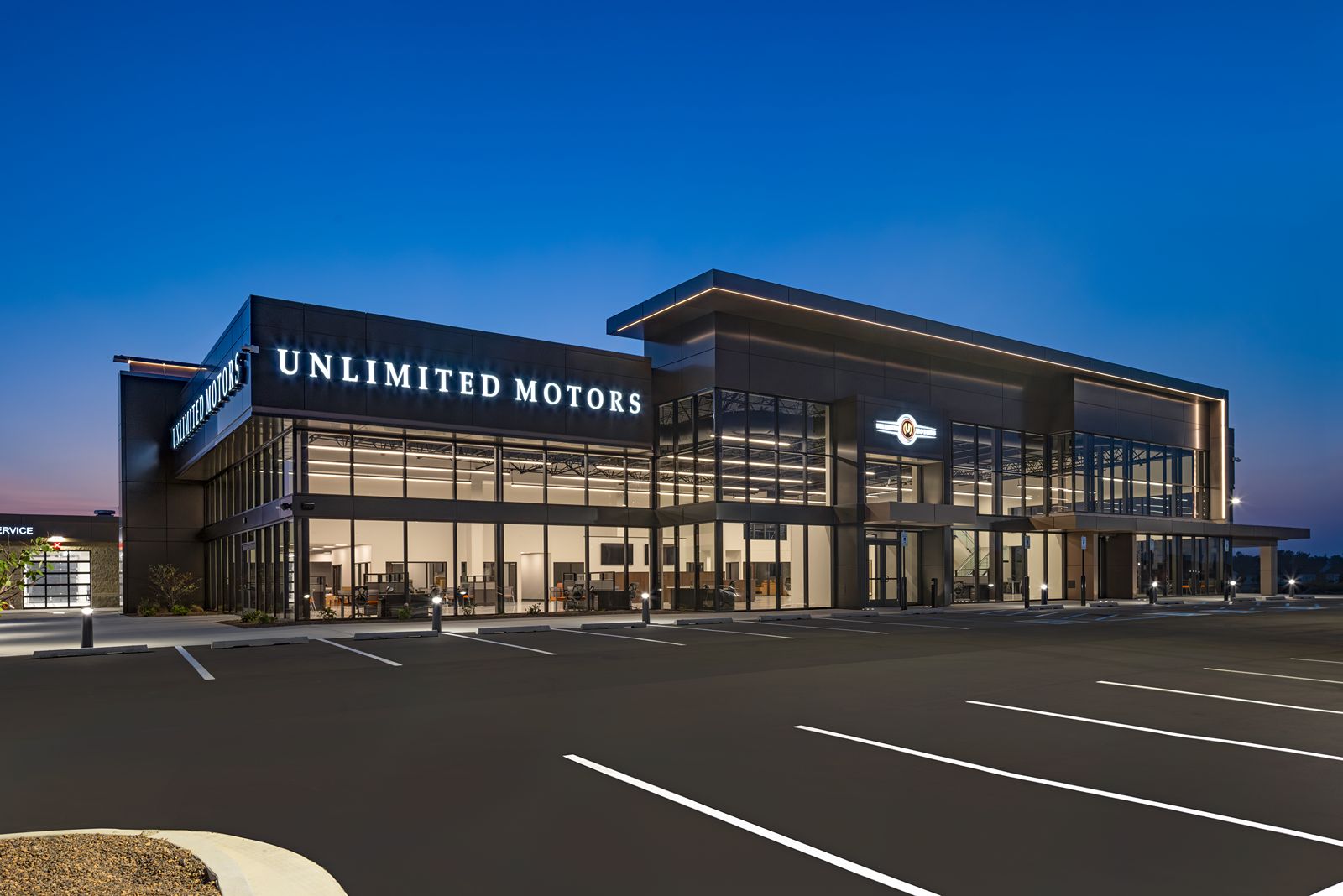
Auto Dealership Roofing
Commercial roofing for auto dealerships, car lots, service centers, and automotive facilities throughout Orlando, FL.
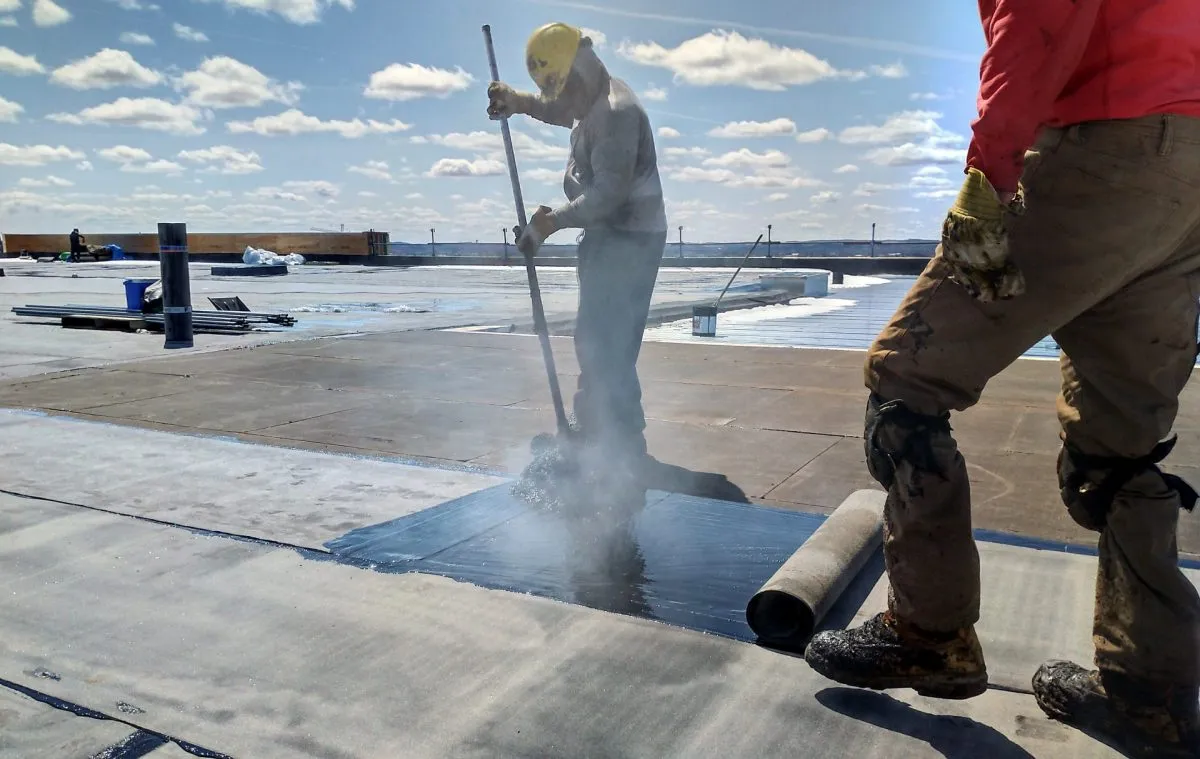
Built Up Roofing
BUR assessment, targeted repair, recover, and replacement for aging Orlando commercial buildings — honest recover-vs-replace guidance with moisture...
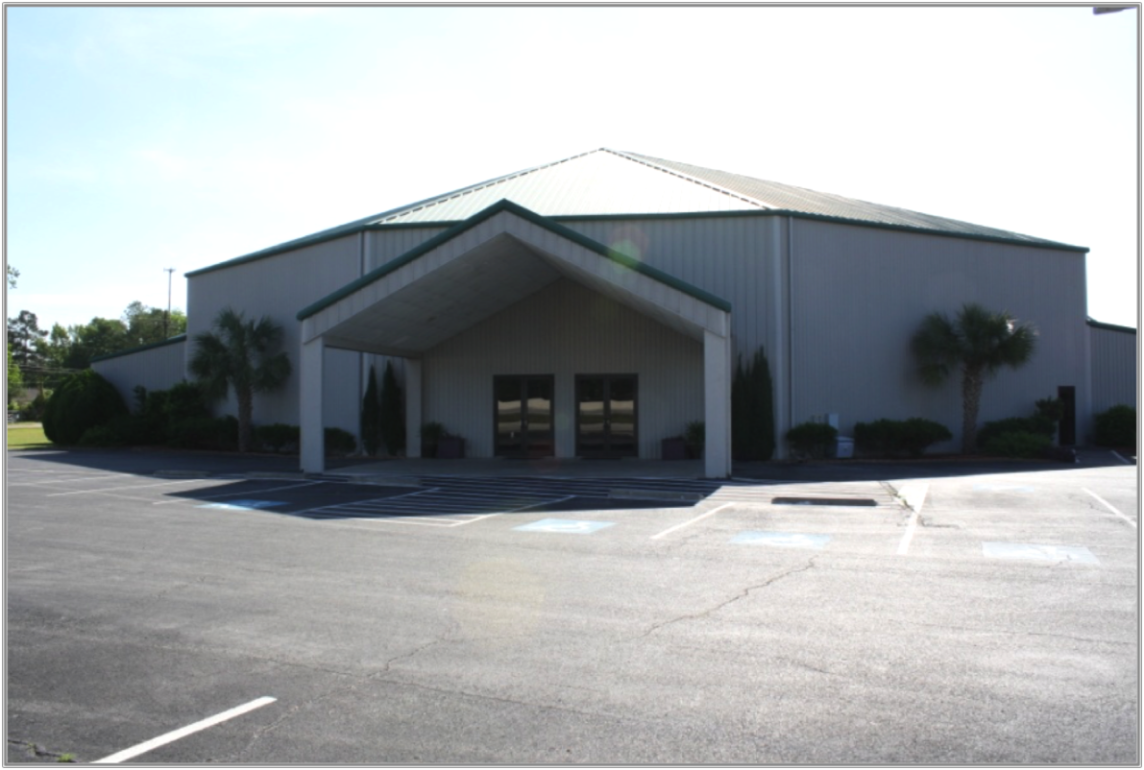
Church and Religious Building Roofing
Commercial roofing for churches, worship centers, and religious facilities throughout Orlando, FL.