
Commercial Roof Leak Repair
Service
A ceiling stain in an Orlando commercial building can originate from a membrane failure, a flashing separation, a drain backup, an HVAC condensate line, or a parapet wall crack. We trace the water path to the actual source before any repair is done — because patching the wrong location guarantees a repeat call.
The most expensive commercial roof leak repair is the one done twice. The second call is always more expensive than the first would have been if the source had been properly traced. The reason for that pattern is straightforward: the easiest and fastest thing to do when a building owner calls about a ceiling stain is to look directly above the stain, find a membrane condition that looks plausible, patch it, and leave. Sometimes that works. Often it does not — because water in a commercial flat roof assembly travels horizontally between the membrane and the insulation or between the insulation and the deck, and the stain below may be many feet from the actual entry point.
Our leak diagnosis starts above the stained ceiling, not at the stain. We trace the water path — looking at the roof directly above the stain for obvious membrane conditions, then walking the drains, flashings, and penetrations in the surrounding zone, then probing the membrane at seam locations in a grid pattern outward from the stain location. For complex or persistent leaks, we use infrared scanning to map the wet insulation pattern and core-pull to confirm the extent of saturation. That data tells us where the water entered, not just where it ended up.
Common Leak Sources in Orlando Commercial Buildings
Flashing failures at penetrations: HVAC curb flashings, pipe boot flashings, and conduit penetration flashings are the highest-frequency leak source in the Orlando commercial building stock. These flashings are subject to UV degradation, thermal cycling, and — on buildings in the International Drive and Lake Nona medical campus clusters — heavy foot traffic from HVAC maintenance crews who step directly on the flashing seams. A curb flashing that has separated at the base of an HVAC unit can leak invisibly for an entire rainy season before the insulation saturation reaches the deck and produces a ceiling stain.
Parapet wall cap flashing failures: Orlando has a significant stock of older commercial buildings with concrete masonry unit parapet walls — particularly in the Downtown, SODO, and Orange Avenue commercial corridor. The cap flashing at the top of a CMU parapet is a critical waterproofing joint; when the cap flashing lifts, cracks, or fails at the seam, water enters the wall cavity and can travel down to the roof-to-wall flashing joint where it infiltrates the roof assembly. We look at parapet cap flashing conditions on every leak diagnosis call in older Downtown and South Orange Avenue buildings.
Open seams in single-ply membrane: TPO and EPDM membrane seams that were marginal at installation — welded at a temperature or speed outside the manufacturer's specified range — can hold for several years before separating under thermal cycling and UV loading. In Orlando's high-UV, high-temperature environment, marginal seams fail faster than in northern climates. We use a probe wheel to test seam integrity along the membrane in the zone surrounding a reported leak location.
Our Repair Approach
We do not do temporary patches as a standard repair method. A temporary patch with peel-and-stick or butyl tape may be appropriate as emergency dry-in while the owner's insurance process is pending, or while a permanent repair is being scheduled around tenant occupancy constraints. But when we write a repair scope, it specifies a permanent repair method consistent with the membrane system — TPO flashing replacement heat-welded to the field membrane, EPDM seam repair with compatible bonding adhesive and cover strip, modified bitumen flashing replacement torch-applied or cold-applied to the field cap sheet.
Every repair we do is documented in a written repair report: the defect location keyed to the roof zone diagram, the diagnosed source and water-travel path, the repair method and materials used, and a photo set of the completed repair. That report goes into the building's maintenance file and into the manufacturer's warranty record if the building is under an active NDL warranty.
For buildings under a manufacturer's warranty where the leak is at a detail that may be the manufacturer's or installer's responsibility, we also help the owner navigate the warranty claim process — documenting the defect in the format the manufacturer requires and coordinating with the manufacturer's field representative if the claim requires manufacturer inspection.
When a Leak Indicates a Larger Problem
A single isolated leak at a flashing penetration on a 10-year-old roof in otherwise sound condition is a repair call. A building that has had three leak calls in two years, or that presents with multiple wet seams when we probe the surrounding field membrane, is telling a different story — the membrane is approaching end of service life, and each leak repair is buying time against a systematic replacement decision.
We are direct about this when we see it. If the repair we are being asked to do will last 18 months and the building is looking at a replacement decision anyway, the owner needs to hear that before they spend money on a repair that does not change the trajectory. We write the repair and make the recommendation — the owner decides how to proceed, but they decide with the actual data.
How do you find the actual source of a roof leak when the stain is in the ceiling?
We start directly above the stain and work outward. We look for obvious membrane conditions, then probe seams in the surrounding zone, then check every penetration and flashing within a 20-foot radius. For persistent or complex leaks, we use infrared scanning to map the wet insulation pattern — saturated insulation shows as warm zones against the cooler dry field, and the pattern indicates the entry point and the travel path. Physical moisture cores confirm the scan.
Can you do roof leak repairs during business hours without disrupting tenants?
Most flat roof leak repairs do not require interior access during the repair. The work is on the roof surface, and disruption to tenants below is limited to the sound of foot traffic and equipment. For repairs that require hot-work — torch-applied materials — we coordinate with the building's property manager and provide the required hot-work permit documentation. Buildings with laboratory or medical-use tenants may have additional access restrictions we plan around.
What if the same area has leaked multiple times?
Repeat leaks in the same location usually mean the repair addressed the symptom rather than the source. We approach repeat-leak calls with a broader diagnostic scope — tracing the water path more extensively and looking at related conditions in the surrounding zone. If the repeat leak is at a detail that is fundamentally compromised — a drain that is improperly flashed at the deck level, a parapet wall joint that has structurally separated — we will tell you that the correct fix is different from what has been done previously.
Does leak repair work require a building permit in Orlando?
Minor repairs at individual penetrations or seam locations generally fall below the permit threshold. Larger repair projects — replacing a substantial area of flashing, relaying membrane over a significant zone — may require a permit depending on the scope and jurisdiction. We identify permit requirements when we write the repair scope, not after the work is done.
Commercial roof leaking in Orlando? Let us find the actual source.
We trace the water path, write a repair scope, and document the completed work in a written report — so the leak does not come back and your maintenance file has an accurate record.
Keep comparing the scope.
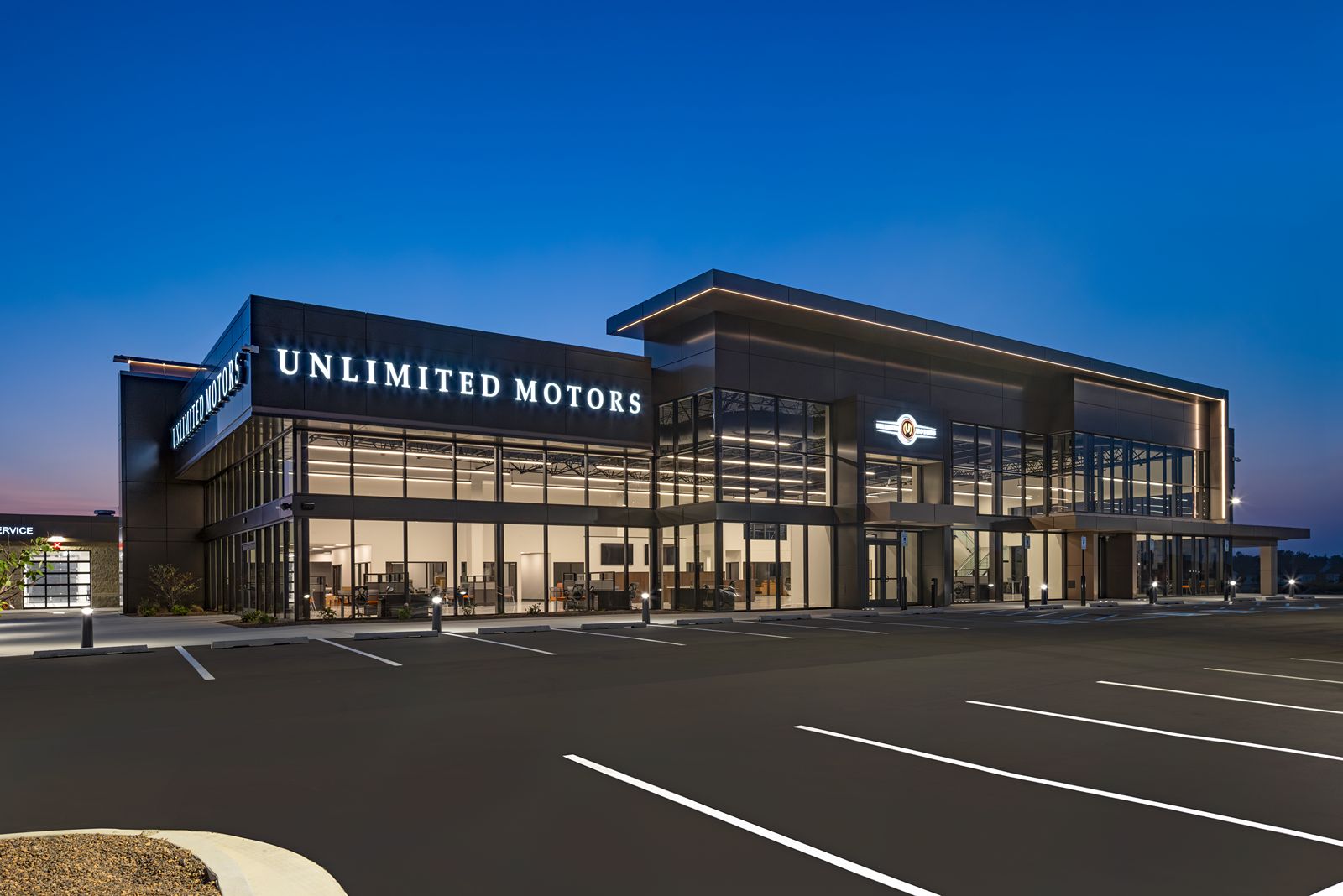
Auto Dealership Roofing
Commercial roofing for auto dealerships, car lots, service centers, and automotive facilities throughout Orlando, FL.
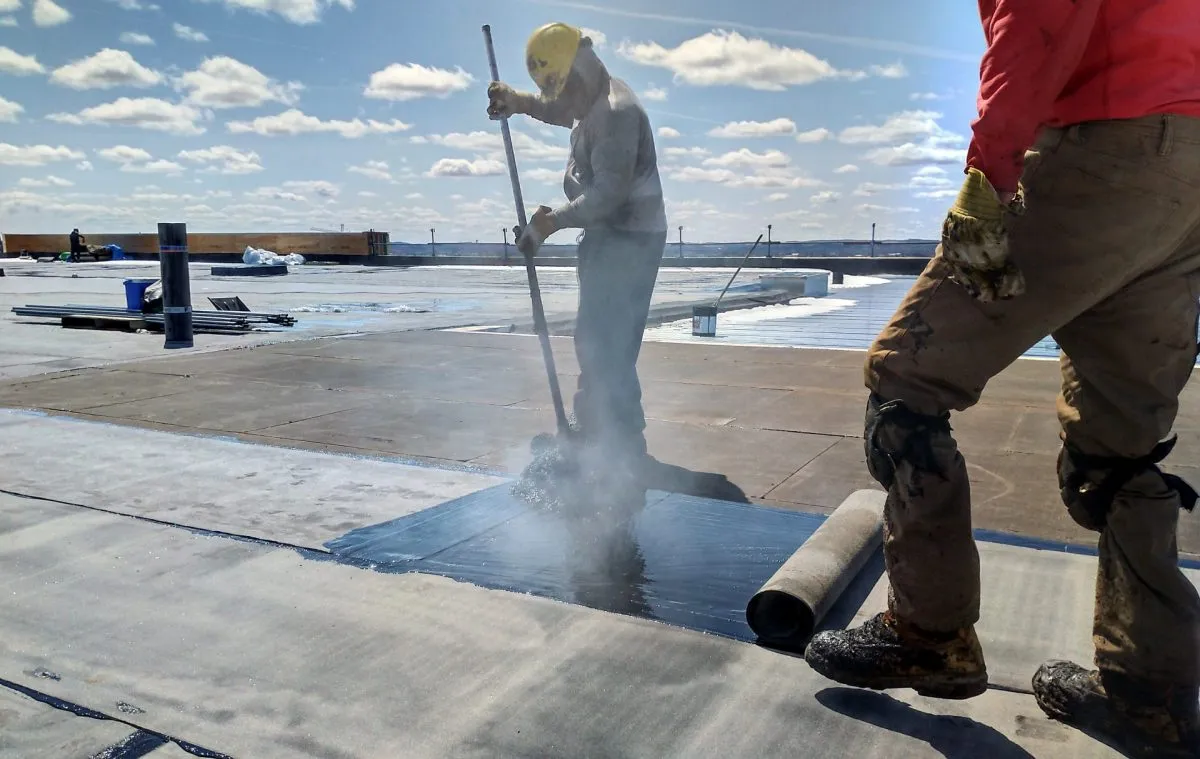
Built Up Roofing
BUR assessment, targeted repair, recover, and replacement for aging Orlando commercial buildings — honest recover-vs-replace guidance with moisture...
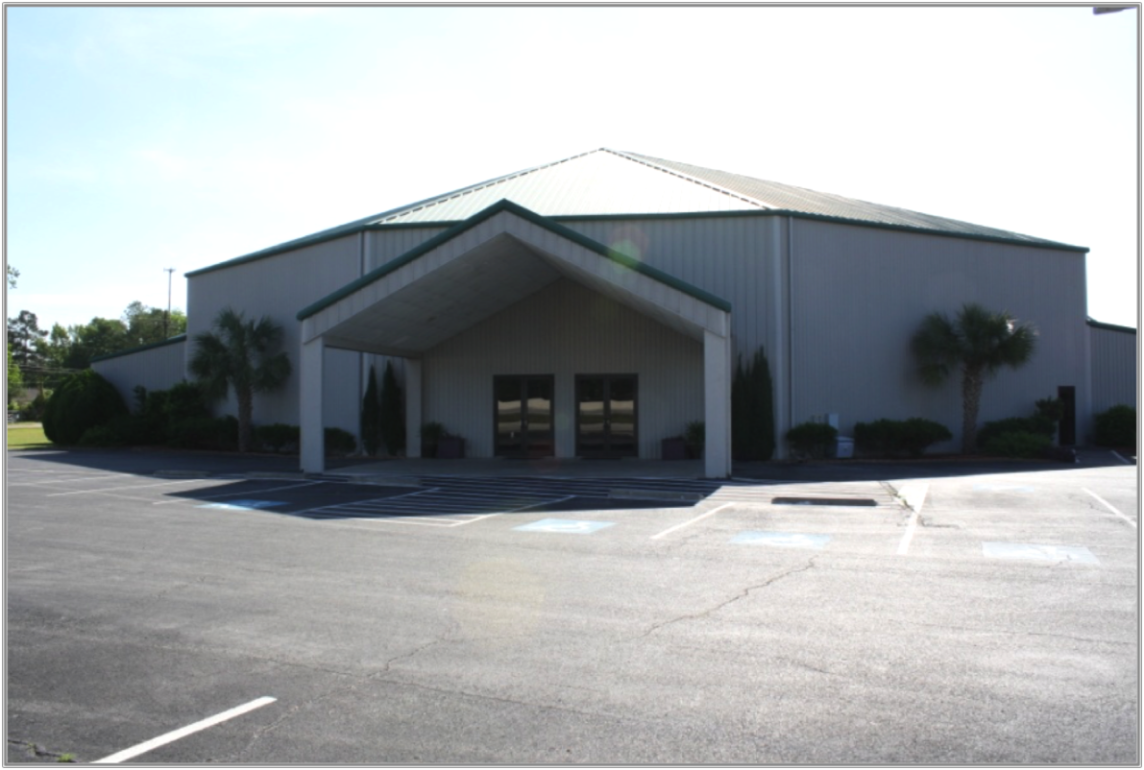
Church and Religious Building Roofing
Commercial roofing for churches, worship centers, and religious facilities throughout Orlando, FL.