
Third-Party Roof Quality Inspection
Capability
Independent inspection of commercial roof installations in Orlando — seam testing, fastener pattern verification, FBC compliance confirmation, and manufacturer warranty pre-inspection before the installing contractor closes out.
The installing contractor has a built-in incentive to find their own work acceptable. Third-party quality inspection is independent — I am hired by the building owner, I answer to the building owner, and my assessment of the installation's compliance with the specification and the Florida Building Code is not filtered through the contractor's interest in receiving final payment.
In the Orlando market, the stakes for a non-compliant commercial roof installation are higher than in most U.S. markets. FBC wind-uplift requirements for Orange and Osceola County buildings are more demanding than non-hurricane-exposed markets. An installation with a fastener pattern that does not meet the FBC field zone requirement is a roof that will fail in the wrong storm — not might fail, will fail, at some point in the building's exposure to hurricane-force wind loads that Central Florida receives on average every several years. An installation with seams that are not fully welded is a warranty claim in progress.
What Third-Party Inspection Covers on a Florida Commercial Roof
Seam integrity is the first inspection priority. TPO and PVC seams are heat-welded; a properly welded seam should show a full, consistent weld across the full width of the seam with a visible bead at the edge. I use a 5-lb test wheel to probe every accessible seam, pulling from the seam edge to test bond strength, and flag any seam that shows separation or incomplete weld. Seam failures in the Orlando climate are accelerated by UV degradation of TPO membrane — a marginal weld that passes a visual inspection today may open in two to three seasons under Florida UV load.
Fastener pattern verification is the second priority, and it is specific to Florida's FBC wind-uplift requirements. The approved shop drawing specifies fastener rows, spacing, and fastener density by zone — field, perimeter, and corner. I spot-verify fastener placement against the approved drawing in each zone. Perimeter and corner zone fastener density is the critical compliance item: FBC requires significantly denser fastening in these zones than in the field, and crews working under time pressure sometimes apply field-zone patterns in perimeter zones. This is the failure mode that produces perimeter membrane lift in the first significant wind event.
Flashing installation at penetrations, parapets, and drains is the third inspection area. Florida Building Code and manufacturer installation standards specify flashing height, lap dimension, and termination method at each detail type. I check flashing termination height at parapets (minimum 8 inches above the finished roof surface for most systems), flashing laps at penetrations (minimum 6-inch overlap on the base flashing), and drain bowl to membrane integration. Flashing details that are undersized save the contractor time at installation and cost the owner significant warranty and water-intrusion expense later.
Manufacturer Warranty Pre-Inspection
Every major manufacturer requires a warranty inspection by a manufacturer's field representative before the NDL warranty is issued. This inspection is the manufacturer's quality control mechanism — and any finding at that inspection that requires correction has to be resolved before the warranty is issued. If the punch list from the manufacturer's inspection is significant, the contractor may need to return for another inspection before the warranty certificate is generated.
A third-party quality inspection before the manufacturer's inspection serves the owner by identifying the likely manufacturer findings in advance, so they can be resolved before the manufacturer's field rep makes the trip. A manufacturer's inspection that finds no deficiencies closes out cleanly. A manufacturer's inspection that finds multiple deficiencies requires contractor remediation and a re-inspection, which delays warranty issuance, delays project closeout, and creates a documented deficiency record in the manufacturer's file for that building.
Post-Storm Inspection for Insurance and Warranty Purposes
After a named storm or significant wind event affecting the I- area, building owners need an independent assessment of roof condition that can support an insurance claim, a warranty claim, or a determination that no claim is needed. That assessment has to distinguish event-related damage from pre-existing condition — a distinction the owner's insurance carrier and the manufacturer's warranty desk will both scrutinize.
Post-event inspections I conduct document condition with a photo log keyed to the roof zone diagram, note the event date and the inspection date, identify each observed condition with a classification of event-related damage versus pre-existing condition based on weathering pattern and membrane condition at the area, and produce a written report suitable for submission to the insurance carrier or warranty desk. The report does not advocate for a claim outcome — it documents what is present and lets the carrier and warranty desk make the coverage determination from a factual record.
After Hurricane Ian (2022), multiple Orlando-area commercial buildings in the Lake Nona and south Orange County corridor had roof conditions that were attributable to Ian's wind and rainfall loads — but the buildings had not been inspected before Ian, so there was no pre-storm baseline. Where there is a pre-existing maintenance inspection record, the post-storm comparison is clean. Where there is not, the inspection has to work harder to establish what the storm likely caused versus what was already present.
Can you inspect a roof that is currently under warranty by the installing contractor?
Yes. An independent third-party inspection during the warranty period does not void the warranty — the inspection observes and documents, it does not alter the installation. If the inspection finds a condition that warrants warranty service, the owner submits the documented condition to the contractor and the manufacturer. The independent documentation strengthens the warranty claim, not weakens it.
What tools do you use for seam testing?
5-lb test wheel for mechanically probing seam edges, straight-blade inspection at seam laps to check for incomplete weld, and visual inspection with magnification at any area where UV degradation or discoloration suggests potential seam separation. For EPDM seams, the test method is different — adhesive-bonded seams are probed differently than heat-welded TPO/PVC seams.
How long does a third-party quality inspection take?
For a 50,000 sq ft commercial flat roof in standard condition: approximately 3-4 hours for the roof walk plus 1-2 hours for the written report. Larger roofs and roofs with complex penetration or equipment layouts take longer. Post-storm inspections may take longer because condition documentation is more detailed.
What is the relationship between a third-party quality inspection and the Florida Building Code inspection process?
These are separate processes. The FBC inspection is conducted by the jurisdiction's building department inspector and focuses on code compliance at the mandatory inspection stages. A third-party quality inspection is conducted for the building owner and covers the full installation quality against the specification, not just code minimums. Both are useful; they serve different purposes and neither substitutes for the other.
Want an independent quality review of your Orlando commercial roof installation?
We inspect against the specification, test seams, verify fastener patterns to FBC requirements, and produce a written report — before the manufacturer's warranty inspection and before the contractor is off the job.
Keep comparing the scope.
Commercial Roof Bid Coordination in
Structured competitive bid coordination for Orlando commercial roof projects — bid-package preparation, contractor qualification, scope leveling, and...
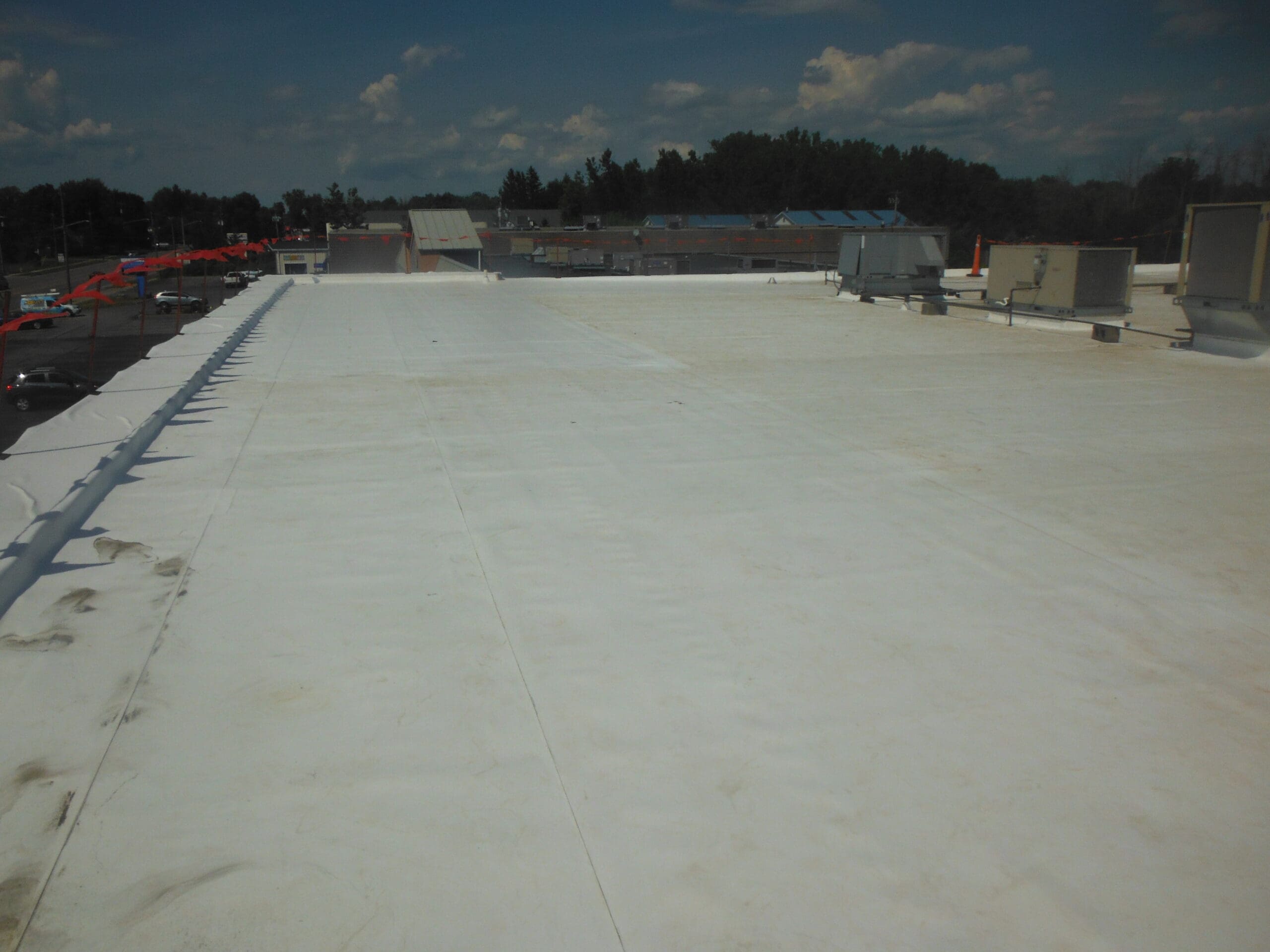
Commercial Roof Inspections
Documented commercial roof inspections for Orlando-area buildings — condition reports, drain assessment, FBC compliance status, and photo logs keyed...
Commercial Roof Life-Cycle Cost Analysis
Life-cycle cost analysis for Orlando commercial roof decisions — total cost of ownership modeling for replacement, recover, and coating options...