
Theme Park & Tourism Roofing
Industry
Orlando's theme park resort complex is the largest concentration of commercial hospitality and entertainment square footage in North America. Walt Disney World alone covers more than 25,000 acres with thousands of commercial buildings — hotels, retail districts, entertainment venues, backstage operations facilities. Roofing these properties requires scheduling around annual park attendance cycles, franchise-standard documentation, and wind-uplift design that accounts for the Florida Building Code's hurricane exposure requirements.
I work on commercial roofing in an industry that Orlando essentially invented at scale. The Walt Disney World resort, Universal Orlando Resort, SeaWorld Orlando, and the Disney Springs shopping and entertainment district represent a category of commercial real estate that does not exist at this density anywhere else in the United States. These properties run at occupancy rates that compress the windows available for roof work into off-peak hotel cycles, park maintenance seasons, and nighttime access windows that are set by the resort's own facility standards.
The operational constraints in this industry are real and specific. Disney Springs landlord standards govern closeout documentation requirements for any building on the Disney Springs campus. Universal Orlando's facility team manages their own vendor credentialing process before any contractor gets access to backstage or resort-hotel rooftop areas. SeaWorld's animal care areas impose noise and vibration restrictions that are documented in advance and enforced by SeaWorld's own facility coordinators. Working in this industry means working within these frameworks, not around them.
Walt Disney World Resort — Scale, Access, and Scheduling
Walt Disney World's resort complex encompasses four theme parks, two water parks, more than 30 resort hotels, Disney Springs, ESPN Wide World of Sports, and hundreds of backstage operations buildings. The resort hotels along World Drive and Hotel Plaza Boulevard range from large convention hotels like the Walt Disney World Swan and Dolphin (managed by Marriott under Disney licensing) to value resorts like All-Star Movies and All-Star Sports — each with distinct facility standards and access protocols.
Scheduling roofing work at Disney World properties follows the resort's annual occupancy pattern. Peak summer season, Thanksgiving week, Christmas-to-New Year's week, and spring break windows are generally unavailable for work on guest-facing hotel rooftop areas — the hotels run at or near 100% occupancy and the access and noise requirements cannot be met. The workable windows are typically late January through mid-February, parts of September, and late October. Backstage operations buildings — laundry facilities, food service warehouses, costume care buildings — have more flexible access because they are not guest-adjacent, but they are still within the Reedy Creek Improvement District jurisdiction, which maintains its own permitting and inspection process separate from Orange County.
The Reedy Creek Improvement District (now the Central Florida Tourism Oversight District following the 2023 Florida legislation) operates its own building code enforcement with inspectors who know the Disney property inventory. Commercial roofing permits on Disney property are pulled through CFTOD, not Orange County Building Division. The FBC requirements are the same — CFTOD enforces FBC — but the permit intake, inspection scheduling, and closeout process runs through CFTOD's offices. We are familiar with this process.
Universal Orlando Resort and Comcast NBCUniversal Properties
Universal Orlando's two theme parks — Universal Studios Florida and Islands of Adventure — plus the CityWalk entertainment district and the growing resort hotel campus on the northwest side of the property represent a dense commercial real estate footprint in the Turkey Lake Road and Universal Boulevard corridor. Universal's resort hotels, including the Loews Portofino Bay, Hard Rock Hotel, and the newer Sapphire Falls and Endless Summer properties, are managed by Loews Hotels under the Universal brand standard.
Universal's facility management team maintains a vendor approval process for contractors working on resort-hotel and theme park properties. Pre-project credentialing — proof of insurance, contractor license documentation, safety plan submission — is required before access is granted to the resort hotel complex. This is not unusual in a brand-managed hospitality environment, but it means the project timeline includes a credentialing lead time that does not exist on a standard commercial building.
Universal Orlando's Epic Universe park, which opened in , adds another major commercial campus to the Universal facility portfolio. The park infrastructure buildings, guest service facilities, and the associated hotel development along Destination Parkway represent a wave of newer construction that will be entering first warranty maintenance cycles in the coming years.
SeaWorld and the International Drive Corridor
SeaWorld Orlando's campus off Central Florida Parkway operates under animal care standards that impose noise and vibration restrictions on construction activity near animal habitats. Roofing work on buildings adjacent to animal habitats — holding facilities, veterinary buildings, life support systems buildings — requires pre-construction coordination with SeaWorld's animal care leadership to identify which areas are acoustically or vibrationally sensitive. This is not a bureaucratic requirement — the animal welfare basis for it is real, and SeaWorld's facility team enforces it.
The International Drive corridor that runs from Sand Lake Road south through the SeaWorld area to the OCCC is the backbone of Orlando's tourism commercial real estate. Restaurants, retail, entertainment venues, and the attraction buildings along I-Drive represent a mix of independent operators and branded properties with varying facility standards. Most of the commercial stock along I-Drive was built in the 1990s and early 2000s and is in active reroof or major repair cycles. The density of commercial building along this corridor and the high tourist foot traffic mean that roofing production windows are often limited to early morning or overnight access — we have the crew scheduling flexibility to work within these windows.
Do you work within the Central Florida Tourism Oversight District (formerly Reedy Creek) for Disney property roofing?
Yes. Commercial roofing permits on Walt Disney World property are pulled through CFTOD, which enforces the Florida Building Code but operates its own permit intake and inspection scheduling process. Our project managers are familiar with CFTOD's permit requirements and inspection cadence. We do not treat a CFTOD permit like an Orange County permit — the forms, contacts, and inspection sequence are different.
How do you schedule roofing work around peak resort occupancy?
We plan production windows around the resort's annual occupancy calendar. Peak summer, Thanksgiving, Christmas-to-New Year's, and spring break are generally unavailable for guest-facing hotel roof work. We identify the workable windows — typically late January through mid-February and September through October — and build the project schedule around them. Backstage and operations buildings have more scheduling flexibility.
Can you work on rooftop areas with FBC wind-uplift requirements at theme park resort buildings?
Yes. Every commercial building in Orange County, including resort hotels on Disney and Universal property, is subject to Florida Building Code wind-uplift design requirements. We design fastener patterns, membrane attachment, and perimeter edge metal to FBC design pressures for the building's exposure category and height. The brand's facility standard does not replace FBC compliance — both have to be met, and our closeout documentation covers both.
What is your experience with Disney Springs or Universal CityWalk retail and entertainment buildings?
We have experience with the landlord standard documentation requirements and access protocols for Disney Springs campus buildings. Universal CityWalk properties are managed under Universal's facility credentialing framework. Both require advance credentialing and closeout documentation that goes beyond a standard commercial building permit package — we have the project management process to handle it.
Roofing scope for a theme park resort or tourism corridor building?
Our project managers understand the occupancy calendars, vendor credentialing requirements, and FBC compliance documentation that resort and entertainment district properties require. We can walk the roof, produce a condition assessment, and build the project schedule around your operational windows.
Keep comparing the scope.
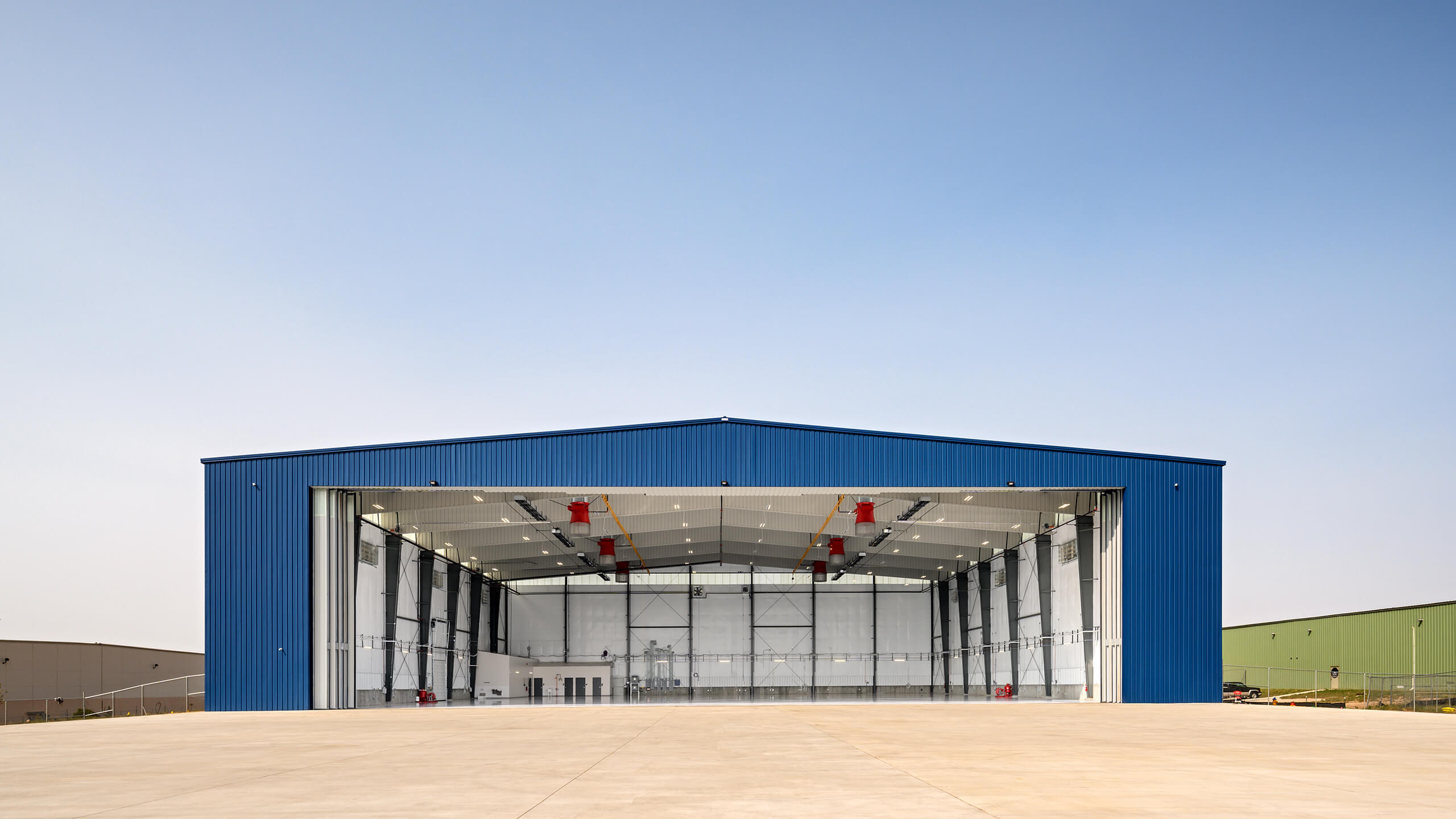
Aerospace & Defense Facility Roofing
Commercial roofing for aerospace and defense facilities in Orlando, FL — Lockheed Martin Missiles & Fire Control, L3Harris, and Northrop Grumman.
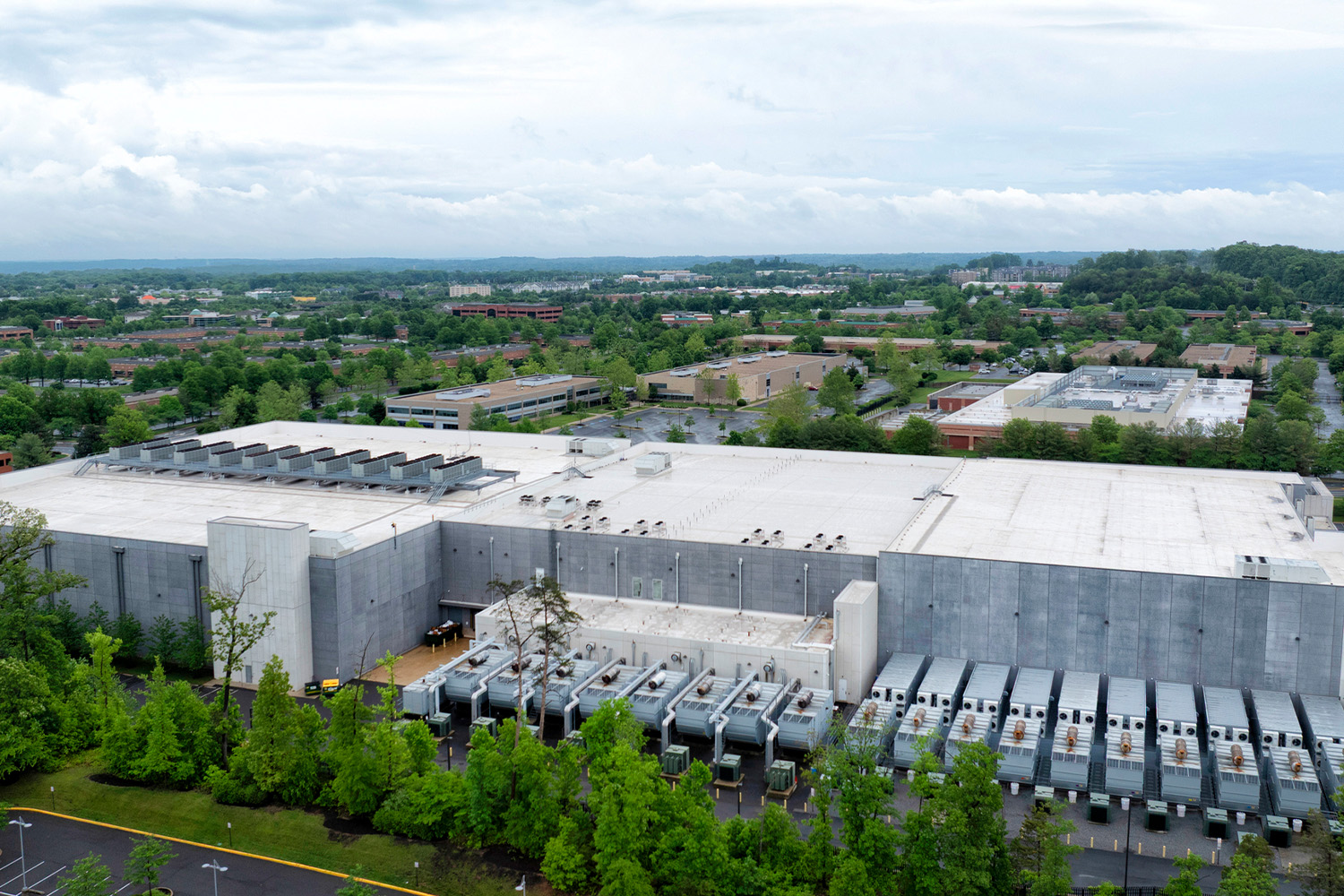
Data Center Roofing
Data center roofing for colocation facilities, server rooms, and mission-critical buildings throughout Orlando, FL.
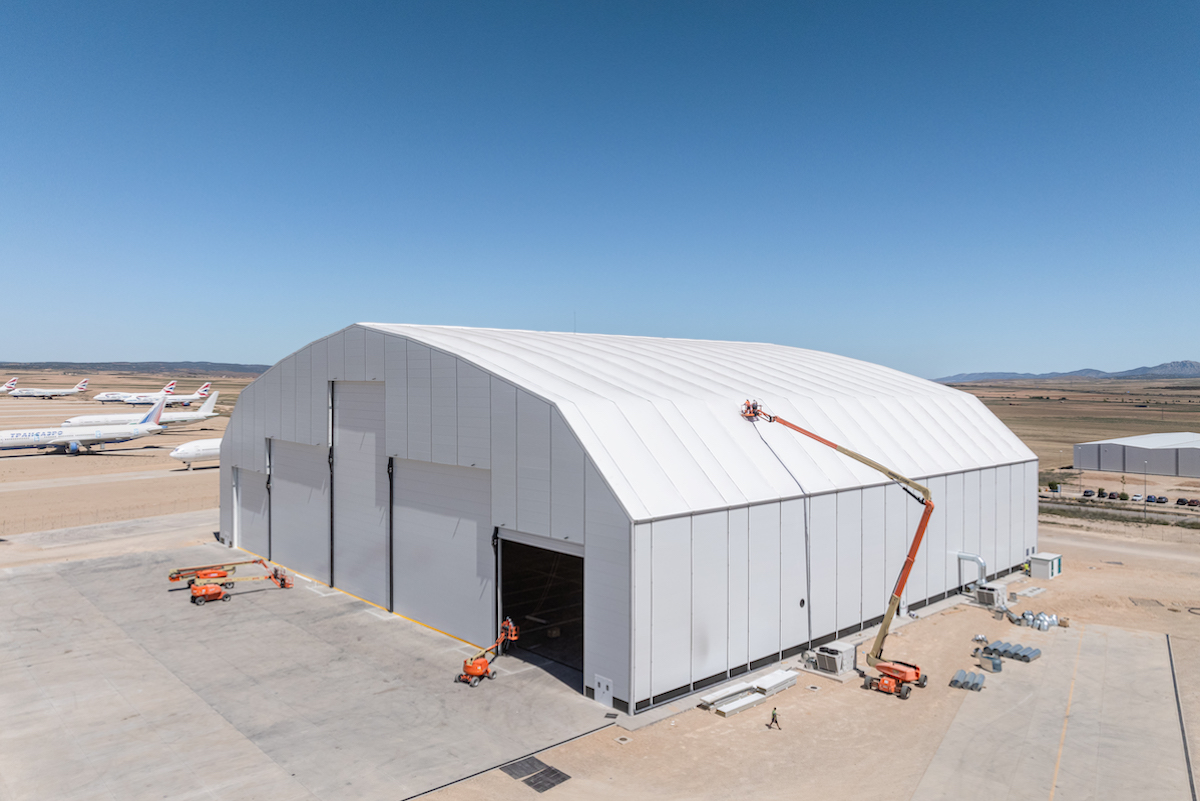
Defense & Simulation Industry Roofing
Commercial roofing for Orlando's defense and simulation industry — Lockheed Martin Missiles & Fire Control, the Modeling Simulation & Training...