
Industrial Flex Space Roofing
Property Type
Few buildings shift their use as often as flex space, and that constant churn is exactly what makes the roof a moving target. A single bay leased to a fabrication shop this year may hold a logistics startup, an e-commerce fulfillment tenant, and a regional service contractor over the next decade. Each change brings a new rooftop unit, a new electrical run punched through the deck, and a new condenser set on a curb that was never in the original loading plan. We treat the low-slope membrane on a flex building as a shared asset serving tenants who never coordinated with one another, and our scope is grounded in finding and sealing the marks they left behind.
Orlando's flex inventory is concentrated in places we walk regularly. Orlando Central Park along South Orange Avenue and the Beachline holds millions of square feet of tilt-wall light industrial built in waves from the 1980s onward. The Silver Star Road and Pine Hills corridor on the northwest side carries older masonry and metal flex shells. Out east, the Goldenrod Road and Econ industrial pockets near the 408 feed a steady stream of contractor and assembly tenants. The University Research Park area near Alafaya layers lab and tech-leaning flex onto a market most people only associate with simulation and defense work. These are not interchangeable buildings, and they do not get interchangeable roofing scopes.
What Makes a Flex Roof Different From a Warehouse Roof
A distribution warehouse has a handful of large rooftop units and a clean drainage plan. A flex building of the same footprint can carry three or four times the penetration count because every demised bay runs its own HVAC, its own exhaust, and often its own gas or electrical service. The membrane field gets carved up by curbs, pitch pans, and pipe boots that crowd together at demising walls. That density is where leaks start, and it is why a flex reroof in Orlando is priced on penetration count and detail labor as much as on square footage.
Undocumented work is the second difference. When a tenant improvement crew sets a new package unit, they cut the curb opening and tie in the membrane, but that change rarely makes it back into the building's record drawings. Years later, a property manager inherits a roof with dozens of modifications nobody can account for. Before we propose any membrane work, we walk the roof and build a penetration inventory keyed to a zone diagram, photographing every curb, boot, and abandoned opening so the scope reflects the roof that exists rather than the one on file.
Assemblies We Specify for Flex Buildings
Tilt-wall and masonry flex shells in Orlando are most often a fit for 60-mil TPO mechanically attached over new polyiso, with tapered insulation added where the original dead-level deck has started to pond. For buildings with heavy rooftop equipment density or constant service-tech foot traffic across multiple tenants, we step up to 80-mil TPO or a fully adhered 60-mil membrane to buy puncture and traffic resistance at the seams. Pre-engineered metal flex buildings are a separate conversation: depending on panel condition and purlin spacing, a silicone-coated metal restoration or a retrofit standing-seam recover can extend service life without the cost and tenant disruption of a full tear-off down to the deck.
Florida's humidity and afternoon storm pattern push us toward white reflective membranes on most flex roofs, which also keeps the assembly in line with the cool-roof expectations that show up on reroofing permits across the region. Wind uplift matters here too. These buildings sit in a zone where attachment density and edge-metal detailing have to satisfy current code, and we design fastening patterns to the deck we actually find rather than to a generic table.
Coordinating Work Across Multiple Tenants
The hardest part of a multi-tenant flex reroof is rarely the roofing. It is the scheduling. One bay runs a single shift, the next runs around the clock, and a third sits vacant between leases. We start every flex project with a bay-by-bay occupancy map and a contact list from property management, then sequence tear-off and dry-in so no tenant loses HVAC during their operating window and no occupied bay is ever left open to weather. Tenants get advance notice, but they communicate through the property manager rather than flagging down crew on the roof. Daily watertight status is confirmed in writing before crews leave the site.
Vacant bays carry their own risk. When a tenant leaves and their rooftop unit comes off, the curb is often capped with temporary protection that fails within a storm or two, and the drains in an empty bay clog faster because no one is reporting standing water. Our lease-transition inspections confirm curb-cap status, verify that former-tenant penetrations are permanently sealed, and clear the drainage path before the next occupant moves in.
Reporting Built for Portfolio Owners
Many of the flex buildings we service belong to investors holding several properties at once. For those owners, a one-off roof report has limited value. We deliver standardized condition reports with consistent photo documentation, remaining-service-life estimates, and prioritized repair budgets so a portfolio can be planned as a whole. When a capital decision is years out, that documentation feeds a maintenance program that protects the membrane in the meantime and prevents small detail failures from becoming deck replacement.
Industrial Flex Space Roofing Questions
How do you handle tenant-driven penetration modifications on flex buildings?
Tenant improvement penetrations on industrial flex buildings are often undocumented in building records. Our pre-project survey photographs and maps every roof penetration, compares it to the original construction documents where they exist, and identifies any non-standard or improperly sealed penetrations that need remediation before new membrane is installed. This prevents warranty disputes after project completion.
What membrane system works best for a multi-tenant flex building?
Keep comparing the scope.

Airport Terminal & Aviation Facility Roofing
Airport terminal and aviation facility roofing in Orlando, FL — Orlando International Airport and surrounding general aviation and cargo facilities.
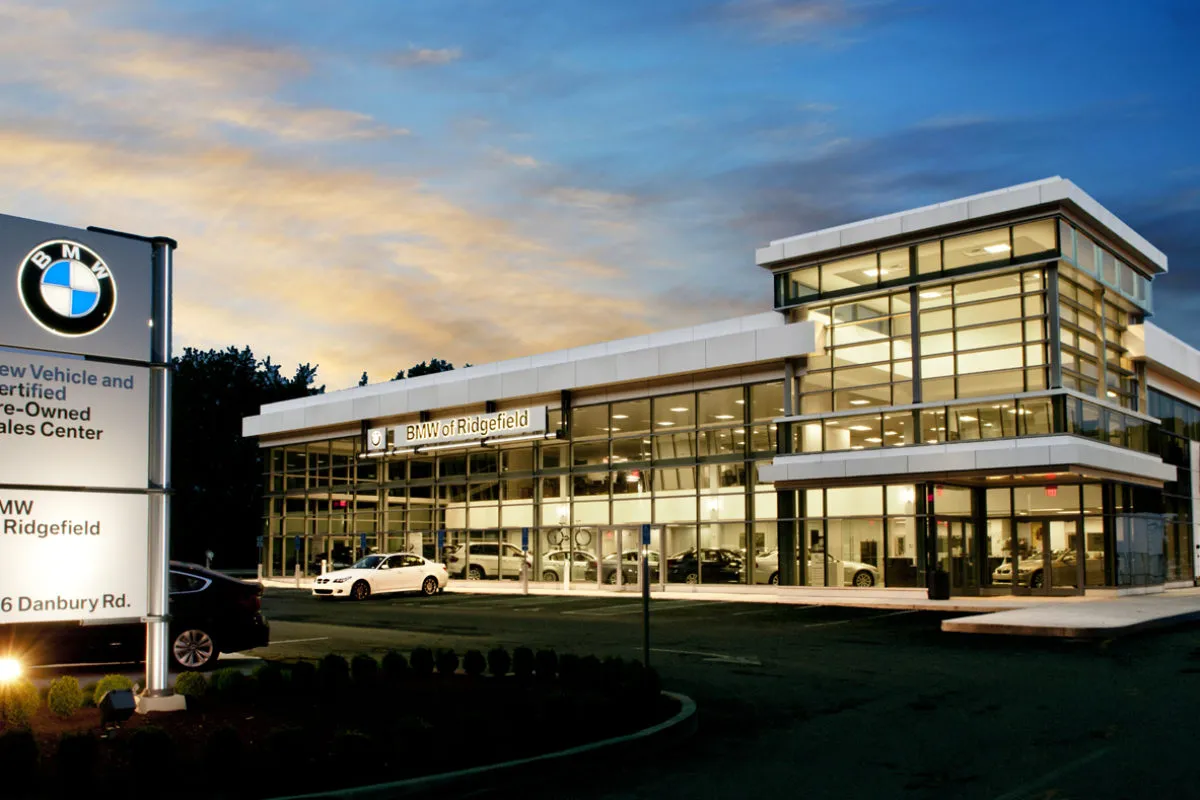
Automotive Manufacturing Facility Roofing
Automotive Manufacturing Facility Roofing in Orlando, FL — commercial roofing for automotive manufacturing facility roofing properties.
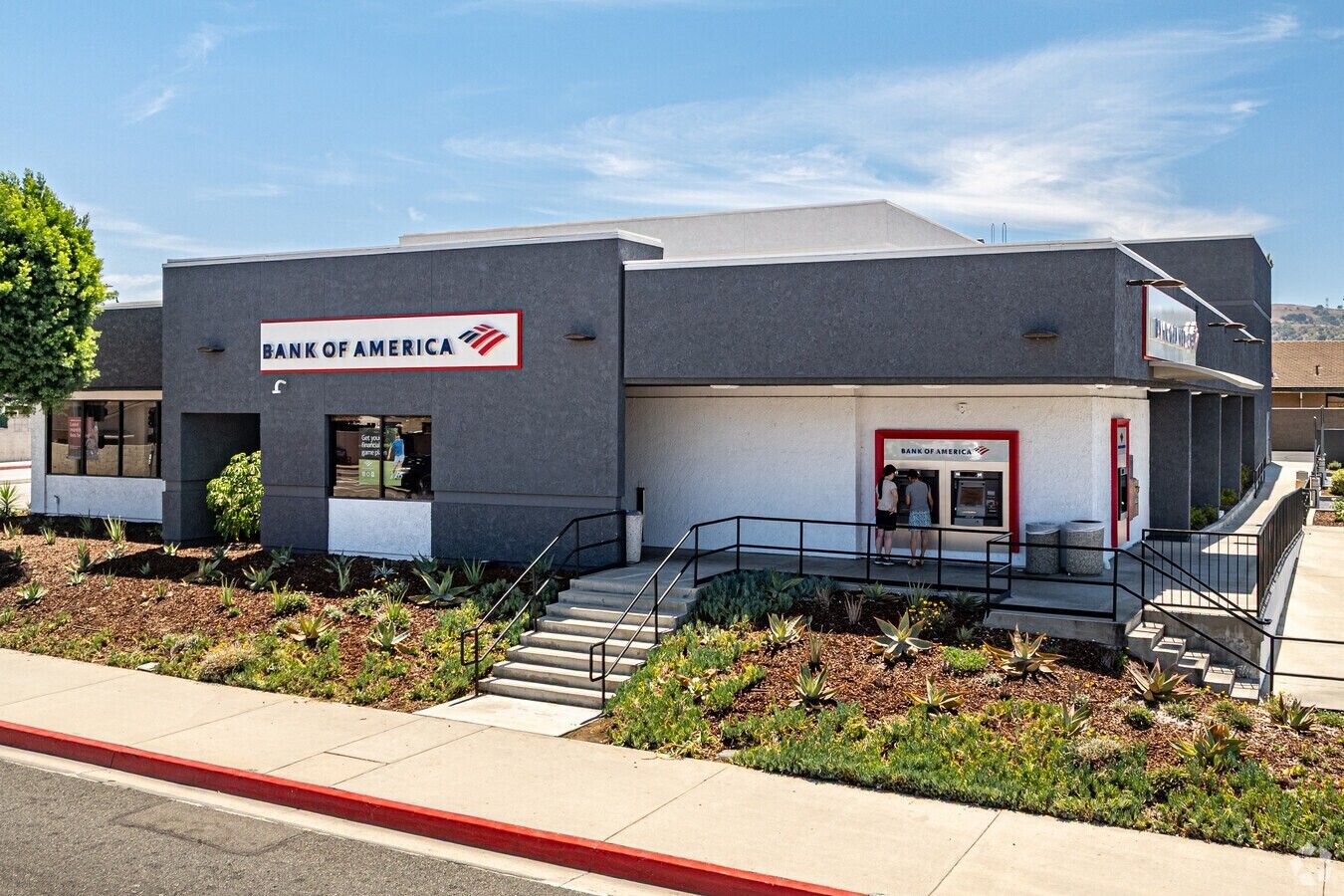
Bank & Financial Building Roofing
Bank and financial building roofing in Orlando, FL. Small high-visibility flat roofs, drive-through canopy detailing, and security-coordinated...