
Mixed-Use Development Roofing
Property Type
A mixed-use building is really several buildings stacked into one envelope, and the water management problem stacks with them. Shops and a parking deck at grade, offices above, apartments at the top, an amenity terrace tucked between floors. Each level has its own occupants, its own mechanical loads, and its own consequences when water gets in. Treat the whole thing as one flat plane and you miss the point. The real work is understanding how the roof areas relate vertically, where the occupied decks sit over leasable space, and which warranty covers which surface when a developer hands the keys to a property manager years down the road.
Orlando has spent the last decade building this product type aggressively. The Creative Village district northwest of downtown wraps residential, office, and the UCF and Valencia downtown campus into a dense walkable grid. Church Street and the rest of the downtown core keep adding residential towers over ground-floor retail. SoDo along South Orange Avenue layers apartments over shops and restaurants, the Mills 50 and Audubon Park districts convert older commercial strips into mixed-use infill, and master-planned Lake Nona builds entire mixed-use town centers from the ground up. The roof and waterproofing scope on each of these looks nothing like a single-use commercial box.
The Roof Is Not a Single Surface
On a typical Orlando mixed-use building we are usually dealing with three distinct conditions. There is the upper roof over the residential or office floors, a conventional low-slope membrane assembly with parapets, mechanical penetrations, and a penthouse. There is the podium deck, the slab that separates retail or structured parking below from occupied or landscaped space above. And there are the amenity terraces, the pool decks and rooftop lounges that double as finished outdoor rooms. These are not variations on one detail. They are different assemblies with different failure modes, and a scope that lumps them together is a scope that will leak.
Podium Decks Are Waterproofing, Not Roofing
The most consequential mistake on a mixed-use project is specifying a standard roofing membrane on a podium deck. A roof membrane is built for low-slope drainage and the occasional maintenance technician. A podium deck carries pedestrians, sometimes vehicles, planters with roots and standing irrigation water, and constant structural deflection from the occupied floors above and the parking below. It needs a traffic-bearing waterproofing assembly with drainage composites, root barriers under any landscaping, and protection layers coordinated with the structural slope to drain. Put a field roofing membrane under a plaza and it typically fails within a handful of years, and the repair means tearing up finished hardscape to reach it. We specify podium waterproofing as its own system because that is what it is.
Amenity Terraces and Upper Roofs
Rooftop amenity decks have become standard on Orlando's mid-rise and high-rise mixed-use buildings, and each one needs a traffic-bearing waterproofing layer beneath the finish surface rather than an exposed roof membrane. We install and warranty those assemblies in coordination with the deck-finish contractor and the structural engineer. The upper roofs above the residential floors bring their own list: parapet drainage and scuppers, mechanical-penthouse flash-through details, and the elevator overrun and mechanical-room enclosures that pierce the membrane at the highest point of the building.
Coordinating Warranties Across a Stacked Building
Mixed-use is where roofing warranties get tangled. The upper roof membrane, the podium waterproofing, and the amenity-deck assembly may come from different manufacturers with different terms, inspection requirements, and registration processes. A developer who does not coordinate these ends up with a building where the responsible party for a given leak is genuinely unclear. We map the warranty boundaries surface by surface, register each system in the owner's name at closeout, and document where one assembly's coverage ends and the next begins, so the eventual property manager inherits a clear record instead of a guessing game.
Building Around Occupied Floors and Urban Constraints
Much of this work happens above or beside occupied space. A reroof or terrace rebuild on a downtown Orlando mixed-use tower has to respect city noise limits that govern working hours, ground-floor retail that cannot lose its entrance, and residents who live directly under the work. We develop a phasing plan that sequences the work to limit disruption, set up dust and debris containment before mobilizing, coordinate elevator and common-area access through building management, and confirm watertight dry-in in writing before the end of every work day. We do not leave a section of an occupied building open to a Central Florida afternoon storm.
Working Inside the Project Team
On ground-up and major-renovation mixed-use jobs, the roofing and waterproofing contractor sits inside a larger team: the general contractor, the MEP trades penetrating every surface, the structural engineer, and often a building-envelope consultant. We work within the submittal process, build the waterproofing mock-ups that architects and owners require, and participate in the testing protocols and manufacturer-rep inspections at the critical phases. Construction lenders on these projects expect reviewed submittals, technical approval of the specified systems, quality-control inspection reports, and no-dollar-limit warranty registration at closeout, and we deliver documentation built to that standard.
Mixed-Use Development Roofing Questions
What's the difference between roofing and waterproofing on a podium deck?
Standard roofing membranes are built for low-slope drainage and light maintenance traffic. Podium waterproofing must handle structural deflection, root intrusion from landscaping, hydrostatic pressure in planters, and pedestrian or vehicle loads depending on the deck. Using a standard roofing membrane on a plaza or amenity deck is an incorrect specification that typically fails within a few years.
How do you coordinate work with occupied residential and retail below?
Keep comparing the scope.
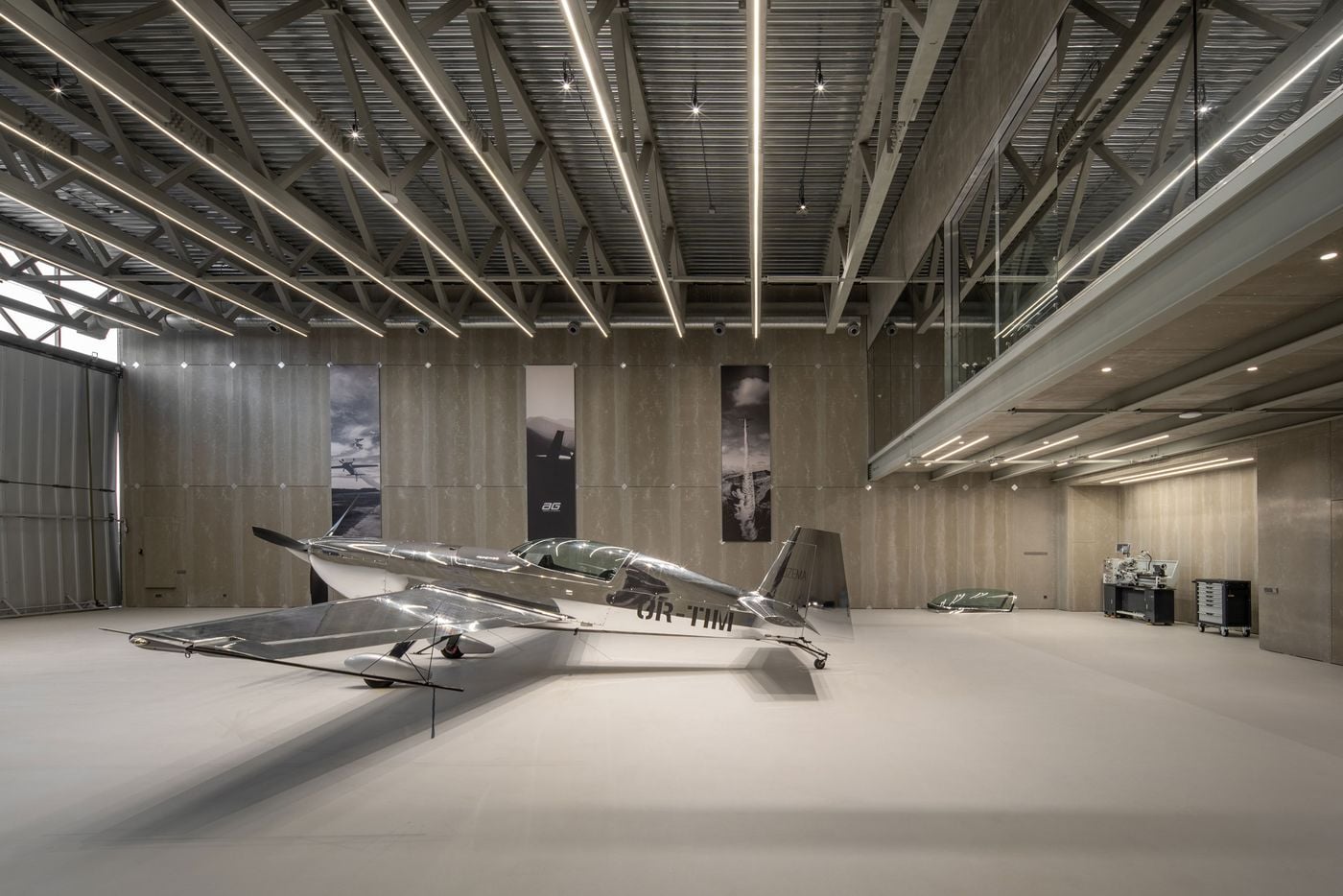
Airport Terminal & Aviation Facility Roofing
Airport terminal and aviation facility roofing in Orlando, FL — Orlando International Airport and surrounding general aviation and cargo facilities.
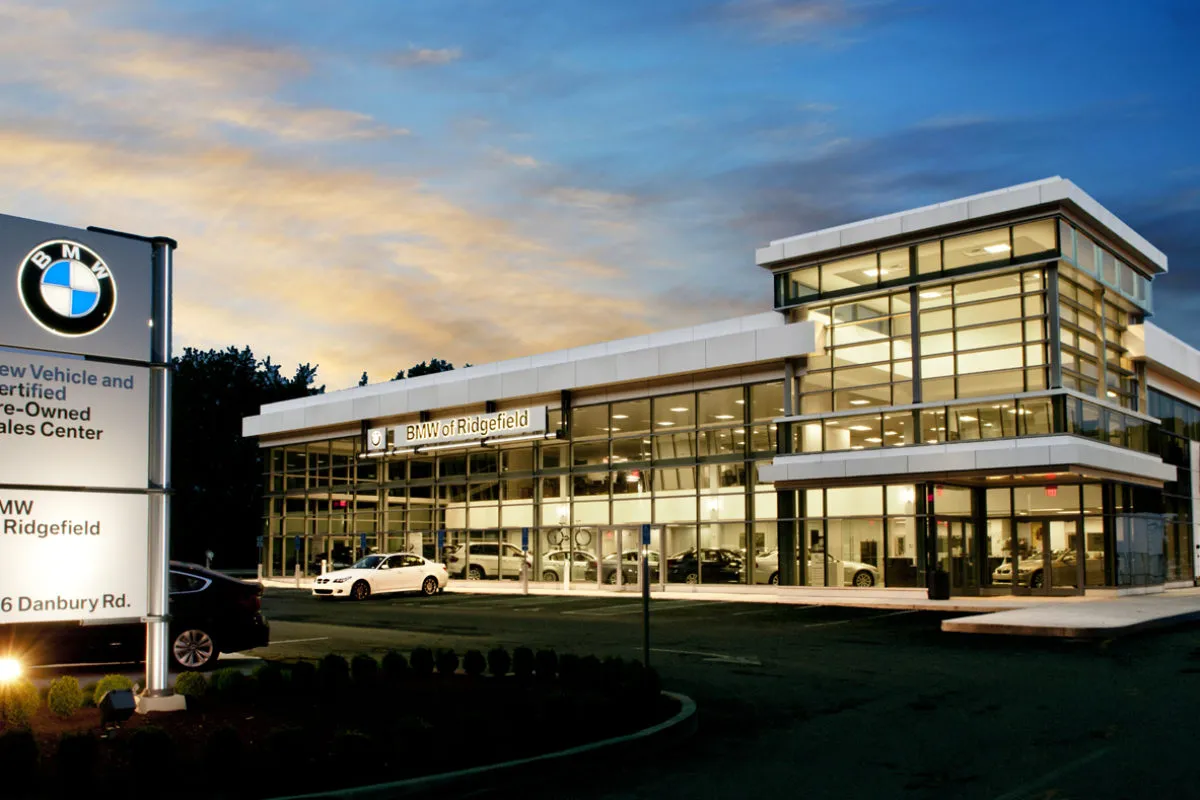
Automotive Manufacturing Facility Roofing
Automotive Manufacturing Facility Roofing in Orlando, FL — commercial roofing for automotive manufacturing facility roofing properties.
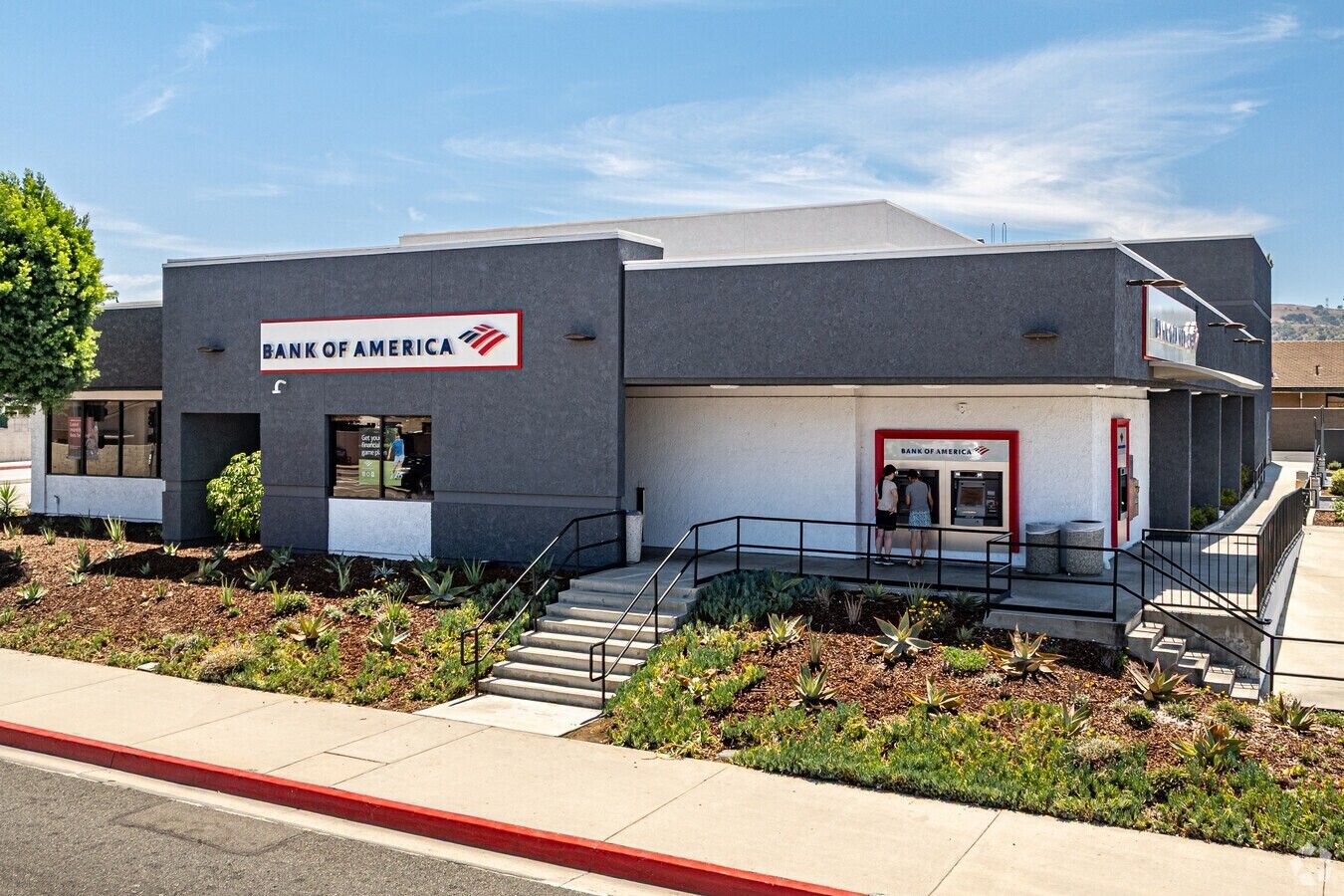
Bank & Financial Building Roofing
Bank and financial building roofing in Orlando, FL. Small high-visibility flat roofs, drive-through canopy detailing, and security-coordinated...