
Office Building Roofing Orlando, FL | Downtown, Maitland, Lake Mary
Office buildings are occupied six or seven days a week by tenants who expect uninterrupted operations. A leak through a sixth-floor ceiling during a client meeting is not a maintenance event — it is a tenant-relations failure with lease consequences. The urgency of roof work on occupied office buildings is not the same as it is on a vacant warehouse. That changes how I scope, schedule, and communicate every office roof project.
Our office sits at — a Class A tower in the Downtown Orlando core. I walk past the same type of building stock I service every day. The downtown Orlando office inventory was built primarily between 1975 and 1995, and a significant portion of it has been through one or two reroof cycles. The roofs on those buildings range from recently replaced TPO systems in good condition to original BUR from the 1980s that has been patched repeatedly and is now a capital planning liability.
Maitland Center — the 270-acre office campus along Interstate 4 north of downtown — is a dense concentration of three- to six-story office buildings built through the 1980s and 1990s. Many of these buildings have roofs in the 20-to-30-year range. The Lake Mary I-4 corridor, Seminole County's primary Class A office market, has newer construction mix with some buildings approaching their first major replacement cycle.
Office roof work requires coordination with property managers, individual tenants, and building engineering staff in a way that warehouse or retail work does not. I hold the pre-job meeting with the building's management team — not just the owner's representative — and we agree on noise windows, parking impact, crane or lift placement, and tenant notification language before the first fastener comes out.
Downtown Orlando Class A Office Tower Roofing
Downtown Orlando's Class A towers — the Bank of America building, the Highwoods/BBD complex, the CNL towers, and the cluster of multi-story office and mixed-use buildings within a block of Orange Avenue — have specific challenges that suburban office parks do not. Crane access in the urban core requires City of Orlando right-of- These are logistics problems we have solved repeatedly.
Occupied tower roofing during business hours requires specific attention to HVAC unit sequencing — many Downtown Orlando towers have rooftop penthouse mechanical rooms with central plant equipment. Any work adjacent to HVAC air intakes requires coordination with the building's chief engineer on air quality precautions. Hot-work permits in high-rise buildings have specific requirements from the City of Orlando Fire Prevention Division that differ from standard commercial hot-work protocols. We manage these through the building's engineering team before any torches come out.
The Downtown Orlando buildings that have been through one or more reroof cycles often have documentation gaps — missing permit history, manufacturer warranties that lapsed without the maintenance compliance work needed to keep them active, or multiple repair vendors who have used incompatible materials on the same roof. Before recommending a scope, I document what is on the roof and what documentation exists, so the replacement scope can account for incompatibilities and the new warranty starts on a clean foundation.
Maitland Center and the I-4 Office Corridor
Maitland Center's three- to six-story office buildings sit on large suburban sites with open parking — crane access and material staging are straightforward compared to the urban core. The complexity at Maitland Center is the building stock's age and the condition variation between buildings. Some buildings have had proactive owners with documented maintenance histories; others have run on deferred maintenance cycles for a decade and show saturated insulation, compromised seams, and drain conditions that need full-scope attention.
I find that Maitland Center property owners are often in a capital planning conversation rather than a crisis-response conversation. The buildings are occupied, the leaks are manageable at the moment, but the asset manager wants to know whether the next reroof cycle is two years out or five. That is a legitimate question that deserves a documented answer based on moisture-core data and membrane condition assessment — not a sales estimate.
Lake Mary and Heathrow, just north of Maitland along I-4 in Seminole County, represent a newer office market with a different age profile. Many buildings here are from the 2000-2015 period and are in their first warranty-coordination window. The scope is more likely to be maintenance contract, seam inspection, and warranty renewal than full replacement.
Tenant-Occupied Sequencing and Communication
The most common complaint from office building tenants during roof replacement is not noise — it is smell. Solvent-based adhesives and hot TPO welding generate fumes that enter buildings through HVAC fresh-air intakes. We manage this by coordinating with the building's chief engineer on fresh-air intake isolation during adhesive and welding operations, timing the most odor-intensive work for evenings and early mornings where building HVAC is in minimum-outdoor-air mode, and confirming with the chief engineer before each day of work.
Vibration from mechanical fastening on metal decks carries into occupied spaces differently on different buildings depending on the deck span and the floor framing. On buildings where vibration is a known sensitivity — law offices, medical suites, teleconferencing-intensive tech tenants — we evaluate fully adhered membrane systems that eliminate mechanical fastener impact noise entirely. The adhesive path costs more, but the tenant-relations cost of rattling a law firm through a deposition is real.
Tenant notification is our responsibility, not the property manager's. We prepare written door-hanger notices and email language for distribution before work starts, and we provide daily updates to the property management team on scope and timeline so they can field tenant questions accurately.
How do you handle roofing on an occupied Downtown Orlando Class A tower?
Pre-job meeting with the building's management team and chief engineer to align on noise windows, HVAC coordination, crane access and City of Orlando ROW permits, and tenant notification. We do not mobilize until those alignments are in writing. During work, we communicate daily with the building engineer and property manager.
Can a Maitland Center or Lake Mary office roof be repaired rather than replaced?
Moisture-core results determine that. We pull cores in representative locations across the roof to assess insulation saturation. If the insulation is dry and the membrane has service life remaining, targeted repair is defensible. If insulation saturation is widespread, repair traps moisture and accelerates deck corrosion — replacement is the honest scope.
How long does an office building roof replacement take in Orlando?
For a typical three-story, 50,000 sq ft suburban office building: three to five weeks of production. Downtown high-rise buildings with crane access complexity take longer to sequence. We build weather contingency into the schedule during the June-October rainy season and provide a written section-by-section production schedule before contract signing.
What documentation do you provide for an office building replacement at closeout?
FBC-compliant permit documentation including permit final sign-off, manufacturer warranty, roof zone diagram with closeout photos, maintenance contract, and written capital record for the next reroof cycle. For institutional building owners and REITs, we can format the closeout package to match their asset management system requirements.
Office building roof scope — Downtown Orlando, Maitland, or Lake Mary?
Our project managers will walk the roof, document conditions and FBC compliance status, and produce a written scope with capital horizon recommendations. We hold pre-job meetings with building management teams and coordinate tenant notification from day one.
Keep comparing the scope.
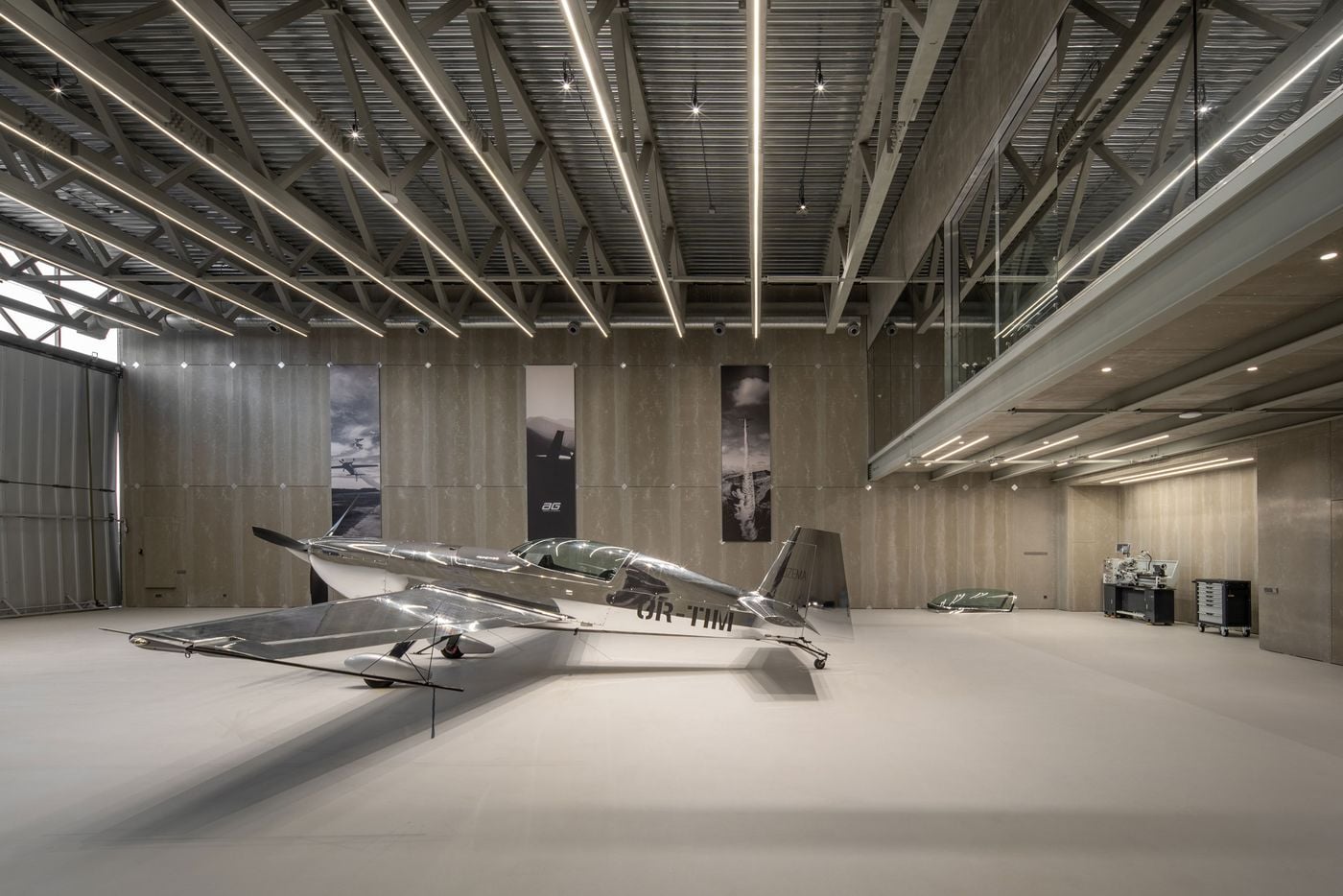
Airport Terminal & Aviation Facility Roofing
Airport terminal and aviation facility roofing in Orlando, FL — Orlando International Airport and surrounding general aviation and cargo facilities.
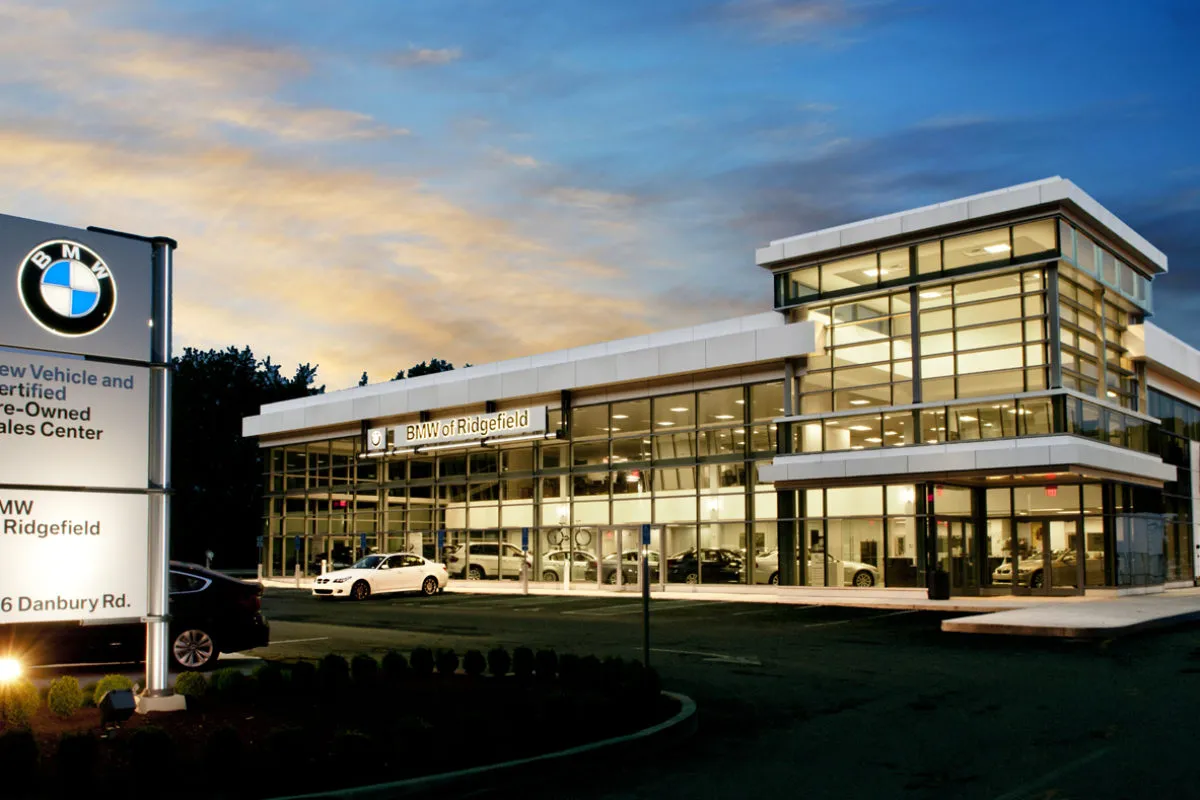
Automotive Manufacturing Facility Roofing
Automotive Manufacturing Facility Roofing in Orlando, FL — commercial roofing for automotive manufacturing facility roofing properties.
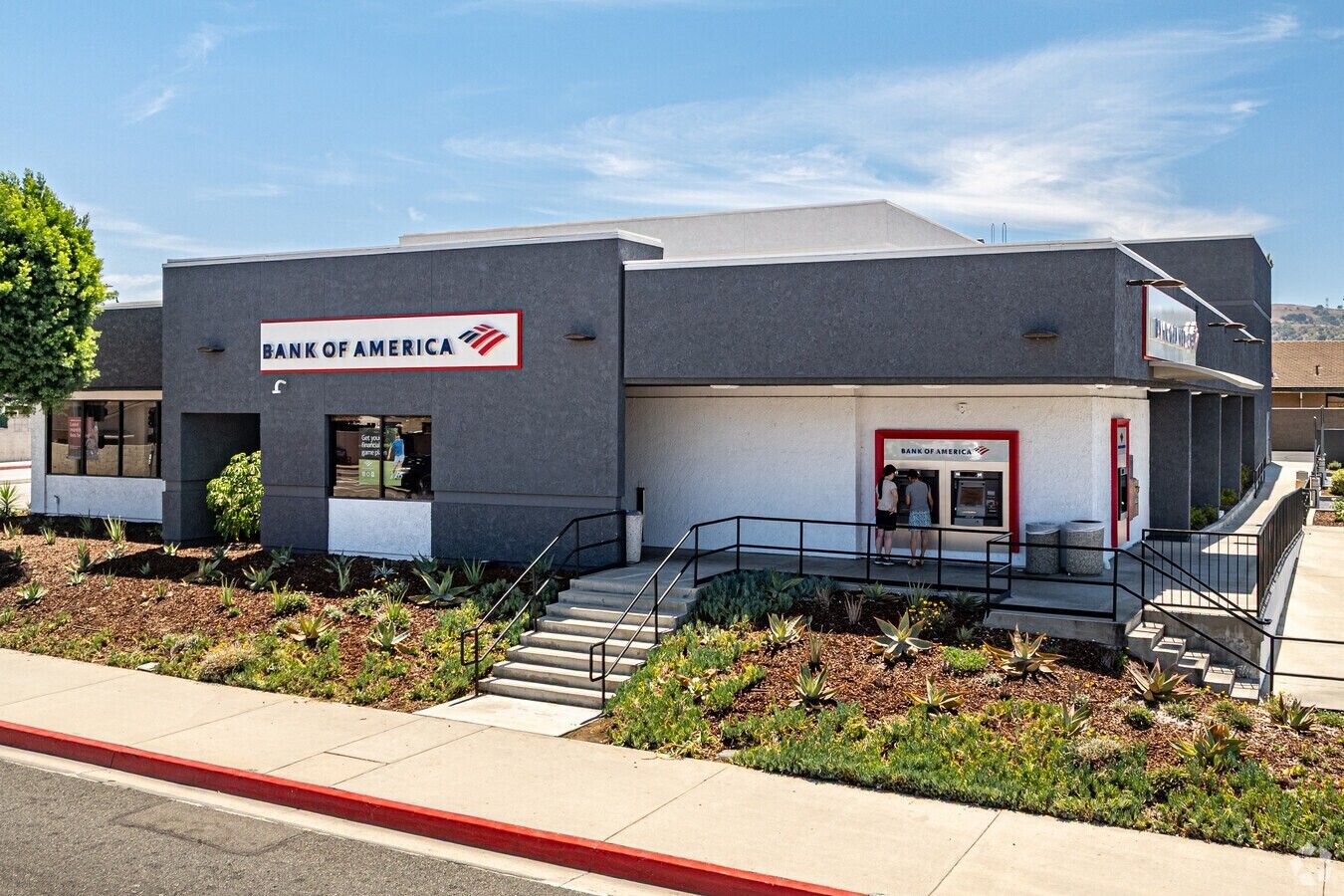
Bank & Financial Building Roofing
Bank and financial building roofing in Orlando, FL. Small high-visibility flat roofs, drive-through canopy detailing, and security-coordinated...