
Restaurant Roofing Orlando, FL | Disney Springs, Sand Lake Road, Downtown
Property Type
Disney Springs has one of the highest-volume restaurant concentrations in the country. Sand Lake Road's Restaurant Row is Central Florida's premier local dining corridor. Downtown Orlando's dining scene runs seven days a week. Restaurant roofing in this market means working around service hours, hood exhaust penetrations, and the grease-exposure conditions that accelerate membrane failure faster than almost any other building use.
Restaurant buildings are harder on roofs than almost any other commercial building type. Commercial kitchen hood exhaust systems discharge grease-laden air through rooftop penetrations at high temperatures. The grease deposits on the roof membrane around exhaust penetrations degrade TPO, EPDM, and modified bitumen at an accelerated rate — a zone of rapid membrane degradation forms around every kitchen exhaust penetration that does not have a properly maintained grease containment system. I find this condition on nearly every restaurant roof inspection in the Orlando market.
The Orlando restaurant market is concentrated in two distinct corridors. Disney Springs — the retail and dining complex at Walt Disney World — has a high-density restaurant cluster with experienced commercial brands including The BOATHOUSE, Wine Bar George, Paddlefish, and dozens of others. Sand Lake Road's Restaurant Row, roughly the stretch from Dr. Phillips Boulevard east to the I-4 interchange, is Central Florida's primary independent and upscale dining corridor — STK, The Melting Pot, Seasons 52, and many independents. Downtown Orlando's dining scene on Church Street, Wall Street Plaza, and Orange Avenue adds the urban entertainment district component.
Roof scope notes
PVC membrane is the right specification for restaurant roof zones with kitchen exhaust exposure. PVC is the only single-ply membrane with documented grease resistance — TPO and EPDM both degrade in prolonged grease contact. A restaurant roof with TPO or EPDM around kitchen exhaust penetrations is a maintenance liability. We specify PVC on the exhaust-adjacent zones regardless of what the rest of the restaurant roof uses.
Disney Springs Restaurant Roofing
Disney Springs operates as a controlled-access Walt Disney World destination — the restaurants within Disney Springs are leased from The Walt Disney Company and operate under Disney's facility standards. Contractor access to Disney Springs properties requires Walt Disney World contractor credentialing, background checks, and alignment with Disney's facility operations team before any on-site work begins. Work windows are defined by Disney's operational schedule, which prioritizes guest experience and limits visible construction activity during peak operating hours.
The restaurants at Disney Springs include a mix of standalone buildings and restaurant spaces within the larger Disney Springs retail complex. The standalone buildings — The BOATHOUSE on the waterfront, the Raglan Road Irish Pub, the Paradiso 37 space, and others — have individual flat or low-slope roof systems that can be addressed as discrete projects. Restaurant spaces within the larger complex may share roof areas with retail tenants and require coordination with the complex's property management team to define roof ownership and maintenance responsibility.
Disney Springs kitchen exhaust systems on the restaurant buildings discharge through rooftop penetrations at high volume. Grease containment systems on Disney Springs restaurant penetrations are subject to Disney's facility maintenance standards, which are generally more stringent than standard commercial building maintenance requirements. Inspecting and documenting the grease containment condition around every kitchen exhaust penetration is a specific deliverable on every Disney Springs restaurant roof inspection.
Sand Lake Road Restaurant Row
Sand Lake Road's Restaurant Row is a concentrated dining corridor running along Sand Lake Road from the Dr. Phillips neighborhood east to the I-4 interchange. The strip includes national brands — The Capital Grille, Seasons 52, Bahama Breeze — alongside high-volume independents and the dual Pointe Orlando and Marketplace entertainment complexes. Most of the restaurant buildings on this corridor were built between 1995 and 2010 and have original TPO or modified bitumen roofing systems approaching or past end-of-life.
The pad-site restaurant buildings on Sand Lake Road — the standalone structures in outparcel positions at retail centers, or on dedicated parcels along the corridor — are typically owned by the restaurant operator or by net-lease investors rather than by the major retail property owners on the corridor. Net-lease restaurant investors are a specific owner type: they hold single-tenant properties on long-term triple-net leases, the tenant maintains the property, and the investor focuses on lease income rather than on active property management. When the tenant's lease prohibits the investor from authorizing roof work without tenant consent, the repair or replacement decision can get stalled in a lease-interpretation dispute. I flag this pattern early in any net-lease restaurant roof engagement.
The grease exhaust condition on Sand Lake Road restaurant roofs is the most consistent finding in our inspections on this corridor. Every restaurant with a working kitchen has kitchen exhaust penetrations. Most of the penetrations we find on older Sand Lake Road restaurants show evidence of grease accumulation on the membrane adjacent to the exhaust — often a ring of darkened, softened, or lifted membrane extending two to four feet from the penetration. PVC replacement of the affected zone around each penetration is the correct scope, not patching with the same membrane type.
Downtown Orlando Dining and After-Hours Production
Downtown Orlando's dining scene — centered on Church Street, Wall Street Plaza, and the Orange Avenue corridor between the CBD and Thornton Park — runs heavily toward evening and late-night service. Restaurants in this corridor often do their heaviest covers from 6 PM to midnight on weekends. That means roofing work on Downtown Orlando restaurants has to happen in the early morning window before kitchen prep starts — typically 6 AM to 11 AM — or after the closing clean is complete, which can be 2 AM to 5 AM on weekends.
After-hours production in Downtown Orlando requires City of Orlando noise ordinance compliance for work between 10 PM and 7 AM, coordination with the building's property manager on access, and advance notification to adjacent businesses and residential units if the building is in a mixed-use context. We navigate these requirements routinely on Downtown restaurant projects — they are not obstacles, they are logistics constraints that planning addresses.
The building stock in Downtown Orlando's dining corridors includes older commercial buildings converted to restaurant use, purpose-built restaurant pads in parking structures, and ground-floor restaurant spaces in multi-story mixed-use buildings. The roof above a ground-floor restaurant in a mixed-use building is typically the second-floor occupied space's floor — a structural deck, not a traditional roof system. When the leak is through that floor-ceiling interface, the scope is more complex than a standard flat-roof repair and requires structural assessment as well as waterproofing.
Why is PVC membrane recommended around kitchen exhaust penetrations?
PVC is the only common single-ply roofing membrane with documented resistance to grease degradation. TPO and EPDM both soften and lose adhesion in prolonged contact with the grease-laden condensate that accumulates around kitchen exhaust penetrations. Replacing the membrane adjacent to every kitchen exhaust penetration with PVC is the correct long-term specification — not patching with the same membrane type.
Can you work around restaurant service hours at Disney Springs or Sand Lake Road?
Yes. Every restaurant roof project is scheduled around the restaurant's service calendar. Production windows are confirmed with the restaurant operator before the schedule is set — typically early mornings before lunch prep or late nights after close. For Disney Springs properties, the production window is also defined by Disney's facility operations schedule, which we align on in the pre-job meeting.
Do you require special credentialing to work on Walt Disney World or Disney Springs properties?
Yes. Disney contractor credentialing includes background checks and alignment with Disney's facility operations protocols. We work through the credentialing process before proposing a production schedule on any Disney-controlled property. The process takes time — plan for two to four weeks of lead time on credentialing before mobilization.
How do you handle a restaurant roof where the tenant's lease is unclear on maintenance responsibility?
We flag the lease ambiguity in the inspection report and recommend the property owner get lease language clarity before assigning the repair scope. We can provide the written inspection and scope documentation that both parties need to resolve the maintenance responsibility question — but we do not start repair work on properties where the authorization chain is unresolved.
Keep comparing the scope.
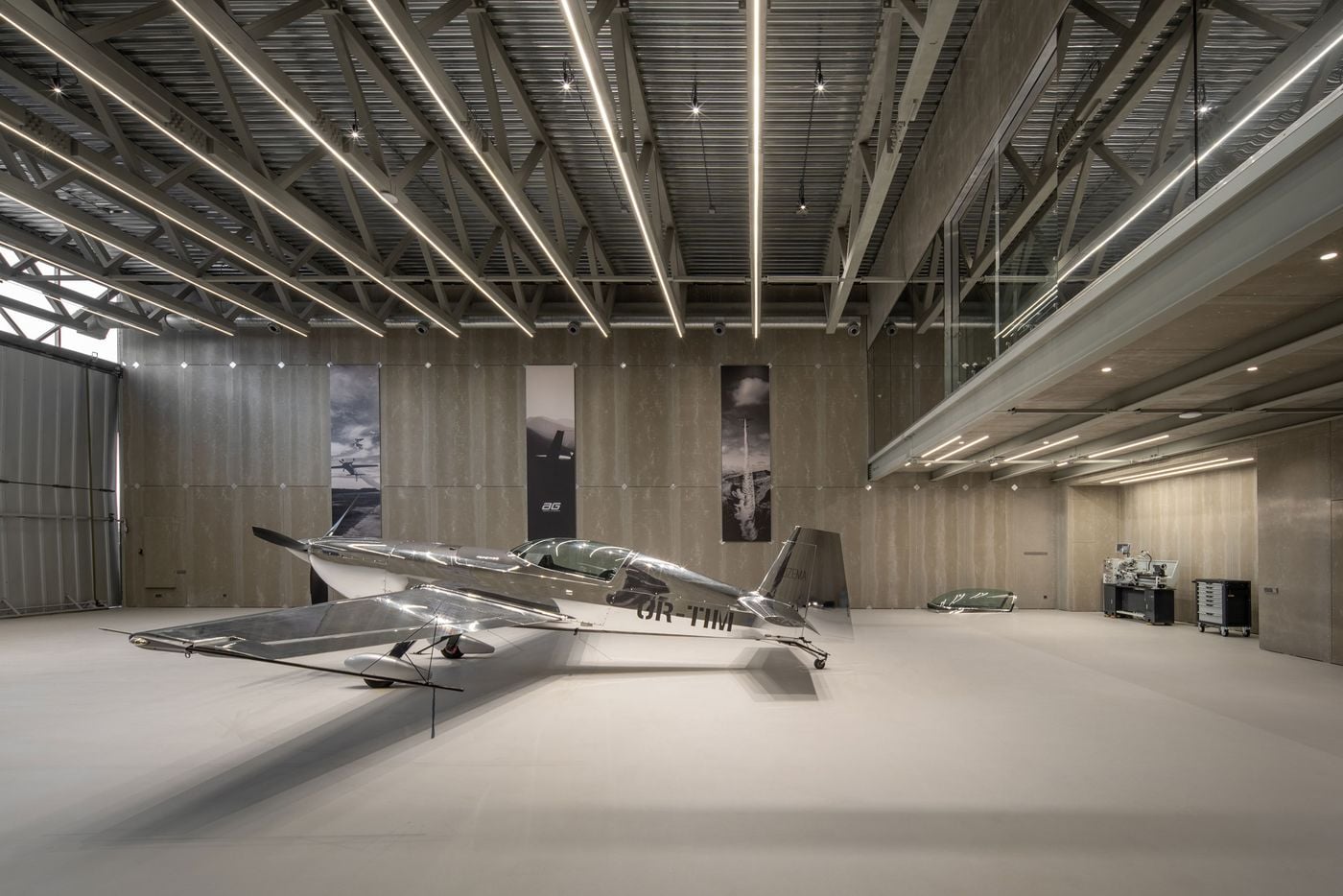
Airport Terminal & Aviation Facility Roofing
Airport terminal and aviation facility roofing in Orlando, FL — Orlando International Airport and surrounding general aviation and cargo facilities.
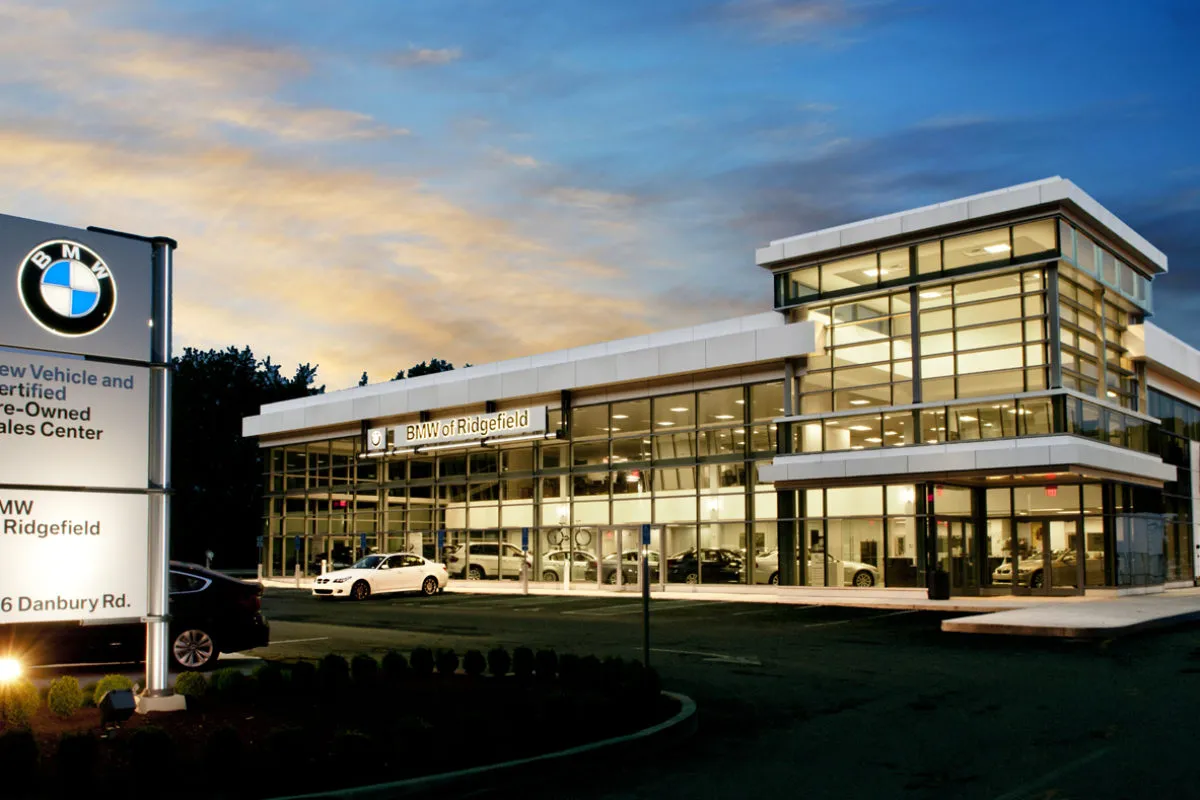
Automotive Manufacturing Facility Roofing
Automotive Manufacturing Facility Roofing in Orlando, FL — commercial roofing for automotive manufacturing facility roofing properties.
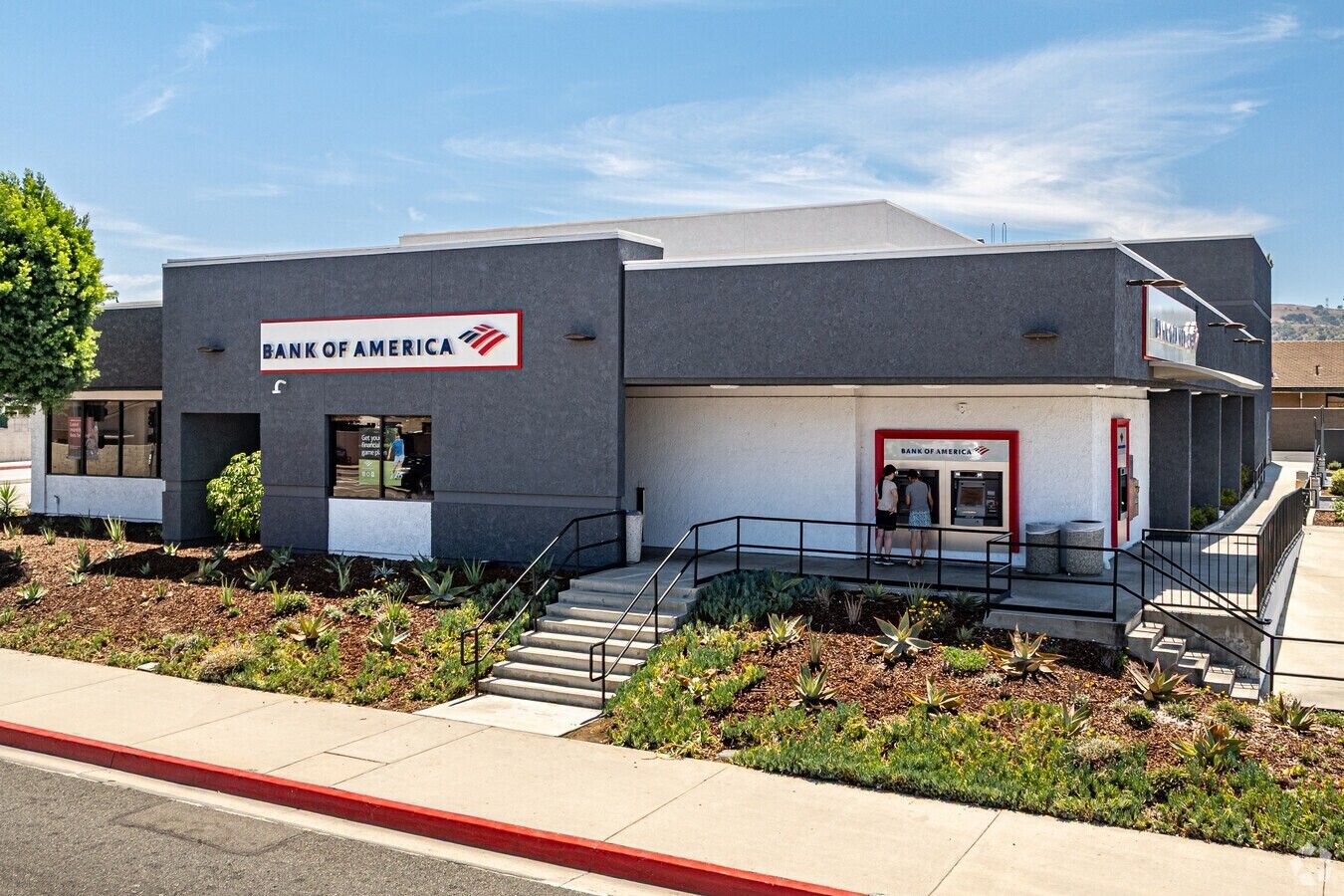
Bank & Financial Building Roofing
Bank and financial building roofing in Orlando, FL. Small high-visibility flat roofs, drive-through canopy detailing, and security-coordinated...