
Roof Capital Planning Support
Service
Capital planning for commercial roofs is not the same as getting a replacement bid. It is a forward-looking financial model built on documented condition data, realistic cost escalation assumptions for the Orlando construction market, and a sequencing strategy that matches the buildings' actual replacement urgency to the owner's capital availability.
The roof capital planning conversation in most Central Florida commercial portfolios happens in one of two modes: proactive — ownership wants to know what the roofs will cost over the next five to ten years before those costs surprise the annual P&L — or reactive — a Tourist Corridor hotel or a Lake Nona medical office building failed during hurricane season and ownership is asking why this was not in last year's budget. We support both modes. The proactive version is worth dramatically more to the owner because the reactive version costs emergency-rate pricing on top of the replacement cost.
Our capital planning support service takes the condition data from our inspection program — or from a fresh portfolio audit on buildings we have not previously inspected — and builds it into a multi-year CapEx forecast: which buildings need replacement in which year, what the estimated replacement cost is in current and escalated dollars, and how the replacement sequence should be prioritized when multiple buildings are competing for limited capital in the same year or the same hurricane season.
How We Build the Multi-Year CapEx Forecast
The forecast starts with a condition baseline for every building in the portfolio. For buildings we have previously inspected, we use the most recent condition record and remaining-life estimate. For buildings we have not inspected, we schedule visits and produce condition records before building the forecast — a CapEx model built on assumed rather than documented conditions is not a planning tool.
Each building's remaining-life estimate produces a replacement window: a two-to-three-year range in which the building's roof is expected to require replacement based on current condition, degradation rate observed across inspection visits, and manufacturer service life data for the installed system. We assign each building to a primary year and a contingency year in the forecast, and we document the basis for both assignments.
Cost estimates for each building's replacement are built from square footage, the system specification path appropriate for that building's use and existing system, and current Central Florida commercial roofing labor and material costs. We apply an explicit annual cost escalation assumption based on regional construction cost data for the Orlando metro. The result is a year-by-year CapEx table: which buildings, what systems, what estimated cost, in what year, escalated to that year's expected pricing.
Sequencing — When Multiple Buildings Compete for the Same Capital Year
The most common capital planning challenge in a Central Florida portfolio: several buildings need replacement in years three through five of the forecast but the owner's annual CapEx capacity cannot fund all of them simultaneously. The sequencing question — which buildings go first, which defer, and what is the cost and risk of each deferral — is where we add the most value to ownership.
We prioritize sequencing based on four factors: current condition urgency, where buildings in poor or failed condition move to the front regardless of other factors; active warranty status, where buildings with active manufacturer warranties about to lapse from deferred maintenance move ahead of buildings with no active warranty to protect; tenant lease exposure, where a building with a major tenant's lease renewal in year three needs a solved roof story before that renewal conversation happens; and construction mobilization efficiency, where clustering multiple buildings in the same geographic submarket achieves material and mobilization cost savings that can reduce per-building replacement cost by 8-12%.
For Central Florida portfolio owners with properties across different submarkets — Lake Nona Medical City, the Tourist Corridor, the SODO and OIA airport industrial zone, and the I-4 office corridor between Maitland and downtown — we model sequencing by submarket to identify efficiency opportunities within each corridor. A portfolio owner with three hotel properties within one mile of each other on International Drive can sequence them back-to-back with the same crew and material deliveries and achieve per-building cost savings that a one-at-a-time approach does not.
Supporting the Capital Ask to Ownership and Lenders
The capital planning document is only useful if ownership approves the capital. That approval conversation — whether it is a property manager presenting to a private ownership group, a REIT asset manager presenting to an investment committee, or a borrower presenting to a bridge or construction lender — requires documentation that goes beyond a contractor's bid. It requires condition evidence, lifecycle cost modeling, and a clear answer to the question: why this year, at this cost, rather than waiting?
We produce the supporting documentation for that conversation: the condition summary building by building, the remaining-life analysis with the degradation evidence from inspection records, the cost escalation model showing what the replacement costs now versus what it costs if deferred two years in the Central Florida construction market, and the risk narrative describing what the exposure is — in warranty lapse risk, tenant disruption cost, and emergency repair premium — if the capital is not approved. This is the package the ownership group or lender needs to evaluate the request on its merits rather than asking for more information.
For Orlando commercial buildings in refinance or recapitalization, lenders increasingly require third-party roof condition documentation as part of the property condition assessment. We coordinate with the PCA firm managing the full property condition scope, or produce standalone roof documentation that satisfies the lender's requirement — formatted to ASTM E2018 standard when the lender specifies it. We have provided roof sections for PCA reports coordinated by engineering and environmental consulting firms active in the Central Florida institutional transaction market.
How far in advance can a roof CapEx forecast be reliably projected for an Orlando portfolio?
A five-year forecast built on current condition data is reliable enough for capital reserve planning and most lender presentations. A ten-year forecast is useful for ownership groups holding assets long-term, but we present wider uncertainty ranges in the outer years and show the range explicitly rather than a single point estimate. We do not produce fifteen or twenty-year roof CapEx forecasts — the condition uncertainty at that horizon makes them more misleading than useful as planning documents.
Can you work with our existing property condition assessment firm on a Central Florida transaction?
Yes. We provide roof condition documentation and cost estimates in the format the PCA firm's template requires. We have worked within PCA formats coordinated by engineering and environmental consulting firms handling Orlando-area institutional transactions. The roof section is our scope; the PCA firm integrates it into the full property condition report.
What if our ownership group has never done a formal roof capital reserve?
We start with a portfolio baseline — condition assessment on every building, remaining-life estimate documented. From that baseline we build the first-year capital plan and a proposed annual reserve contribution for each asset. The reserve calculation is direct: estimated replacement cost divided by remaining service life years. For a Central Florida owner who has been managing roofs reactively, establishing a documented reserve and a forward capital plan changes the conversation with lenders and investors from 'we fix roofs when they break' to 'we have a documented capital plan and funded reserves.'
Need a defensible roof CapEx forecast for your Central Florida commercial portfolio?
We will audit the portfolio, build the multi-year forecast, and produce the documentation you need to defend the capital ask to ownership, investors, or lenders.
Keep comparing the scope.
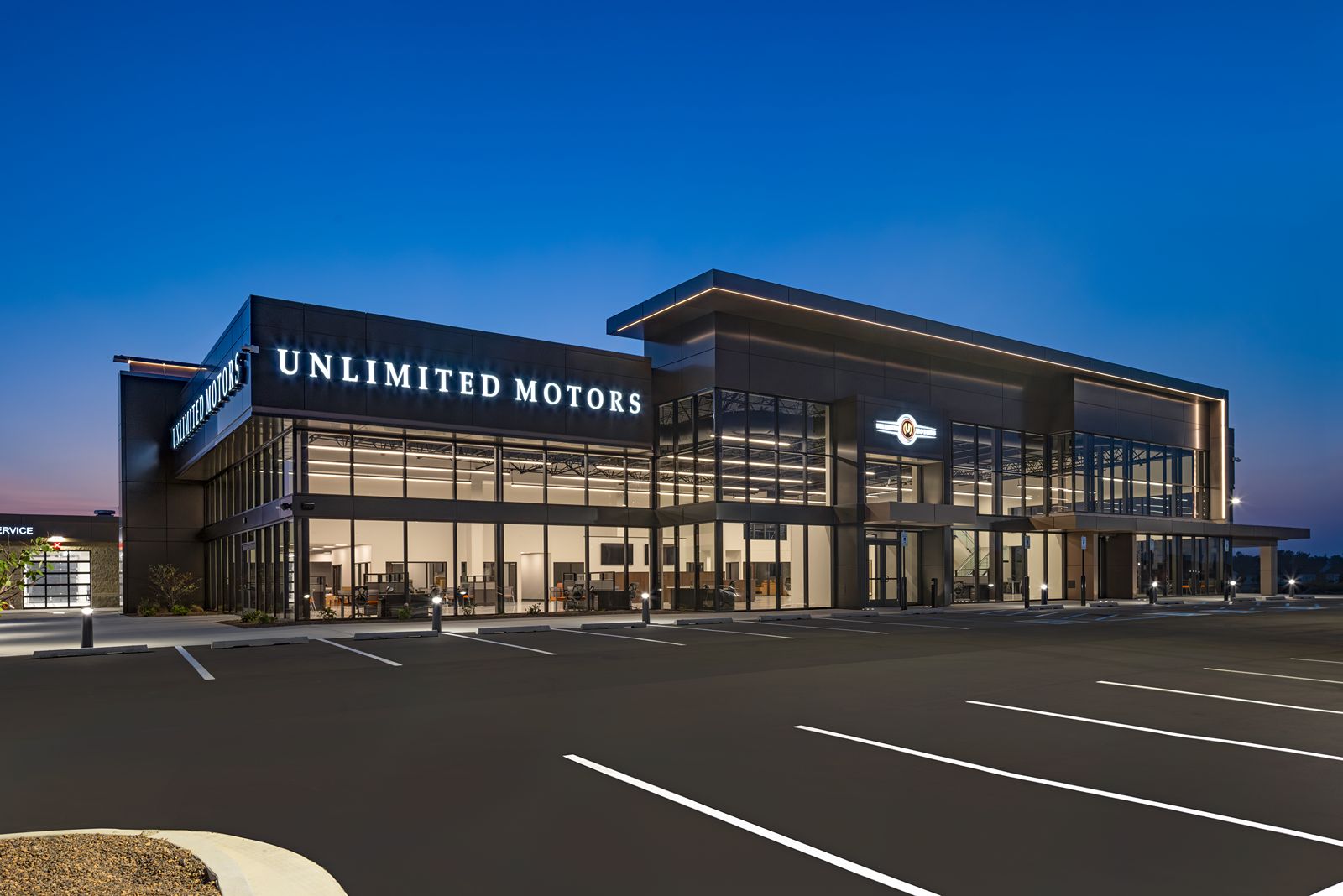
Auto Dealership Roofing
Commercial roofing for auto dealerships, car lots, service centers, and automotive facilities throughout Orlando, FL.
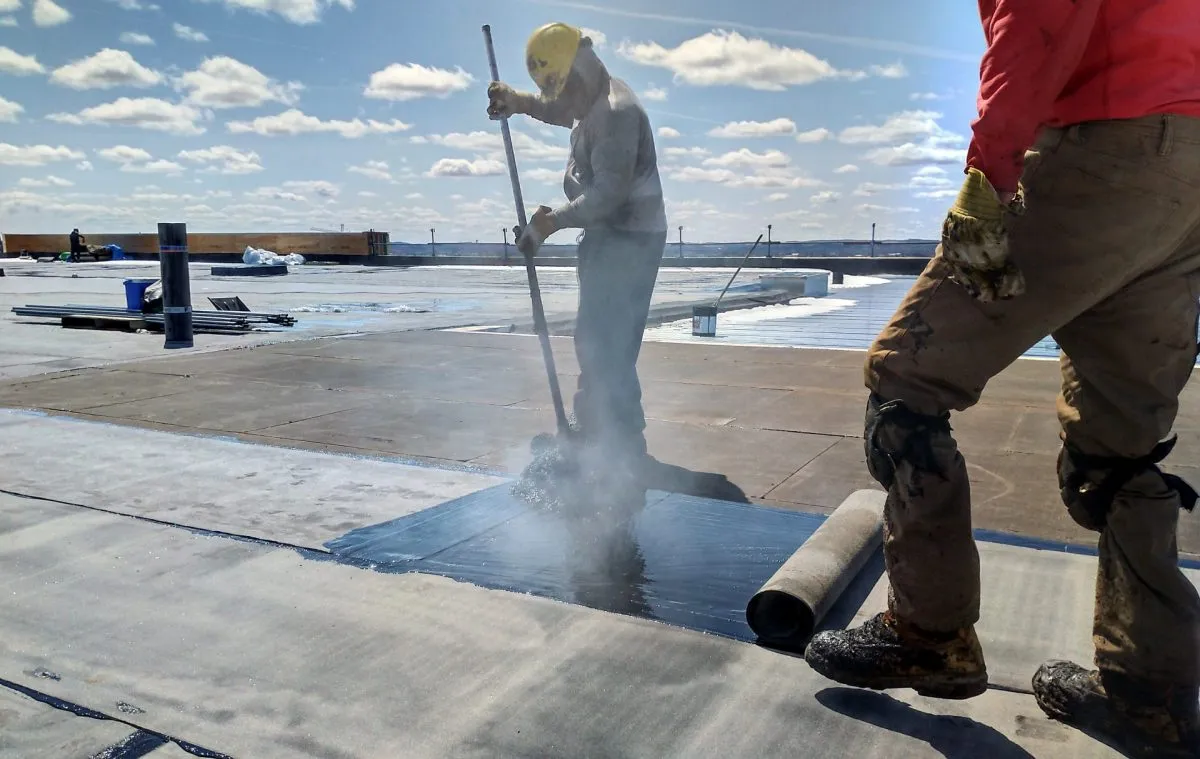
Built Up Roofing
BUR assessment, targeted repair, recover, and replacement for aging Orlando commercial buildings — honest recover-vs-replace guidance with moisture...
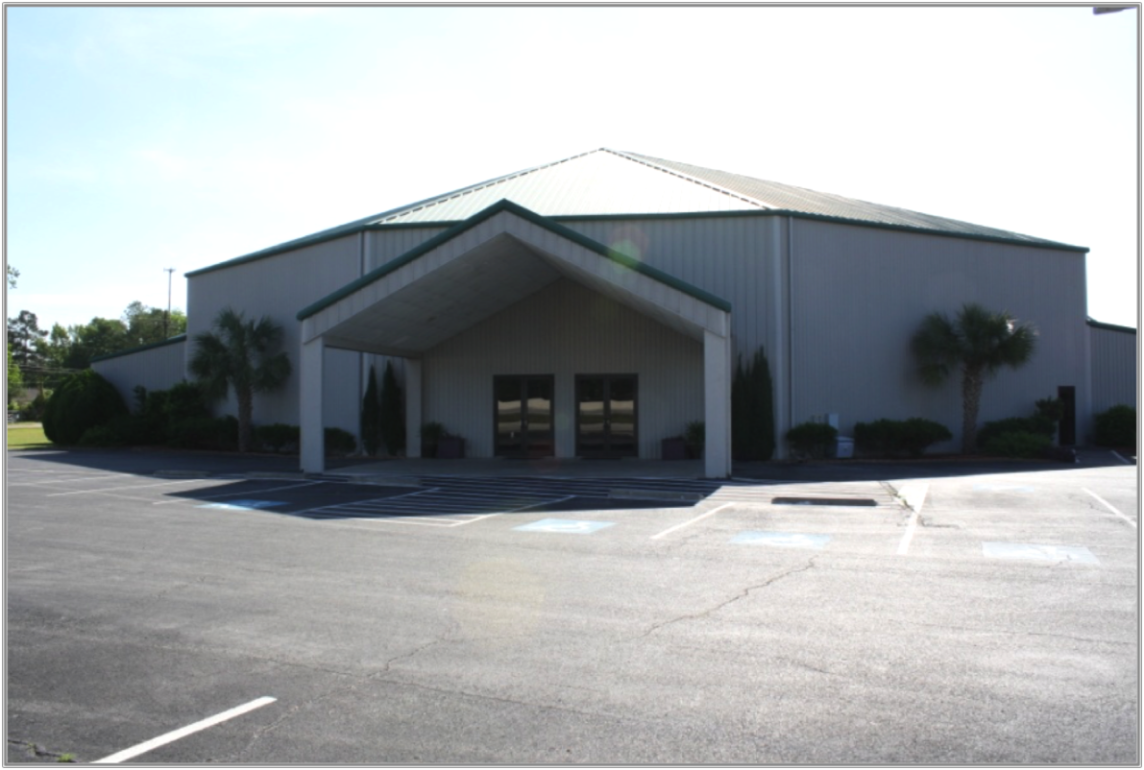
Church and Religious Building Roofing
Commercial roofing for churches, worship centers, and religious facilities throughout Orlando, FL.