
Roof Drain Cleaning and Repair
Service
In Orlando's rainy season, a blocked or undersized roof drain does not just cause ponding — it can push water into a building faster than membrane condition allows for. We clean, inspect, and repair commercial flat roof drains, and we flag when a drain system needs engineering rather than just maintenance.
Commercial flat roofs in the Orlando metro are designed to drain — but the design assumes the drains are clear, functional, and correctly sized for the rainfall intensity the building actually receives. In Central Florida, that assumption breaks down frequently. Orlando's afternoon convective storms can deliver two to three inches of rain in under 90 minutes, exceeding the design storm intensity that many drain systems were sized against. When a drain is also blocked with debris — and debris accumulation in Orange County includes palm fronds, Spanish moss, and the organic matter that accumulates faster in a subtropical climate than in northern markets — the combination of undersizing and blockage produces ponding that pushes water under membrane laps and into the building.
We clean, inspect, and repair commercial roof drains as a standalone service and as part of our planned maintenance contracts. Drain service is typically the highest-value, lowest-cost preventive maintenance on a commercial flat roof — a blocked drain that is cleared before the rainy season costs a fraction of the leak-investigation and interior repair that follows a flood event from a blocked drain during a July afternoon storm.
What Drain Service Covers
Cleaning: We clear the drain screen or dome, the drain bowl, and the leader line down to the first accessible cleanout or through the parapet scupper opening for scupper drainage. Debris in the bowl — palm seeds, Spanish moss, organic sludge accumulated from years of ponded water — is removed and the bowl is flushed. We run water through the drain to confirm flow rate before we leave.
Inspection: After cleaning, we inspect the drain body for corrosion, cracking, or deformation at the bowl; the clamping ring for tension and gasket condition; the membrane at the drain bowl for separation, splitting, or wear from cleaning equipment contact; and the leader-line connection below deck for signs of blockage or misalignment. We document the drain condition on the roof zone diagram — each drain is numbered and rated for condition.
Clamping ring service: The clamping ring is the connection between the drain bowl and the membrane. When the ring has lost tension — bolts backed off, ring deformed, gasket dried — the membrane separates from the drain bowl and water enters the insulation at the drain. Clamping ring replacement is straightforward on most commercial drains; it requires only that the drain screen be removed and the ring re-tightened or replaced with a new ring and gasket. This is one of the most common maintenance items we find during drain inspections and one of the most commonly deferred.
Drain Capacity Assessment for Orlando Rainfall
A drain that is clean and fully functional may still be undersized for the rainfall the building actually receives. The design storm intensity used in most commercial building drain sizing in Central Florida is a two-year or ten-year return storm — typically around four inches per hour for the Orlando area. Actual observed storm intensities during major convective events can exceed that significantly: the NWS recorded storm cells producing more than three inches in 45 minutes across Orange County during the active 2023 and 2024 rainy seasons.
We assess drain capacity against the roof area served by each drain and the local rainfall intensity using the Florida Building Code's plumbing code provisions for roof drainage. When we find that a drain system is undersized — the most common finding is a single 4-inch drain serving a roof area that the FBC plumbing code would require a 6-inch drain for — we document the deficiency and provide a scope for adding drain capacity. Adding secondary drains or emergency overflow scuppers on a building where the primary drain system is undersized is the most effective single mitigation against ponding-related membrane failure in Orlando.
Emergency overflow scuppers are a related item. FBC requires that commercial flat roofs have an emergency overflow drainage system — either overflow drains set 2 inches above the primary drain height, or overflow scuppers through the parapet wall — that prevents structural loading from fully ponded water. Many older Orlando commercial buildings were constructed before this requirement was strictly enforced, or with overflow scuppers that have been blocked by parapet repair or cap flashing work. We inspect overflow scupper condition on every roof walk and flag blocked or absent overflow drainage as an immediate-action item.
Drain Repair in the Context of Roof Warranty
Most TPO and EPDM manufacturer warranties require that the roof drain system be maintained and functional. A warranty claim that is denied on the grounds that drain blockage caused ponding that held more than 48 hours — the typical warranty provision that voids coverage for ponding-related membrane damage — is technically valid if the drain was not maintained. We document drain cleaning and inspection as part of our maintenance-contract service records, providing the date-stamped maintenance history that demonstrates the drains were maintained in the event of a warranty claim.
Drain repair that involves work on the membrane at the drain bowl — clamping ring replacement, membrane repair at the drain perimeter — also has to be compatible with the existing membrane system and performed in a way that does not void the warranty on the surrounding field membrane. We use manufacturer-compatible repair materials at every drain service call on buildings under active NDL warranty and document the materials used in the service record.
How often should commercial roof drains be cleaned in Orlando?
We recommend cleaning before the start of each rainy season — typically in May — and a post-season inspection in November to clear debris accumulated over the active season. Buildings surrounded by mature oak trees, palm trees, or Spanish moss-bearing live oaks may need a mid-season cleaning in August or September. High-debris environments can block primary drains in as little as four to six weeks during peak pollen and storm periods.
What causes the membrane to fail at the drain?
Membrane failure at the drain bowl typically comes from three sources: clamping ring loss of tension allowing the membrane to lift from the bowl; foot-traffic damage from HVAC maintenance personnel who step on the drain dome; and degradation from UV and chemical exposure in the drain zone where standing water concentrates organic acids. We inspect membrane condition at every drain during cleaning visits.
Can you add more drains to a roof that ponds after every storm?
Yes. Adding drains to an existing roof is a more involved project than cleaning — it requires penetrating the deck, connecting to the leader line system below, and re-flashing the drain into the existing membrane. But it is the correct solution when the drain system is genuinely undersized for the roof area and local rainfall intensity. We assess the existing drain system capacity, calculate the code-required capacity, and scope the drain addition accordingly.
What is an overflow scupper and does my building need one?
An overflow scupper is an opening through the parapet wall set above the primary drain elevation that allows water to escape the roof if the primary drains are blocked during a major rain event — preventing roof structural loading from a fully ponded roof. Florida Building Code requires overflow drainage on commercial flat roofs. Many older Orlando buildings lack functional overflow scuppers, or have scuppers that are blocked by cap flashing installation. We check overflow scupper condition on every inspection.
Schedule drain service before Orlando's rainy season.
We clean, inspect, and document every drain on your commercial flat roof — and flag capacity or condition issues before they become June emergency calls.
Keep comparing the scope.
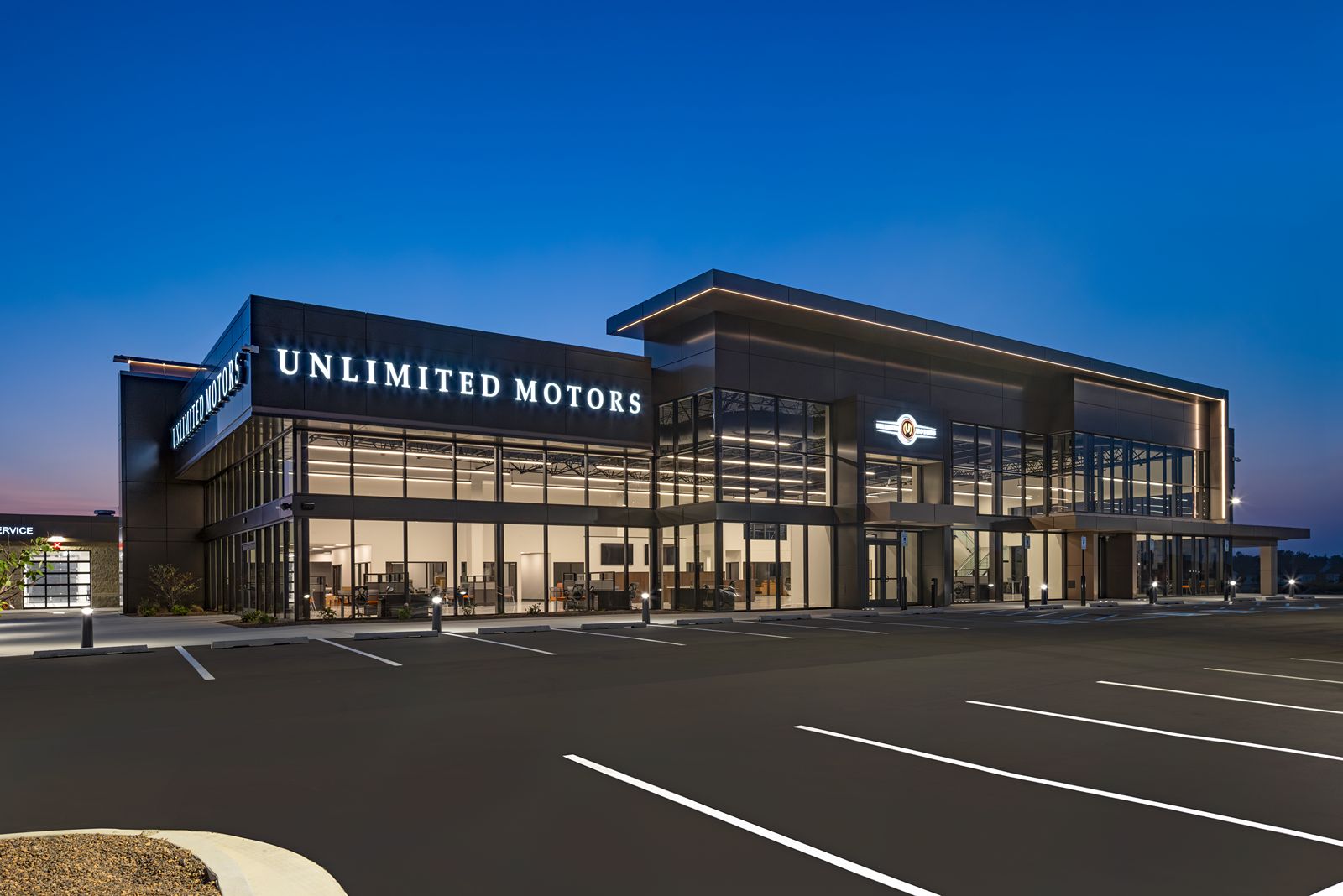
Auto Dealership Roofing
Commercial roofing for auto dealerships, car lots, service centers, and automotive facilities throughout Orlando, FL.
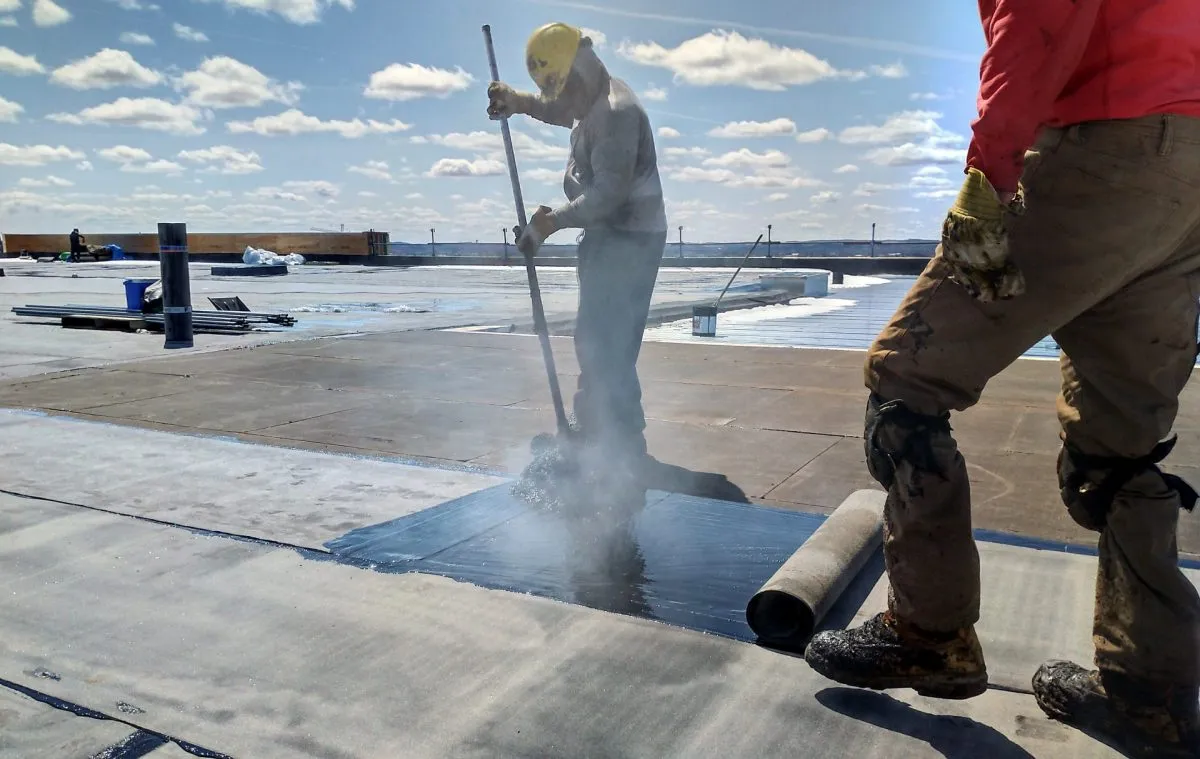
Built Up Roofing
BUR assessment, targeted repair, recover, and replacement for aging Orlando commercial buildings — honest recover-vs-replace guidance with moisture...
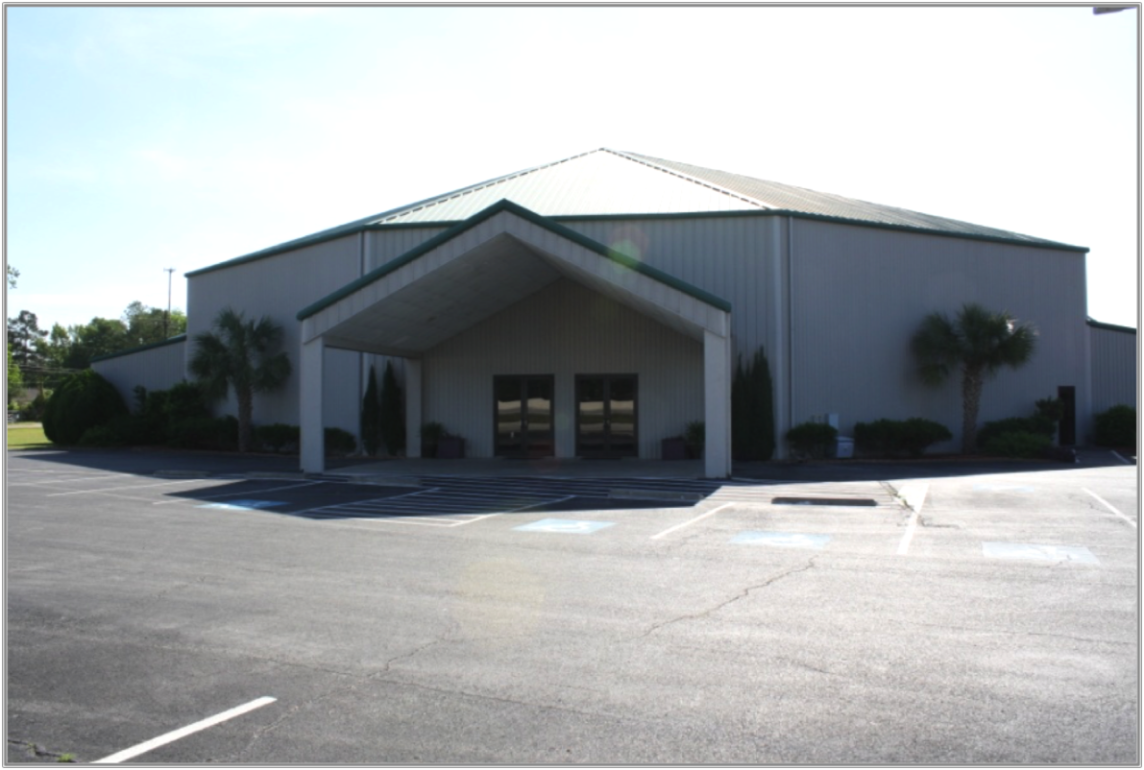
Church and Religious Building Roofing
Commercial roofing for churches, worship centers, and religious facilities throughout Orlando, FL.