
Emergency Roof Repair
Every emergency call produces a photo log from first arrival. We document the roof condition before we touch anything — the pre-intervention state is the most important evidence for an insurance claim, a warranty dispute, or a facility record. An emergency crew that shows up and starts patching without documenting the before-state is doing the building owner a disservice, regardless of how fast the leak stops.
What Emergency Response Looks Like in the Orlando Market
Response tiers by geography: Downtown Orlando and Uptown buildings — including the office towers around Lake Eola, the College Park medical office cluster, and SODO — get crew on-site within 4 business hours of the call during business hours, or within 2 hours for buildings on our maintenance contracts. The Tourist Corridor on International Drive, Sand Lake Road, and Universal Boulevard gets same-day response. The Lake Nona Medical City campus, the KPMG Lakehouse, and the Verizon Connect headquarters — all approximately 20 minutes from our office — get 4-hour response. OIA airport-adjacent industrial buildings and the Florida Turnpike distribution corridor get same-day to next-morning response.
After a named storm — Hurricane Charley (2004) tracked directly over Orlando, Irma (2017) ran the length of the peninsula, Ian (2022) pushed its northeast quadrant through Central Florida — we prioritize by building type and life-safety need. Active hospital buildings in Lake Nona Medical City, occupied hotels on International Drive, and active office buildings in the Downtown core get first dispatch. Vacant or storage-use buildings are second-tier. We are honest about this triage in post-storm periods because we cannot be everywhere at once.
Temporary dry-in scope: We install tarps or temporary roofing materials sufficient to stop active water intrusion, document every repair point with a photo and GPS coordinate, and leave the crew supervisor's phone number with the facility manager for follow-up if the temporary repair is disturbed. Temporary repairs are not permanent — we provide a written estimate for the permanent repair scope the same day or next business day.
Hurricane and Major Storm Response in Central Florida
Central Florida's hurricane history shapes how we prepare and respond. Hurricane Charley (2004) made landfall at Category 4 near Port Charlotte and weakened to Category 1 as it crossed Orlando — still producing 105 mph winds at OIA and generating significant roof damage across Orange and Osceola counties. Charley was notable for its narrow track and rapid forward speed, which meant damage was concentrated in a corridor rather than spread across the region. The bulk of post-Charley commercial roof failures were edge-metal blow-offs and perimeter membrane separation, not catastrophic full-system failures.
Hurricane Irma (2017) was the opposite pattern — a wide, slow system that ran the full length of Florida and produced sustained 80 mph gusts across Orlando for 6-8 hours. The extended duration loaded roofs that would have survived a shorter event. Irma failures were more evenly distributed across roof zones — we saw failures in field zones from sustained uplift, not just at perimeter edges. The Lake Apopka and Wekiva-basin communities on the northwest side of Orange County, more exposed to open terrain fetch from the southwest, took heavier impact than the downtown core.
Hurricane Ian (2022) made landfall at Fort Myers as Category 4 and moved northeast, pushing its storm surge and rainfall into the Kissimmee Valley and its wind field through Central Florida. Lake Nona and the southern I-4 corridor saw 60-70 mph gusts and 8-10 inches of rainfall. Disney Springs and Lake Buena Vista hotels on the south side of Orlando saw similar conditions. The rainfall-driven failures we documented after Ian were mostly drain-overload and ponding events — roofs with marginal drainage that could handle a normal summer storm were overwhelmed by 8 inches in 12 hours.
Insurance Documentation for Emergency Repairs
Florida's commercial property insurance environment requires that emergency repair documentation distinguish pre-existing deterioration from storm-related damage. An adjuster who sees a patch on a roof without a before-state photo cannot tell whether the damage was caused by the storm or existed beforehand. We provide the before-state photo log on every emergency response, whether the call comes in post-storm or mid-week with no storm context.
For post-hurricane response, we prepare a written damage narrative that identifies each damage point, describes the observed mechanism (membrane blow-off, flashing separation, drain failure, water intrusion), and distinguishes what appears to be storm-related from what appears to be pre-existing. We note when we are uncertain and when further investigation is required. We do not make insurance coverage determinations — that is the adjuster's role. We provide defensible facts.
We understand the FBC 50% rule for storm-damaged buildings — under Florida Building Code, a structure that sustains damage to more than 50% of its value may trigger substantial improvement requirements, which can affect the scope and permit pathway for post-storm repairs. We flag this threshold when the damage assessment indicates it may be relevant and coordinate with the building owner's structural engineer and contractor if required.
What is your emergency response time for an active leak on International Drive?
International Drive and the Tourist Corridor get same-day crew response during business hours. For buildings on our maintenance contracts, emergency dry-in response is 4 business hours or less. After-hours and weekend response is available for critical life-safety buildings — hotels with occupied rooms, hospitals, and active food-service buildings.
Do you respond after hurricanes? What is the triage order?
Yes. We pre-position emergency materials before named storms make landfall when we have advance notice. After the storm clears, we triage by life-safety priority — occupied hospitals and hotels first, then office and retail, then industrial and vacant. We are honest that post-storm periods create high demand and we cannot be everywhere in the first 48 hours. Buildings on our maintenance contracts receive priority dispatch.
Does the emergency dry-in documentation support an insurance claim?
Yes. We document the roof condition at first arrival — before any intervention — with a photo log keyed to a zone diagram. This before-state documentation is the foundation of an insurance claim because it captures what the storm caused versus what was pre-existing. We provide a written damage narrative with every emergency response that an adjuster can work from directly.
Can you board up or tarp a large commercial roof after a hurricane?
We handle temporary dry-in on commercial flat roofs using tarps, temporary roof cement, and emergency flashing materials. Our temporary-protection work is scoped for industrial, commercial, and multifamily low-slope and flat roofs. For large-scale flat-roof temporary protection after a major storm, we can deploy multiple crews simultaneously on the same property.
Active storm damage or emergency leak on an Orlando commercial building?
Call 407-214-4630 now. Our crews carry emergency dry-in materials and a camera — we document before we touch and we stabilize the building before we leave.
Keep comparing the scope.
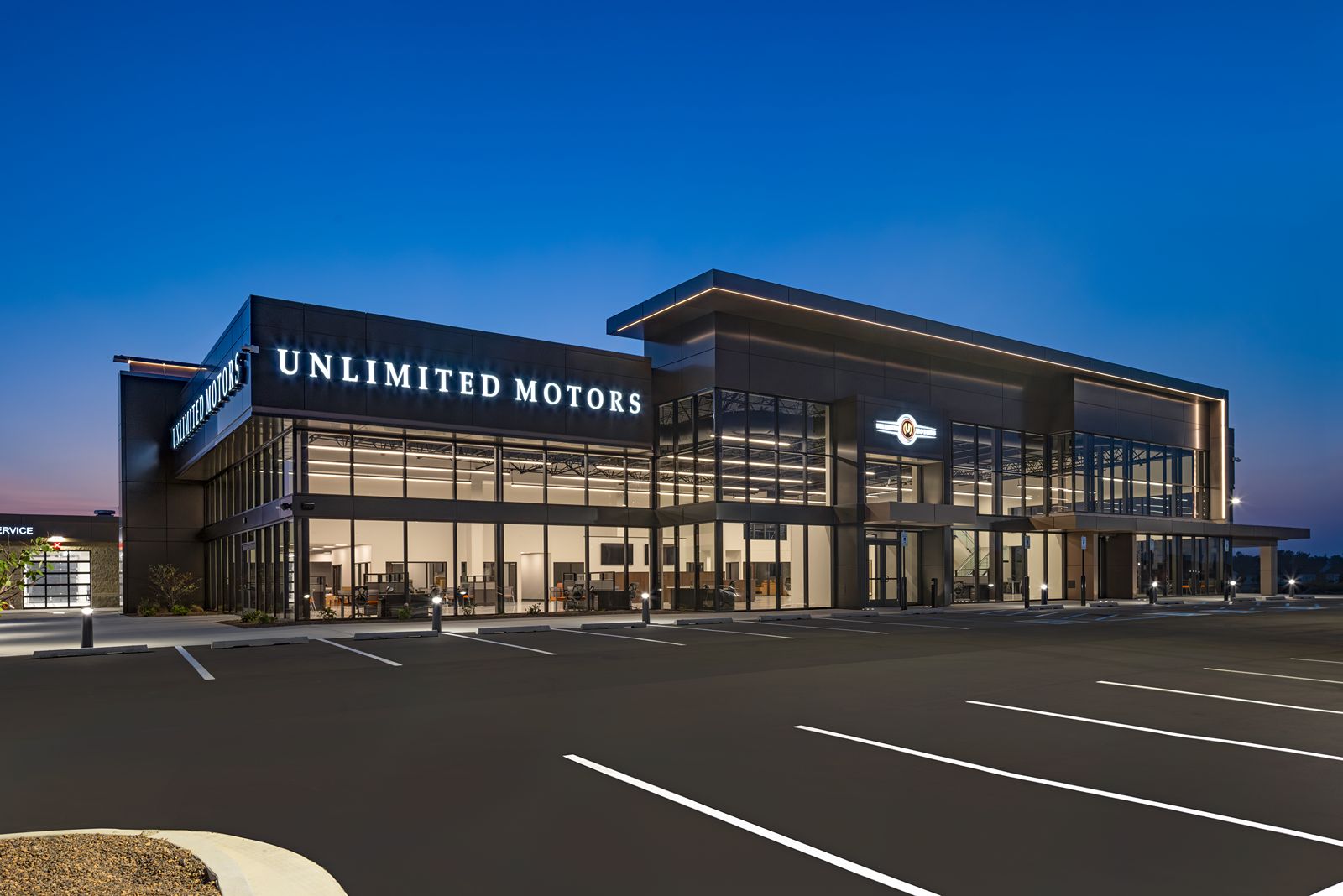
Auto Dealership Roofing
Commercial roofing for auto dealerships, car lots, service centers, and automotive facilities throughout Orlando, FL.
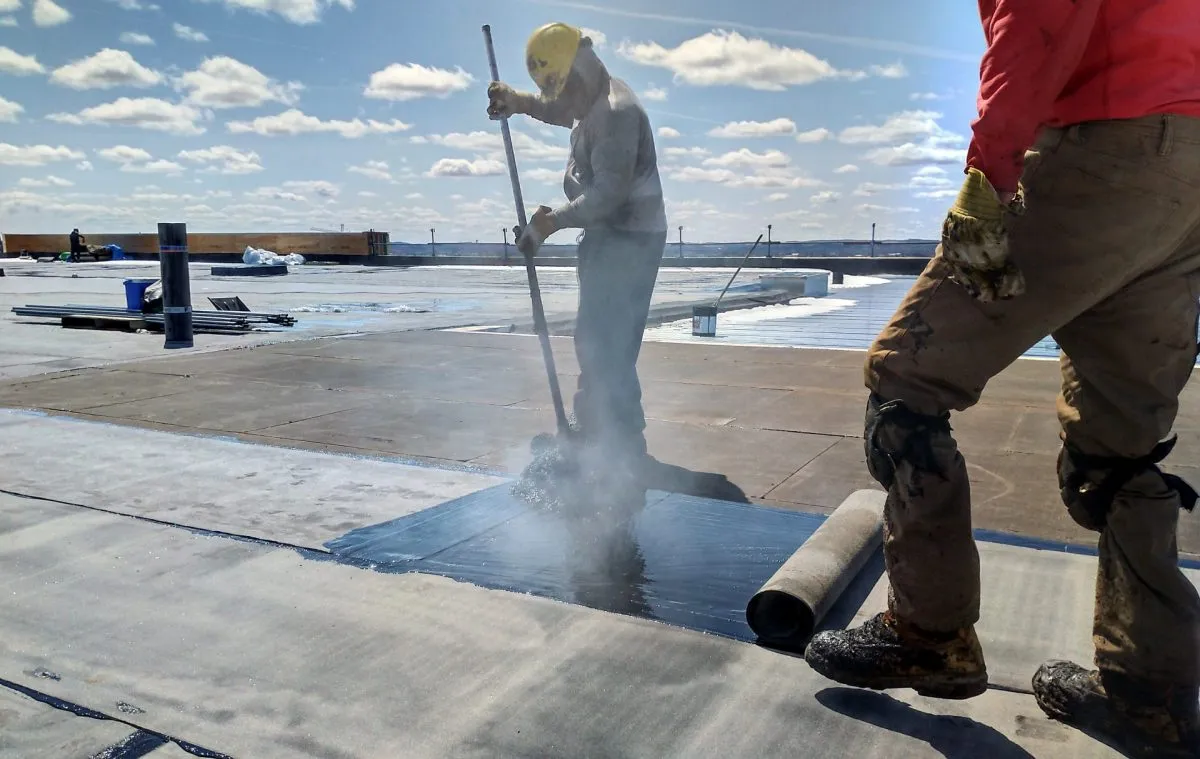
Built Up Roofing
BUR assessment, targeted repair, recover, and replacement for aging Orlando commercial buildings — honest recover-vs-replace guidance with moisture...
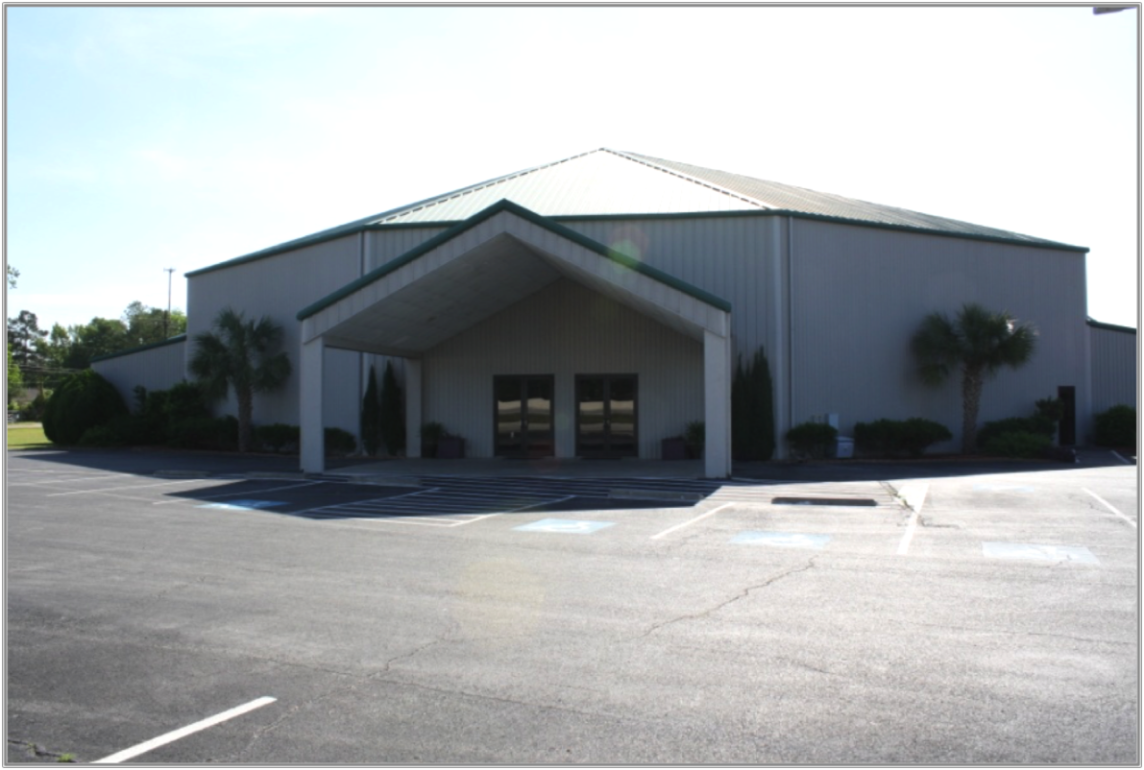
Church and Religious Building Roofing
Commercial roofing for churches, worship centers, and religious facilities throughout Orlando, FL.