
Parapet Wall Repair
Service
The parapet wall is where the roof meets the exterior wall — and in Orlando's commercial building stock, it is one of the most consistent leak sources. Cap flashing failures, masonry cracks from karst settlement, and deteriorated coping joints admit water that travels down the wall cavity and into the roof assembly in ways that are slow to diagnose and expensive to ignore.
Parapet walls in the Orlando commercial building stock run from aluminum coping on newer curtain-wall construction to concrete masonry unit parapets from the 1970s and 1980s on the Downtown and South Orange Avenue corridors. Each type has characteristic failure modes, and each failure mode has a different repair approach.
The cap flashing at the top of a parapet wall — whether it is aluminum coping, a sheet-metal cap with cleats, or a modified bitumen cap sheet — is the outermost line of defense against water entry into the wall cavity. When it fails, water enters the wall from the top, saturates the CMU cores or the cavity insulation, and eventually reaches the roof-to-wall flashing joint at the base of the parapet where it infiltrates the roof assembly. By the time that infiltration produces a ceiling stain, the water has traveled through the parapet wall and the roof membrane, and the path back to the source is not obvious.
Common Parapet Failure Modes in Orlando
Cap flashing separation: On older buildings with sheet-metal cap flashings secured by cleats, the cleats work loose over thermal-cycle years and the cap lifts, allowing water under the cap at seam locations. On buildings with modified bitumen cap sheet, UV and thermal cycling eventually checks the surface and opens cracks at seam laps. On buildings with aluminum coping, the coping joint sealant dries and cracks, and the lap joints between coping sections open. Each of these conditions produces water entry at the parapet top that travels down to the roof assembly.
Karst-related masonry cracking: We see diagonal crack patterns in CMU parapet walls on Downtown Orlando buildings, particularly in the blocks east of Orange Avenue where the underlying limestone formation has documented minor subsidence history. These cracks are structural in origin — the parapet has experienced differential settlement relative to the building slab. The cracks themselves admit water, but more importantly, they indicate ongoing movement that will reopen any sealant-only repair. We document these conditions in writing and recommend waterproofing approaches that accommodate movement — elastomeric coatings with sufficient elongation to bridge active cracks, not rigid sealants that will crack again in the same location.
Base flashing failures at the roof-to-parapet joint: The base flashing where the roof membrane turns up the face of the parapet and terminates under the cap flashing is a critical detail. In Florida Building Code-compliant installations, the base flashing runs up the parapet face a minimum of eight inches, terminates in a reglet or under the cap flashing, and is sealed at the termination. When that termination fails — either because the reglet has filled with debris and pushed the flashing out, or because the sealant at the termination has dried and cracked — water enters at the termination point and travels under the base flashing to the roof membrane lap. This is one of the most common sources of wall-adjacent leaks in older Orlando commercial buildings.
Our Repair Approach for Orlando Parapet Conditions
Cap flashing replacement: We replace cap flashing to FBC-compliant detail — aluminum coping with concealed fasteners and sealant at joints for low-profile applications, sheet-metal cap with cleats and standing seam for high-profile applications, or modified bitumen cap sheet for buildings where the parapet is wide enough to accommodate a roofing-grade cap. The detail selection is driven by the parapet geometry, the building's wind exposure category, and the manufacturer warranty path for the base membrane below.
Masonry crack repair and waterproofing: For active-crack CMU parapet walls, we combine crack routing and sealing with a high-elongation elastomeric waterproofing coating applied over the full parapet face. The coating bridges minor future movement at the crack locations and provides a uniform waterproofing layer over the full parapet face. For cracks that indicate structural movement beyond normal karst settlement — cracks wider than 1/4 inch at any point, cracks with measurable offset between the two faces — we recommend structural assessment before waterproofing, and we flag those conditions in our written inspection report.
Base flashing repair and reglet clearance: We repair base flashing terminations with either new reglet installation or with manufacturer-approved counter flashing that laps over the base flashing termination. We clear debris from existing reglets and reseal with a Florida-approved sealant rated for high-UV exposure. We do not use standard silicone at parapet terminations in the Orlando market — standard silicone does not maintain adhesion to aluminum reglet extrusion at the surface temperatures a south-facing parapet reaches in a Florida summer.
Parapet Work in the Context of FBC Wind Uplift
Florida Building Code Chapter 15 requires parapet edge metal and cap flashing to be designed and fastened to resist the same wind pressures as the roof field membrane in the perimeter zone. A parapet cap that is only gravity-retained or secured with inadequate fastener spacing will fail under hurricane-range wind loads — and the failure is typically a single cap section lifting and pulling the adjacent section with it, exposing the top of the parapet wall and the base flashing termination below.
Every parapet repair we do specifies the cap flashing fastener pattern against the FBC perimeter zone design pressure for the building's exposure category. For a typical 30-foot commercial building in Orange County, that design pressure is in the range of -50 to -90 psf in the perimeter zone — significantly more aggressive than what an uncalculated fastener pattern would provide.
After Hurricane Irma (2017) and Hurricane Ian (2022), we documented parapet cap failures on Downtown Orlando and International Drive buildings where the cap had been recently installed but without FBC-compliant fastening. Those failures were entirely preventable. FBC-compliant fastening of parapet cap flashing is not optional in this market.
How do I know if my building's parapet wall is the source of a roof leak?
Parapet-source leaks typically present as stains on the interior wall near the top of the building or at the ceiling near the perimeter — not in the field of the ceiling away from the walls. If the stain is at a wall-to-ceiling junction, the parapet or the base flashing at the parapet is the most likely source. We trace the water path during our diagnostic walk, starting at the parapet cap and working down.
Can you repair parapet walls while the building is occupied?
Most parapet repair work is conducted entirely from the roof level and does not require access to or through occupied spaces. Masonry crack injection or waterproofing from the exterior wall face may require a lift from the parking lot on buildings where roof-level access to the exterior parapet face is not possible. We coordinate parking lot access and staging with property management before the project starts.
Is parapet masonry cracking in Orlando always a structural concern?
Not always. Hairline shrinkage cracks in CMU mortar joints are common and typically not structural. Diagonal cracks through CMU blocks, cracks wider than 1/8 inch, or cracks with visible vertical or horizontal offset between the crack faces are more significant and warrant a structural engineer's assessment before we apply a cosmetic repair. We document crack characteristics — width, orientation, and offset — in our inspection report so the owner can make an informed decision about whether to engage a structural engineer.
Does parapet repair work require a building permit in Orange County?
Repair of cap flashing and waterproofing at the parapet level generally falls under the roofing permit for the associated roof repair or replacement project. Structural repair of CMU parapet walls — crack stitching, masonry replacement, reinforcing — may require a separate structural permit. We identify permit requirements in the written scope before the project starts.
Parapet wall leaking or showing cracks on your Orlando building?
We walk the parapet, document the failure mode in writing, and produce a repair scope with FBC-compliant details — not a sealant-over-the-crack approach that will reopen before the next rainy season.
Keep comparing the scope.
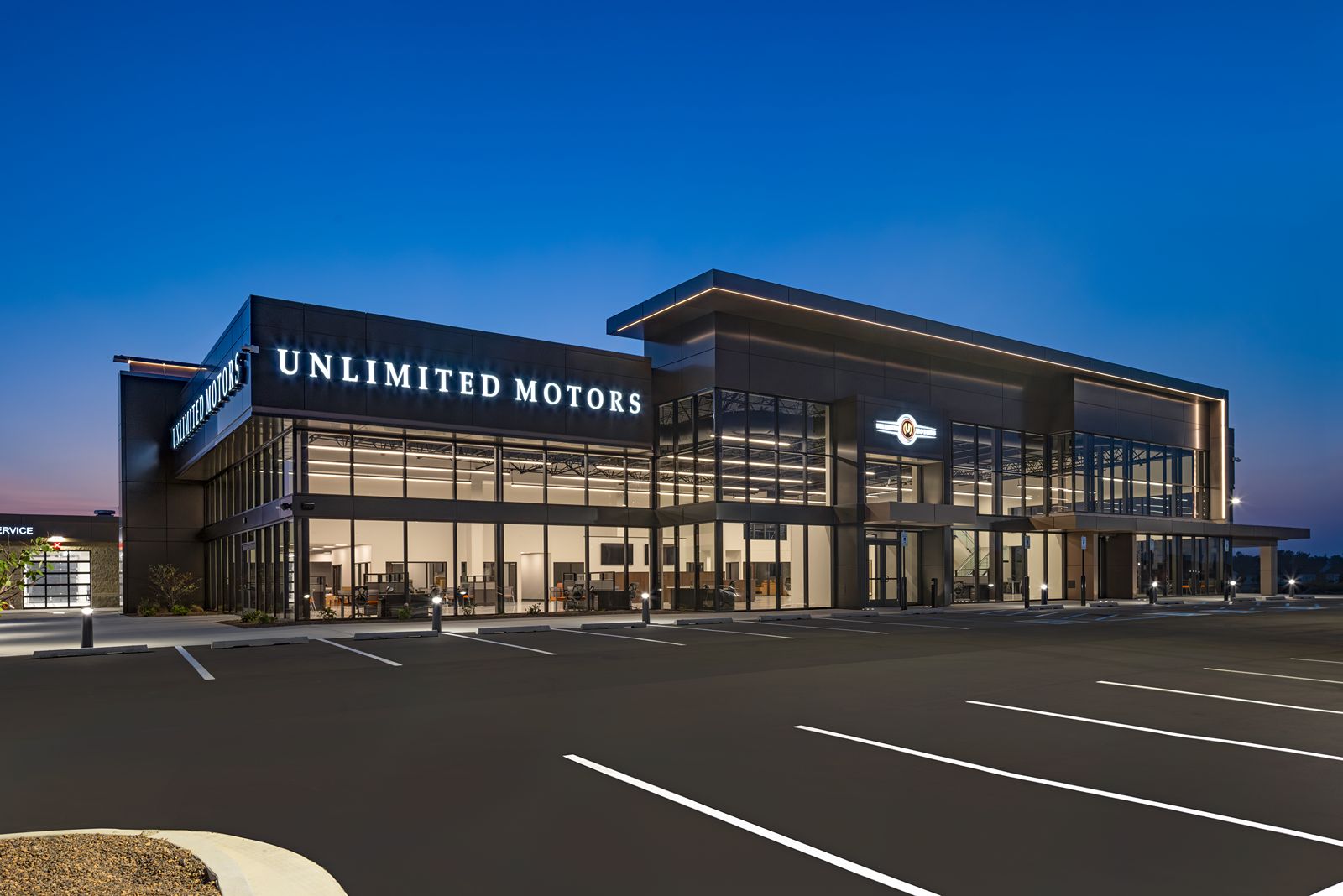
Auto Dealership Roofing
Commercial roofing for auto dealerships, car lots, service centers, and automotive facilities throughout Orlando, FL.
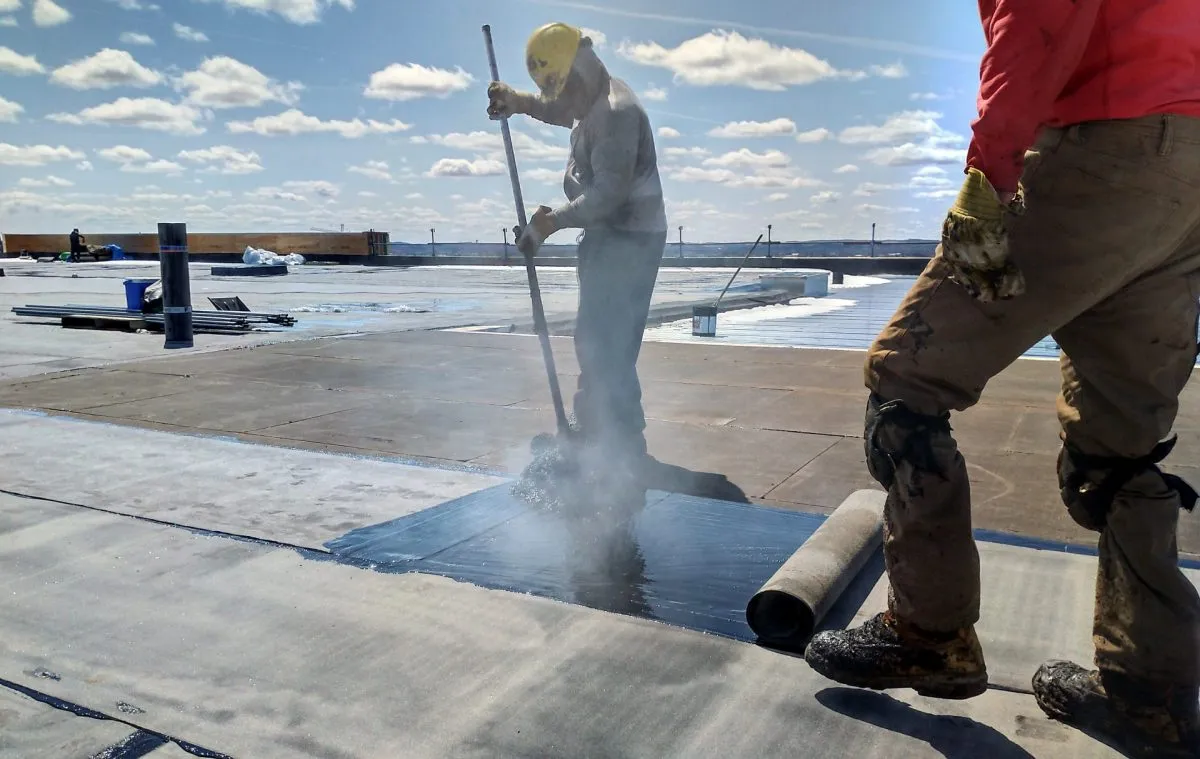
Built Up Roofing
BUR assessment, targeted repair, recover, and replacement for aging Orlando commercial buildings — honest recover-vs-replace guidance with moisture...
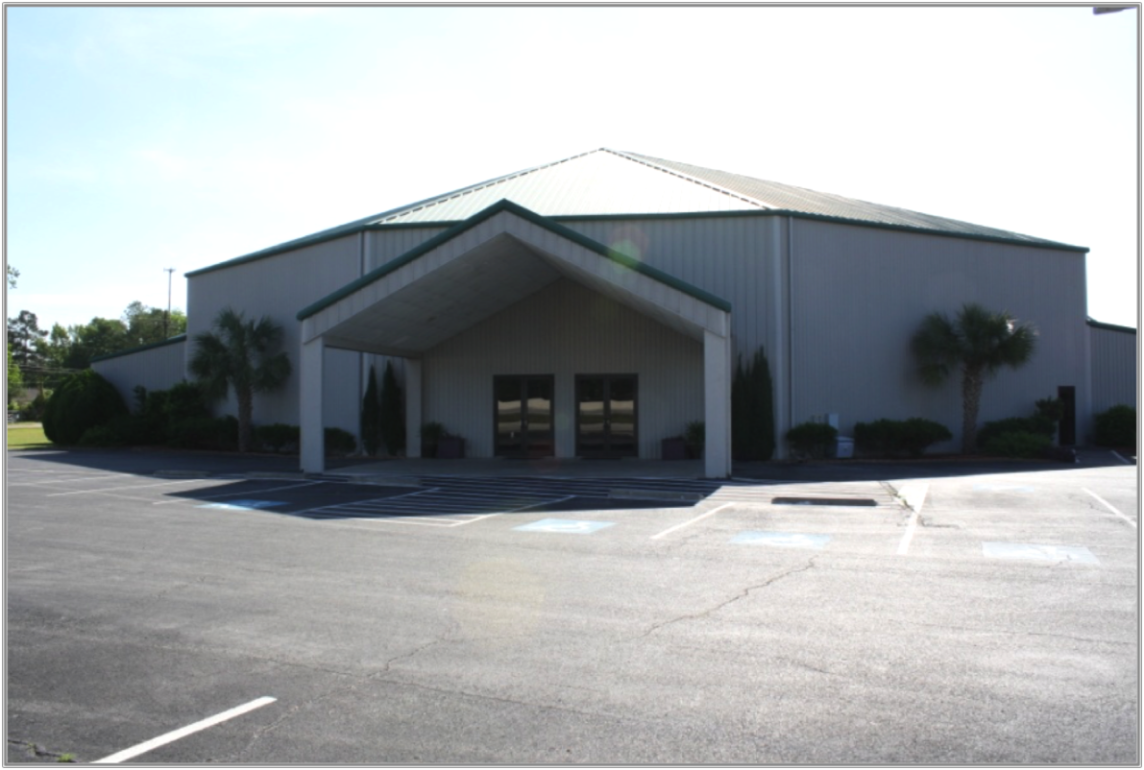
Church and Religious Building Roofing
Commercial roofing for churches, worship centers, and religious facilities throughout Orlando, FL.