
Roof Asset Management Program
Service
Managing a commercial portfolio in Central Florida means managing dozens of roof assets at different lifecycle stages — Lake Nona Medical City buildings still under warranty, International Drive hotel properties approaching second-cycle reroof, SODO industrial buildings with deferred maintenance. Our asset management program gives you condition data, capital horizon estimates, and maintenance coordination across the full portfolio on a recurring cadence.
Reactive roofing is expensive roofing — and in Orlando it is more expensive than in most U.S. markets. Hurricane season creates roof emergency windows where emergency repair pricing runs 30-60% above planned-cycle work. Post-storm contractor availability in Central Florida after a major event compresses further — the market for emergency commercial roofing services after Irma and Ian showed repair costs 40-50% above planned project pricing for owners who had not prioritized their buildings in advance. For a property manager with five buildings, a reactive approach is an occasional bad month. For one with twenty or fifty, it is a recurring budget problem.
Our roof asset management program replaces reactive with planned. We inspect every building in the portfolio on a recurring schedule — annual for buildings in the last five years of expected service life, biennial for mid-life buildings, triennial for recently replaced or new construction — document condition data consistently across all buildings, track condition trends over time, and produce the capital horizon estimates that let ownership plan replacements on a five to ten year forward schedule rather than a sixty-day emergency timeline.
What We Inspect and Document on Each Visit
Every inspection visit produces a structured condition record that becomes part of the building's permanent roof asset file. Field inspection covers: membrane condition across field, flashings, seams, and penetrations; drainage performance including drain bowl condition, scupper condition, and any active ponding zones identified by drainage pattern evidence; rooftop equipment condition including curb flashings, equipment curb condition, and foot traffic damage from maintenance access; and parapet and wall flashing condition, expansion joint condition, and any evidence of karst-related building movement at perimeter details.
Every item is rated on a consistent condition scale and photographed at its location on the building's roof zone diagram. On portfolio accounts running ten or more Central Florida buildings — hotel brands on the Tourist Corridor, medical office portfolios along the SR-408 corridor, industrial portfolios in the airport and Turnpike distribution zones — we use a standardized data capture template so condition records are directly comparable across buildings and across inspection years. A portfolio owner with properties in Lake Nona, SODO, and International Drive can compare their assets on a common scale, not three different inspection formats from three different service providers.
Post-inspection reporting is delivered within five business days of the site visit: the updated condition record, all photos keyed to the zone diagram, deficiencies organized by priority (Critical — repair within 30 days / Significant — repair within 90 days / Watch — monitor at next inspection), and the updated remaining-life estimate for each roof zone. Critical deficiencies go to the building contact by phone the day of inspection — we do not wait five days to inform an owner that a drain is completely blocked or a flashing has separated.
Capital Horizon Planning — 5 and 10-Year Windows
Once we have two or more years of condition data on a building, the asset file supports capital horizon planning. Condition trend data combined with manufacturer service life and the building's current condition rating produces a projected replacement window — not a pinpoint date, but a two-to-three-year range that ownership can plan capital budgets against. For portfolio owners managing multiple asset classes in Central Florida, this window is the number that goes into the annual capital budget review, not a contractor's bid.
We produce a five-year and ten-year capital schedule that shows every building in the portfolio, its current condition rating, its projected replacement window, and a rough capital estimate in current-year dollars with an explicit construction cost escalation assumption. The five-year forecast is tight enough for capital reserve planning and lender presentations. The ten-year forecast supports ownership groups that hold assets long-term and want to understand the lifecycle picture — we show the uncertainty range explicitly in the outer years rather than presenting false precision.
We update the capital schedule annually as inspection data comes in. A building that degrades faster than projected moves earlier on the capital schedule. A building that holds condition longer moves later. The owner's capital plan reflects what the roofs are actually doing, not what we modeled two years ago from a single inspection visit.
Manufacturer Warranty Coordination and Emergency Response
For Orlando portfolio owners with buildings at multiple warranty ages and terms, tracking which building's warranty requires what maintenance in which year is an administrative task that falls through the cracks in reactive management programs. We manage that calendar and alert the building's facility contact when a warranty maintenance visit is due — and we produce the maintenance record in the format the manufacturer's warranty desk requires, not a generic invoice.
Emergency response for portfolio accounts: buildings on our asset management program get priority scheduling when a leak event occurs. Our average response time to portfolio-account emergency calls is under four business hours for buildings in the Downtown Orlando, Uptown, and SODO inner core, same-day for International Drive and the I-4 corridor between Maitland and Kissimmee, and next-business-day for Lake Nona, Sanford, and outer-ring Orange County locations. After-hours response is available for buildings on our active program for critical facilities — hospitals, data centers, and active hotel properties during peak occupancy.
What is the minimum portfolio size for your program in Central Florida?
We take portfolio accounts starting at three buildings in the Orlando metro area. Below three buildings, the economics of a structured recurring program are difficult to justify against per-project inspection fees — we would tell you that honestly and suggest inspection-on-request instead. For ten or more buildings, the program delivers the most value: standardized condition data across the portfolio, meaningful trend analysis year over year, and defensible capital planning documentation that ownership, lenders, and institutional investors can rely on.
Do you manage roofs you did not install?
Yes. We inspect and asset-manage roofs regardless of who installed them. We document the existing system, request the original warranty from the prior contractor or manufacturer — we assist in locating it if the owner does not have it — and integrate it into the asset record. If a building has no warranty documentation at all, which is common on acquisitions of older Central Florida properties, we establish an as-found condition baseline and a forward maintenance and capital plan from that baseline.
How does hurricane season affect the program schedule?
We schedule annual inspection visits to avoid the peak of hurricane season when possible, though many buildings in active warranty periods require visits on a fixed calendar tied to their warranty terms. For buildings that need inspection during hurricane season, we conduct the field visit and note any storm-related observations. We also offer post-storm rapid assessments for portfolio-account buildings after significant named-storm events — a streamlined inspection protocol that prioritizes identifying storm-related damage documentation within the insurance claim window.
Managing multiple Orlando commercial buildings without systematic roof condition data?
We will audit your portfolio — inspect each building, document condition, and produce a five-year capital horizon estimate — so you are planning on data instead of reacting to emergencies and post-storm pricing.
Keep comparing the scope.
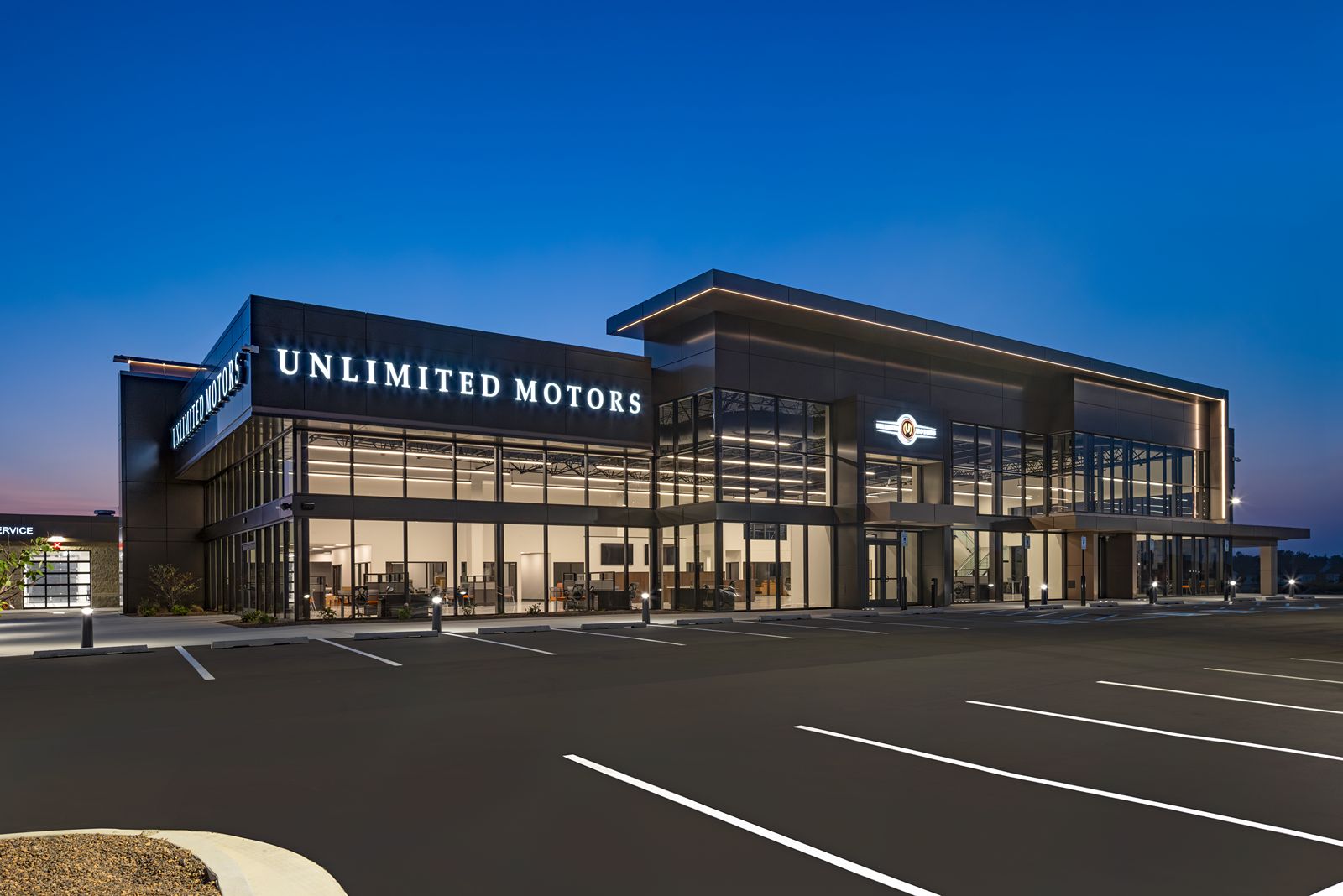
Auto Dealership Roofing
Commercial roofing for auto dealerships, car lots, service centers, and automotive facilities throughout Orlando, FL.
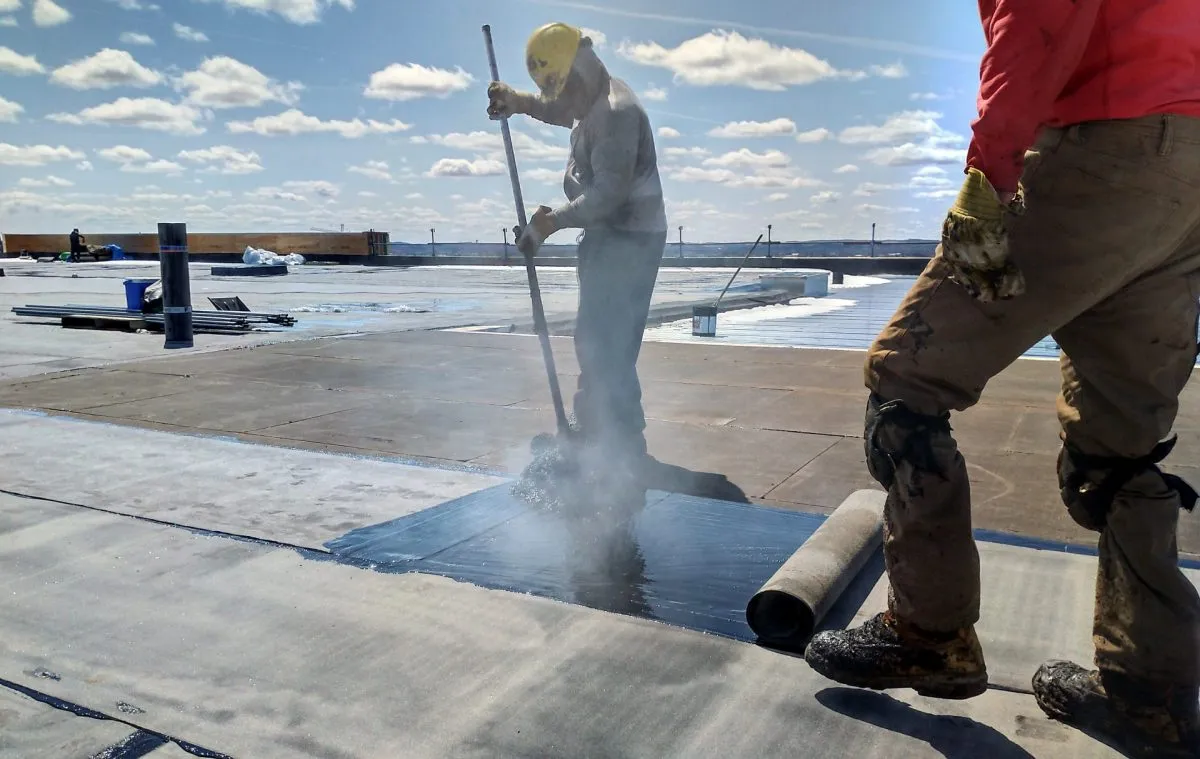
Built Up Roofing
BUR assessment, targeted repair, recover, and replacement for aging Orlando commercial buildings — honest recover-vs-replace guidance with moisture...
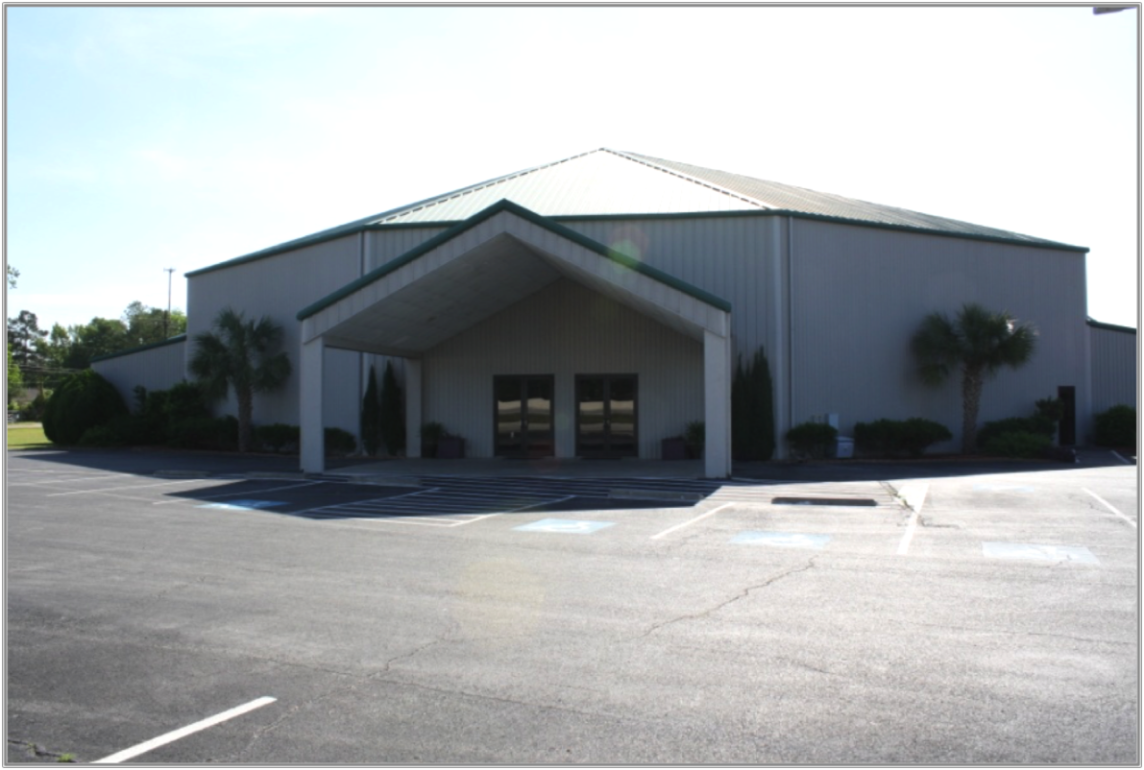
Church and Religious Building Roofing
Commercial roofing for churches, worship centers, and religious facilities throughout Orlando, FL.