
Standing Seam Metal Roofing
Service
Standing seam metal roofing on Orlando commercial buildings carries the longest service life of any roofing system we install — 40-year substrate warranties, Florida Building Code wind-uplift compliance, and a finished look that reads as deliberate architecture rather than afterthought cladding.
Standing seam metal roofing shows up on Orlando commercial projects in two distinct situations. The first is adaptive reuse and ground-up construction where the building's design intent calls for exposed metal panels — the mixed-use projects filling in along Mills Avenue and the Milk District, the adaptive restaurant conversions in Audubon Park, and the hotel additions along the International Drive corridor where architects specify metal panels to break the visual monotony of decades of flat-TPO-over-stucco construction. The second is the capital-horizon play: owners of single-tenant industrial buildings on the I-4 East corridor or in the OIA airport industrial parks who know they are holding the asset 40 years and want the lifecycle math to work, not the lowest bid-day number.
We install standing seam in both situations. What we do not do is treat metal roofing as an upsell to a building that does not need it. Standing seam costs more per square foot than TPO or modified bitumen. On a building where the owner's capital horizon is eight years and the budget is fixed, it is not the right recommendation. On a building where the owner will be there in 2060, it is often the correct one.
Galvalume vs. Kynar Painted Finish
Galvalume — a zinc-aluminum alloy coating on steel substrate — is the base durability standard for commercial standing seam. Major manufacturers including Drexel Metals, McElroy, and MBCI ship to Central Florida distributors and carry 40-year substrate warranties on Galvalume panels. In Orlando's climate, Galvalume handles the UV load, the high-humidity salt-carried air from the coasts, and the thermal cycling between summer heat and winter cold snaps without the color degradation that earlier painted finishes showed. If the building does not need a color statement, Galvalume is the honest specification: maximum longevity, lowest installed cost per square, zero repainting maintenance.
Kynar 500 or 70%-PVDF painted finishes add color and architectural flexibility. These finishes appear on most of the Milk District and SODO adaptive reuse projects where the metal is part of the building's visual identity — deep charcoal, warm bronze, and matte earth tones have become common on the corridor conversions. Kynar finishes carry 40-year substrate warranties and 30-year color fade and chalk warranties from most manufacturers. They cost more per square than Galvalume but do not require repainting over the system's service life.
One specification consideration specific to Central Florida: Orlando's heat island and sustained summer UV load are the harshest in the continental U.S. outside of Phoenix and South Florida. On standing seam projects where the building owner wants to qualify for CRRC (Cool Roof Rating Council) solar reflectance ratings that support Florida's energy code Title compliance, we specify the lighter-colored Kynar options that achieve the reflectance thresholds. Buildings near the Tourist Corridor that carry green-building certification requirements from their franchise operator may need CRRC ratings as a permit condition.
Snap-Lock vs. Mechanical Seam — Why Slope Is the Decision
Snap-lock panels interlock at the seam without a powered seaming tool. They install faster, cost less in labor per square, and are the right choice for slopes above 3:12 where gravity aids drainage and the seam does not carry standing-water pressure. On the sloped roof sections of International Drive hospitality buildings — the pitched entry canopies and rear service roof sections that break up the flat-roof profile — snap-lock is the standard specification.
Mechanical seam panels are crimped at 180 or 360 degrees with a powered seaming tool after the panels are set. The locked seam produces a weather barrier that performs reliably at slopes down to 1:12 — the range where most commercial low-slope standing seam applications sit. Any standing seam project on an Orlando commercial building with a roof slope below 3:12 should be mechanically seamed. Installing snap-lock below 3:12 on a building that will face Central Florida's hurricane wind loads and 54 inches of annual rainfall is a specification error. We do not make that error regardless of schedule pressure.
Thermal movement matters more in Florida than in northern standing seam markets because the temperature swing between a July afternoon (roof surface exceeding 160°F on a dark substrate) and a January cold snap (ambient 35°F, surface near 40°F) is more extreme than the calendar suggests. Standing seam panels on a 200-foot building across that temperature range can move 1.5 to 2 inches longitudinally. The clip system — concealed floating clips that attach panels to the structural substrate while allowing movement — is where most Florida standing seam failures originate when they are under-specified. We design clip patterns to the building's actual thermal range, the panel material's published coefficient of expansion, and the manufacturer's allowable movement at each clip.
Florida Building Code Wind-Uplift and Structural Requirements
Central Florida is not in the High Velocity Hurricane Zone (Miami-Dade and Broward counties), but Orange County carries significant FBC wind design pressures that exceed most national standard minimums. A standing seam panel installation on a 30-foot commercial building in Exposure Category C near the I-4/SR-408 interchange must be designed to field zone pressures that rival what many northern-state buildings face in their corner zones. We pull the building's FBC design pressure before specifying any fastener, clip, or attachment detail — not after the system is designed.
Standing seam on structural metal deck, Z-purlin framing, or solid substrate carries different load path requirements depending on panel span. Long-span open-bay buildings — common in the OIA airport industrial corridor on Tradeport Drive and in the Turnpike commerce parks in Osceola County — sometimes need intermediate purlins added to bring panel span within the manufacturer's published load table allowables. We identify this requirement during the structural assessment phase, before the scope is priced.
Insulation under standing seam in Central Florida typically runs rigid polyiso primary with a cover board for UV and impact protection, or fiberglass batt systems in open-framing assemblies. Florida's energy code minimum R-value for low-slope commercial roofs is set in FBC Energy Chapter 13; metal roofing assemblies with open framing have a different compliance path that requires thermal bridging calculations to account for the metal frame's conductivity. We produce the energy code compliance documentation as part of the project closeout package.
How does standing seam perform against Florida hurricane winds?
Standing seam designed and installed to FBC wind-uplift requirements performs well against hurricane-force winds — better than most single-ply systems because the concealed clip attachment method removes the seam from direct wind uplift forces. Hurricane Irma (2017) and Ian (2022) produced documented losses on standing seam roofs that were not installed to FBC standards or that had failed thermal-movement clips. We design every standing seam installation to the building's FBC exposure and design pressure, and the manufacturer's warranty inspection confirms the installation before the warranty is issued.
Can standing seam be installed over an existing flat roof on an Orlando building?
Yes. A retrofit standing seam system over an existing flat roof uses Z-purlin or hat-channel sub-framing installed over the existing membrane to create positive slope and provide attachment points for the panels. The existing flat membrane remains in place as an air and vapor barrier. This approach is common on SODO warehouse conversions and International Drive hospitality buildings where the owner wants to add slope, shed water faster, and extend the roof life without a full tear-off and deck exposure during rainy season.
What is the installed cost range for standing seam on an Orlando commercial building?
Installed cost on an Orlando commercial standing seam project runs roughly $19-30 per square foot depending on panel gauge, finish, seam type, slope complexity, and substrate condition. This is more per square foot than 80-mil TPO, but the 40-year service life versus TPO's 25-30 year service life changes the lifecycle cost per year of service significantly. On buildings with a long capital horizon, standing seam often pencils out at lower total cost over the ownership period.
Scoping a standing seam project on an Orlando commercial building?
Our project managers will walk the roof, assess slope, structural capacity, and FBC wind exposure, and produce a standing seam specification — finish, seam type, insulation stack, warranty path — written to bid against.
Keep comparing the scope.
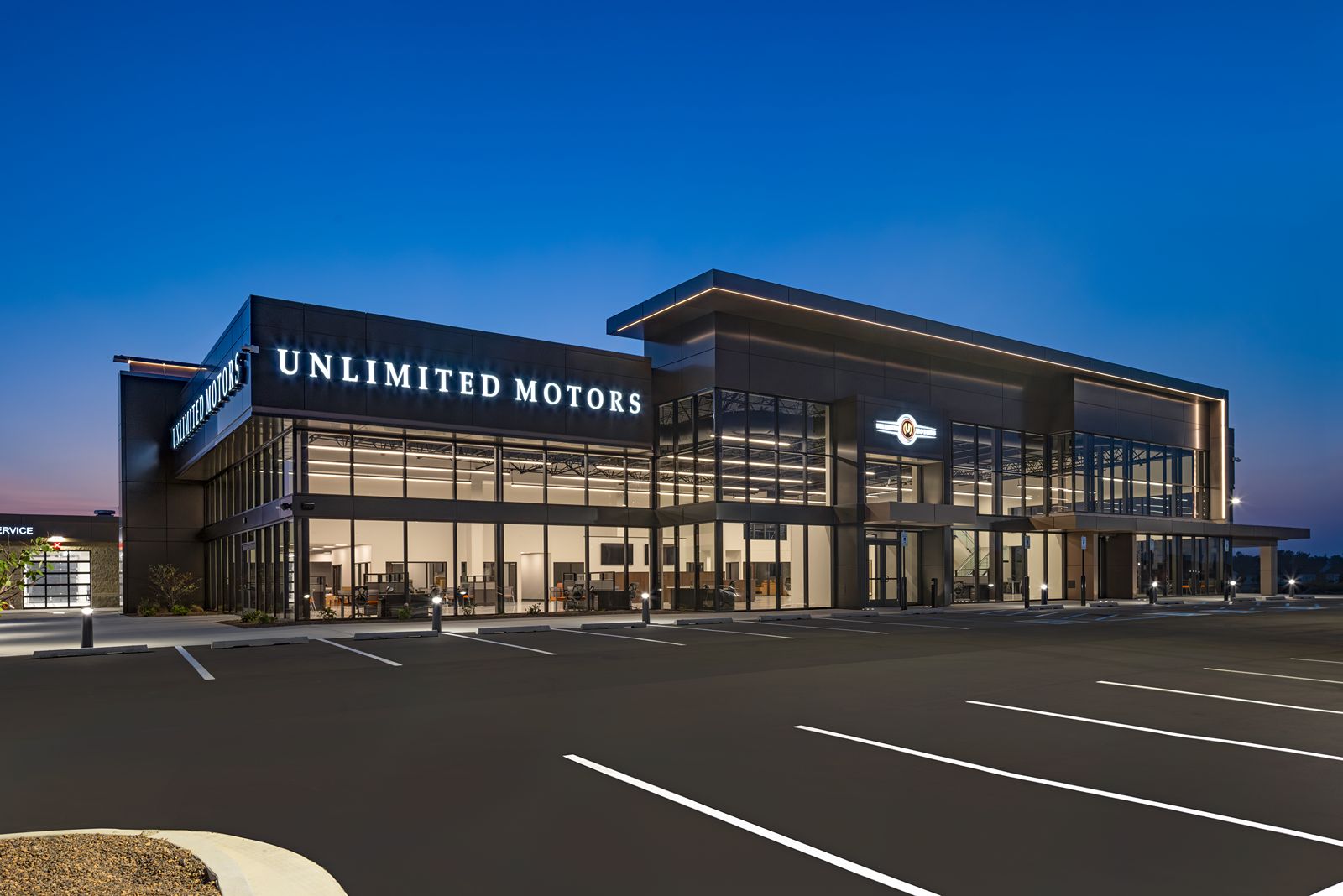
Auto Dealership Roofing
Commercial roofing for auto dealerships, car lots, service centers, and automotive facilities throughout Orlando, FL.
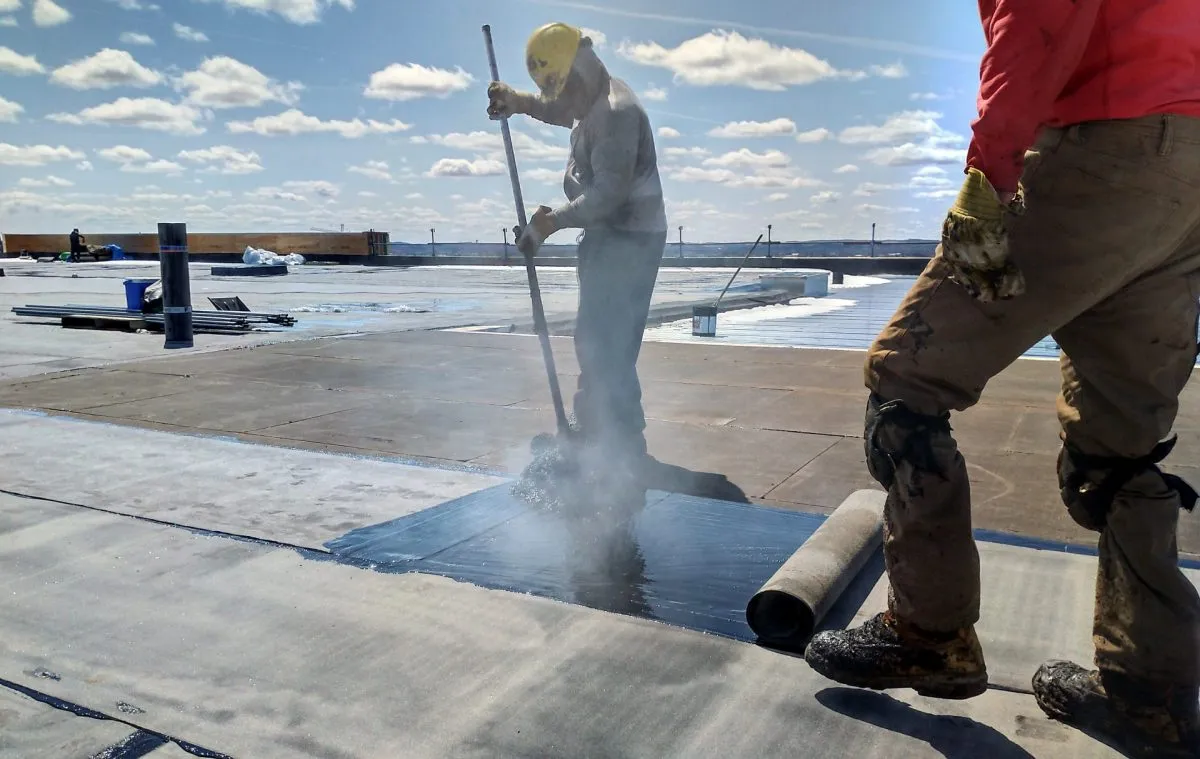
Built Up Roofing
BUR assessment, targeted repair, recover, and replacement for aging Orlando commercial buildings — honest recover-vs-replace guidance with moisture...
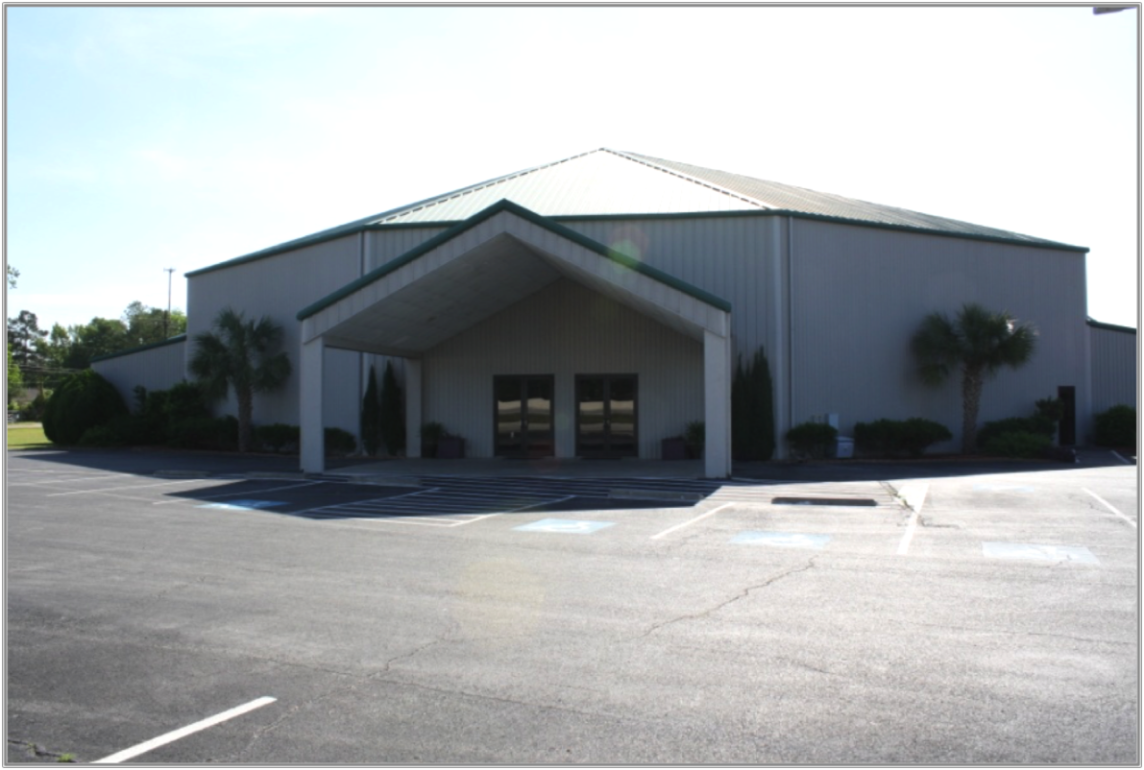
Church and Religious Building Roofing
Commercial roofing for churches, worship centers, and religious facilities throughout Orlando, FL.