
TPO Roofing — Installation, Recover, and Warranty
Service
TPO is the most-installed commercial single-ply membrane in Orlando commercial work. We install 60-mil and 80-mil systems to Florida Building Code wind-uplift requirements with 20-year no-dollar-limit warranty paths.
We install TPO mechanically attached, fully adhered, or ballasted depending on building use, FBC wind exposure, and the manufacturer's design package. Most Orlando commercial TPO work is mechanically attached on tapered polyiso over metal deck — but the fastener pattern in Central Florida is more aggressive than in non-hurricane-exposed markets. FBC prescriptive minimums for perimeter and corner zones on a 30-foot building in Orange County require significantly denser fastening than what a non-FBC national standard would call for.
The combination of high solar loading, frequent afternoon convective rainfall, and hurricane wind exposure makes TPO specification in Orlando different from TPO specification in drier inland markets. We design every TPO project to the building's actual FBC exposure category and design pressure, not to a national minimum that undershoots Florida requirements.
TPO Membrane Thickness — 60-mil vs 80-mil
60-mil TPO is the volume-grade specification for Orlando commercial buildings — adequate for most warehouse, retail, and office buildings with normal foot traffic and standard rooftop equipment. Carries a 20-year manufacturer NDL warranty from every major manufacturer.
80-mil TPO costs more per square but extends warranty life (up to 25 years from some manufacturers), handles higher mechanical-traffic environments, and provides additional puncture resistance. We spec 80-mil for buildings with heavy rooftop HVAC equipment requiring frequent maintenance access, buildings with solar arrays, or owners who want the longer warranty term and lower lifecycle cost. In Orlando's high-foot-traffic hospitality and medical environments, 80-mil is often the right specification.
Florida Building Code Wind-Uplift Requirements
Florida Building Code Chapter 15 and ASCE 7 set design pressures for roofing systems based on the building's height, exposure category, and roof zone (field, perimeter, corner). Orlando falls in FBC Wind Zone II. The design pressure for a typical 30-foot commercial building in Orange County in Exposure C (open terrain, near I-4) runs roughly -30 to -50 psf in the field zone and -50 to -90 psf in the perimeter and corner zones.
Mechanically attached TPO systems have to be designed to We use FM Global or factory mutual pattern design documentation for every warranted TPO installation. The design is submitted to the manufacturer for pre-installation review before the project starts, and the installation is confirmed to the approved design during the manufacturer's warranty inspection at closeout.
Buildings in the High Velocity Hurricane Zone (Miami-Dade and Broward counties) carry even more stringent requirements, including the Miami-Dade NOA (Notice of Acceptance) product approval. Our service area in Central Florida does not fall in HVHZ, but we follow comparable documentation discipline — the FBC permit process in Orange, Osceola, and Seminole counties requires documentation of the product's Florida Product Approval, which we manage on every installation.
Common TPO Failures in the Orlando Climate and How We Prevent Them
Seam failure from UV degradation: Florida's UV load degrades TPO membrane faster than in northern climates. Seams that were marginal at installation become failures within 5 years in Orlando conditions. Our welder operators are factory-trained, we test every seam with a 5-lb test wheel during installation, and we run probe-test on every linear foot of seam before closeout.
Ponding from inadequate drainage design: Orlando's flat terrain and high rainfall mean that a TPO roof with inadequate positive drainage will pond. Ponded water held for more than 48 hours after rainfall voids most manufacturer warranties. We design tapered insulation packages to achieve positive drainage to every drain, and we verify drain flow capacity against the building's square footage during the inspection phase.
Flashing failure at hurricane-exposure details: The FBC requires specific flashing details at parapets, penetrations, and edge metal that are more robust than national standard details. We follow the manufacturer's FBC-approved flashing details and the FBC edge-metal requirements on every installation. Generic details get rejected at permit inspection and at manufacturer warranty inspection.
How does TPO hold up in Florida heat?
Modern 60-mil TPO formulations are engineered for high-UV environments and carry 20-year warranties in Florida conditions. TPO's white or light-colored surface reflects solar radiation and keeps surface temperatures lower than dark membranes — which matters in Orlando where dark roof surfaces can reach 170-180°F in summer. Properly installed and maintained TPO in Central Florida routinely reaches 25-30 year service life.
Can TPO be installed over an existing roof?
Yes, if the existing roof's insulation is dry and the deck is sound. We pull moisture cores during inspection to verify the recover path. Florida's high annual rainfall means insulation saturation is more common than in drier climates — if the existing roof has wet insulation, a recover traps the moisture and voids the new warranty.
Does TPO qualify for Florida wind mitigation insurance credits?
A properly documented TPO installation with FBC-compliant fastening patterns and edge metal can qualify for wind mitigation credits that reduce commercial property insurance premiums. The documentation we provide at closeout — including the fastener pattern design, product approval numbers, and permit final inspection — is what a wind mitigation inspector needs to complete the form. We do not complete wind mitigation reports ourselves, but we provide the documentation that supports one.
Scoping a TPO project for an Orlando building?
We will walk the roof, document existing conditions, pull the building's FBC exposure category, and produce a TPO scope with manufacturer warranty path and installed-cost band.
Keep comparing the scope.
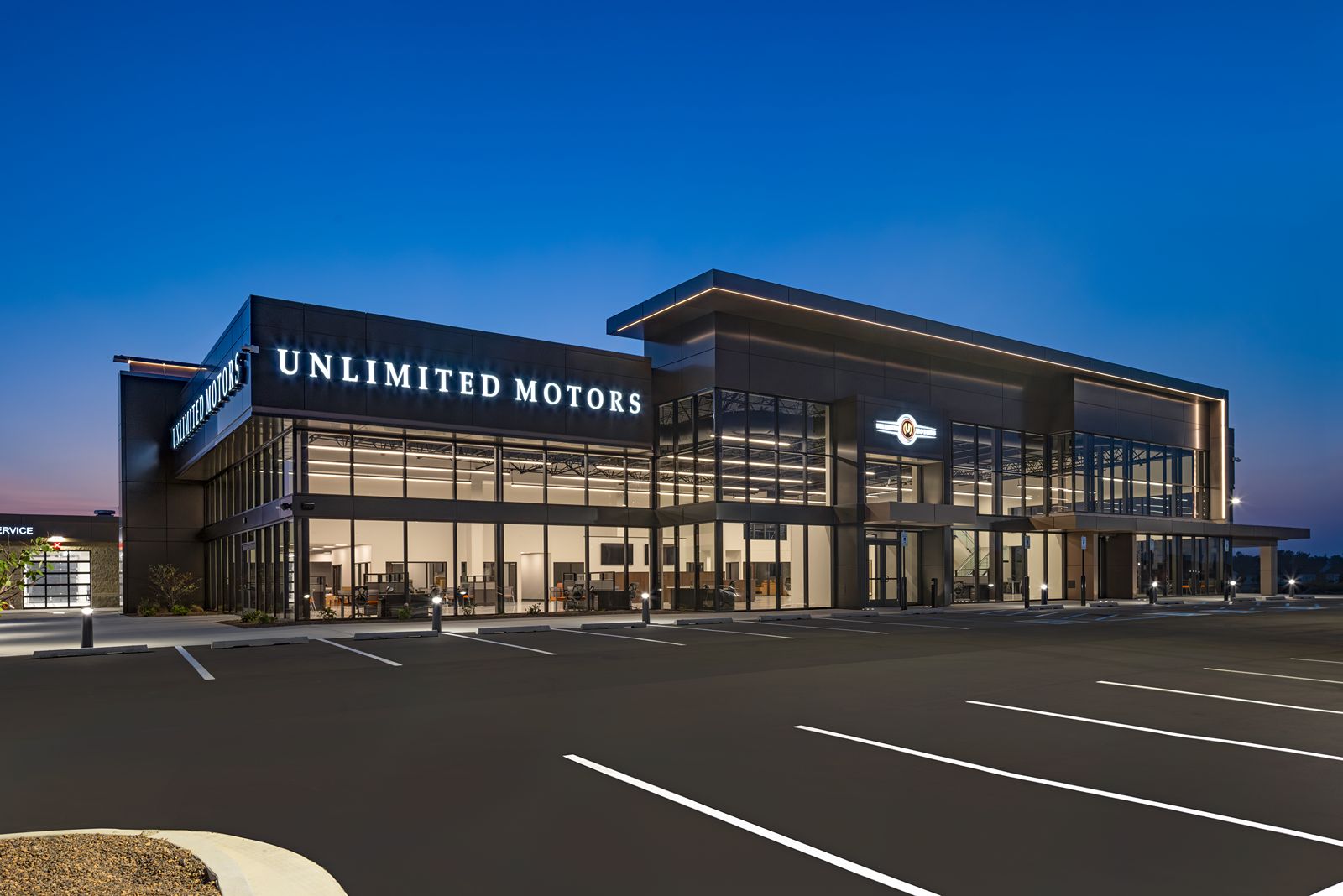
Auto Dealership Roofing
Commercial roofing for auto dealerships, car lots, service centers, and automotive facilities throughout Orlando, FL.
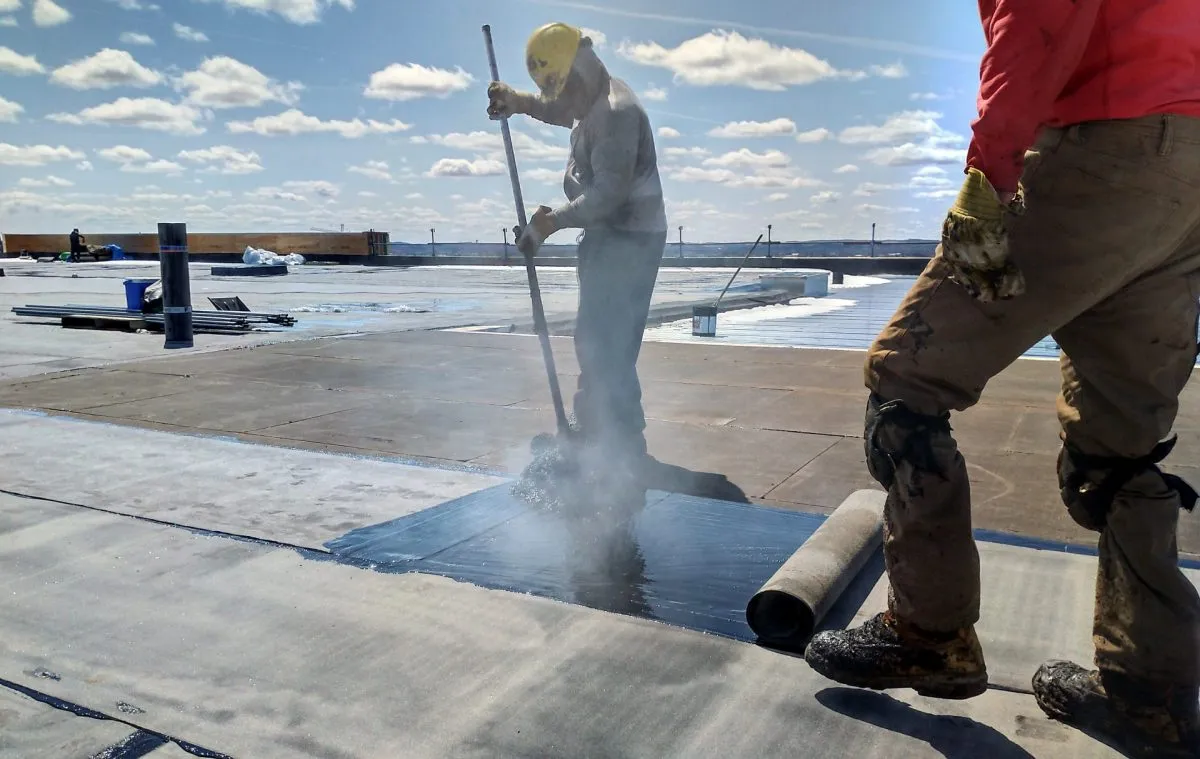
Built Up Roofing
BUR assessment, targeted repair, recover, and replacement for aging Orlando commercial buildings — honest recover-vs-replace guidance with moisture...
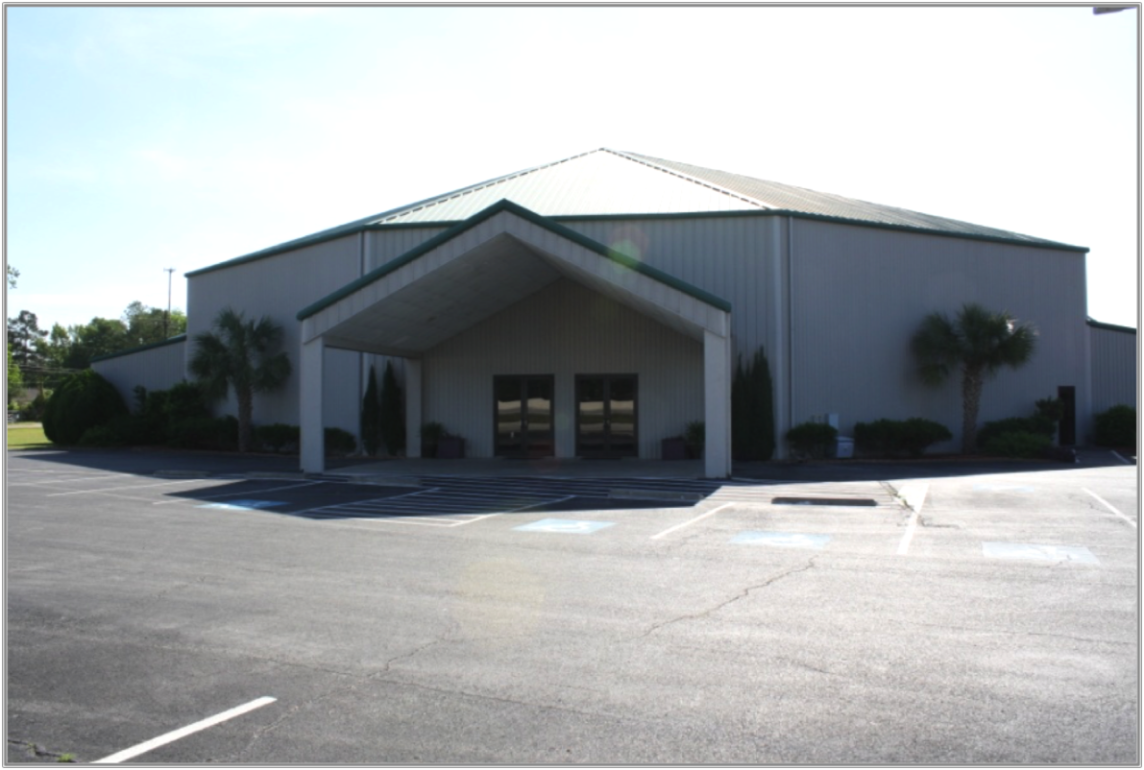
Church and Religious Building Roofing
Commercial roofing for churches, worship centers, and religious facilities throughout Orlando, FL.